High Oleocanthal Olive Oil: What It Is and How to Recognise It
High oleocanthal olive oil is extra virgin olive oil that contains a notable concentration of oleocanthal, a phenolic compound that produces a sharp, peppery sting at the back of the throat. In practice, you recognise it by taste before you read any number: a green aroma, a clean bitterness on the tongue and a pungency that makes you cough once or twice. That cough is not a flaw. It is the signature of a fresh, early-harvest oil that has been pressed and kept with care.
Oleocanthal is not something a label can promise on its own. Its level depends on the cultivar, the ripeness of the olives, the year, the extraction and, above all, how the oil has been stored since. Published analyses report a very wide spread, from under 50 mg/kg to several hundred mg/kg. This guide explains what drives that range, how to judge it with your senses and with documents, and why an opaque vessel matters as much as the grove. It is an editorial guide, drawn from the craft of Val d’Orcia, not a product page.
Oleocanthal and Hydroxytyrosol: Understanding the Phenolic Family
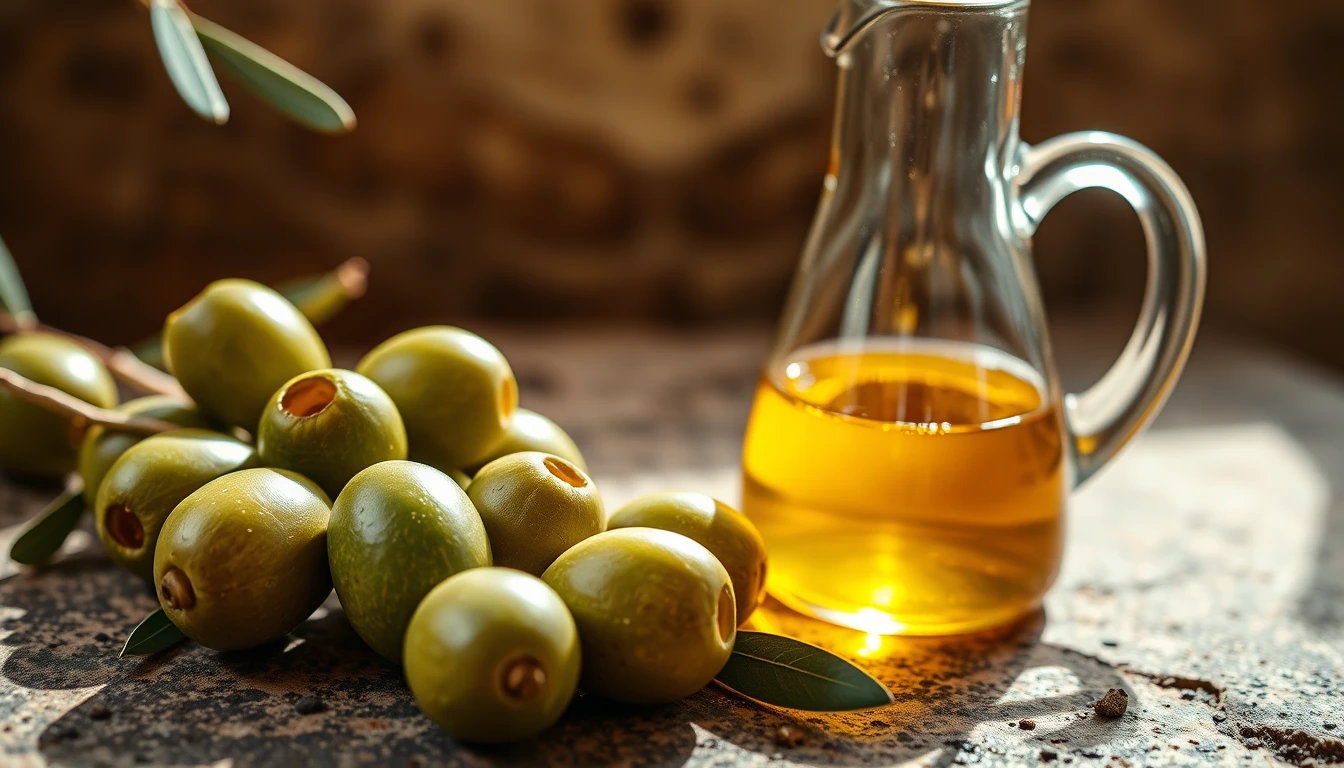
Polyphenols are a broad group of plant compounds. In olive oil the relevant fraction is made of phenolic compounds that survive pressing and dissolve in the oil. Two names appear most often:
- Oleocanthal: a secoiridoid identified in 2005 by researchers at the Monell Chemical Senses Center in Philadelphia. Its name joins oleo (olive), canth (sting) and al (aldehyde). It is responsible for the throat sting.
- Hydroxytyrosol and tyrosol: smaller phenols, present both free and bound in larger molecules. They contribute to bitterness, to stability and to the oil’s resistance to oxidation.
- Oleacein and oleuropein derivatives: relatives of oleocanthal that add to bitterness and to the overall phenolic count.
Oleocanthal is therefore one voice in a chorus, not the whole song. An oil can show a high total phenol figure and still be dominated by bitter compounds rather than pungent ones. For a broader view of the family, our guide to choosing, tasting and keeping high polyphenol Tuscan extra virgin places oleocanthal among its companions. Our preference is clear: judge the whole phenolic profile, and treat a single headline compound as a clue, not a verdict.
Why Oleocanthal Stings: The Sensory Science of Pungency
Pungency is a chemical sensation, not a taste. Oleocanthal activates TRPA1, a receptor in the throat and mouth that also responds to mustard oil and raw garlic. The result is a tingling, peppery warmth that arrives late, around two or three seconds after swallowing, and can linger for ten seconds or more.
Professional tasters separate three attributes, each scored on a scale from 0 to 10 in the International Olive Council method:
- Fruitiness: the aroma of fresh olives, grass, artichoke, tomato leaf or green almond.
- Bitterness: felt on the tongue, usually linked to oleuropein derivatives.
- Pungency: felt in the throat, largely linked to oleocanthal.
A high oleocanthal olive oil typically scores medium to intense on pungency. Balance still matters more than intensity. A great oil lets bitterness and pungency sit in proportion with a generous fruity aroma; an oil that is merely harsh is not a good one. If it stings but smells of nothing, be suspicious.
What Determines Oleocanthal Content: Cultivar, Ripeness, Altitude and Year
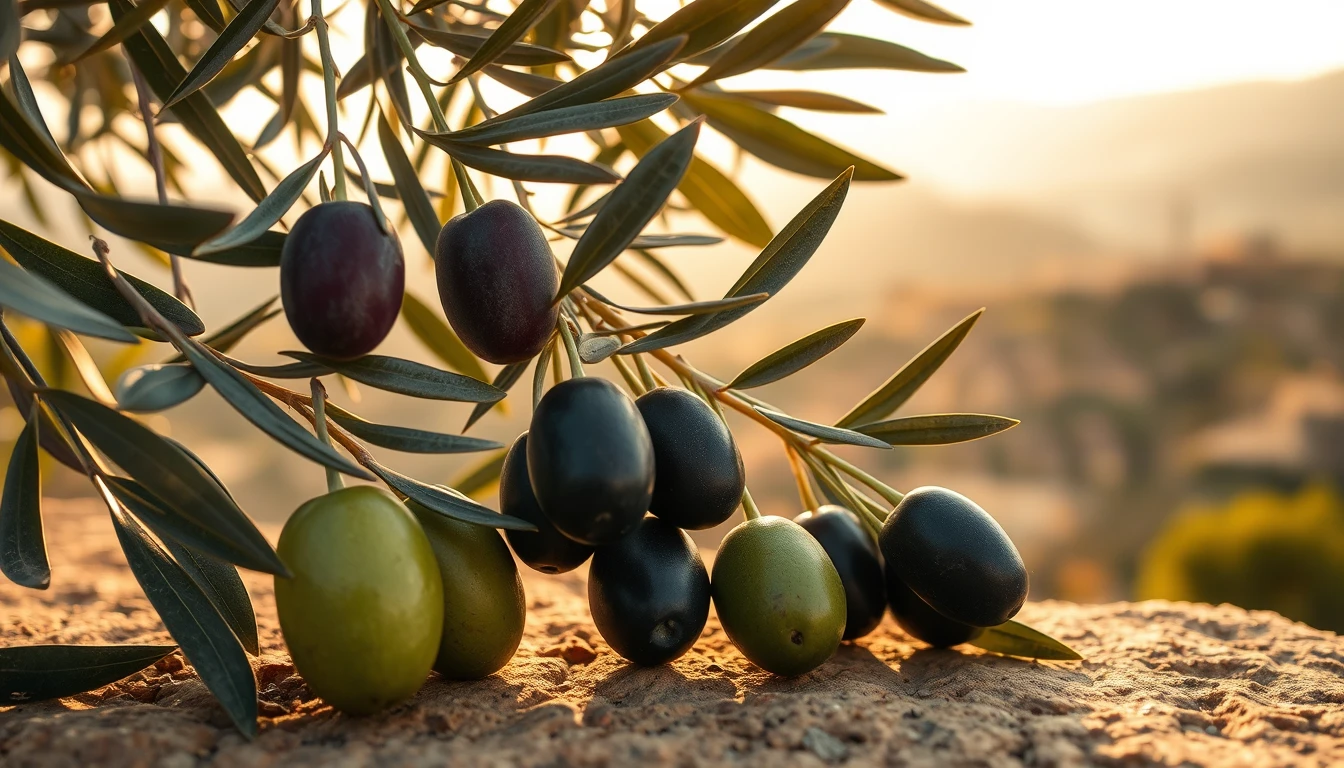
Four factors decide how much oleocanthal ends up in the bottle, and none of them is a marketing choice.
Cultivar
Genetics set the ceiling. Some varieties are naturally rich in secoiridoids, others are gentle and sweet. Blending can raise or soften the final profile.
Ripeness at harvest
Phenols are highest in green and turning olives and fall steadily as fruit ripens to black. Oil pressed from fully ripe olives is rounder but far less pungent. The oil yield is also lower early on, often a few percentage points less, which is one reason early-harvest oil is made in small quantities.
Altitude, water and season
Olives that grow under mild stress, on hillsides with limited water, tend to build more phenols. A hot dry summer or an attack by the olive fly can change a year’s profile entirely, which is why a vintage matters and why two harvests from the same grove never taste identical.
Time
Oleocanthal is not stable. Oxygen, heat and light degrade it gradually. A pungent oil in November may be softer by the following summer, a point we develop in the storage section below.
Tuscan Cultivars and Pungency: Moraiolo, Frantoio and Leccino
Tuscany’s classic trio gives an honest map of pungency. Moraiolo is the most intense: small olives, deep green fruit, marked bitterness and a strong peppery finish. Frantoio is the structured, aromatic centre of the blend, with notes of artichoke and cut grass and a lively but elegant pungency. Leccino is softer and sweeter, often used to round the edges. Pendolino is traditionally added as a pollinator and a touch of almond.
The Toscano IGP designation protects the Tuscan origin and requires that at least 90% of the olives come from the specified varieties and region, with a maximum acidity of 0.5%. It is a useful guarantee of geography and method, but it does not itself certify oleocanthal level. For the full picture of what makes an oil Tuscan, see our guide to Tuscan extra virgin olive oil: origin, freshness and craft.
Val d’Orcia and the hills around Pienza add their own conditions: clay-rich soils, strong day-to-night temperature shifts and wind from Monte Amiata. A pungent, green Tuscan oil from this landscape is not a coincidence of fashion; it is how these groves have long expressed themselves. A single-estate bottling, explained in our piece on single estate olive oil and provenance, lets that character stay legible.
Early Harvest, Cold Extraction and Olio Novello
Early harvest means picking olives while they are still green or just beginning to turn, in Tuscany typically from mid-October. Fewer kilos of oil per kilo of fruit, more phenols, more green aroma. It is the most reliable route to pungency, and it is slow, expensive work.
Cold extraction means the olive paste is kept below 27 °C during malaxation, the slow kneading that releases the oil. This is the legal threshold for the label “cold extracted” in the European Union. Lower temperatures protect volatile aromas and phenols that heat would strip away. Be wary of oils that mention cold extraction but say nothing of harvest date; the claim alone is incomplete.
Olio novello is the freshly pressed oil of the new season, bottled within weeks and often still slightly cloudy. It is the moment of maximum pungency and green perfume. It is also the moment of greatest fragility, which is why novello is meant to be enjoyed within the season, not kept on a shelf for years.
Our view: if you want to understand oleocanthal, taste an early-harvest oil within a few months of pressing. Nothing explains the word “pungent” better.
How to Read a Label and a Lab Report for Oleocanthal
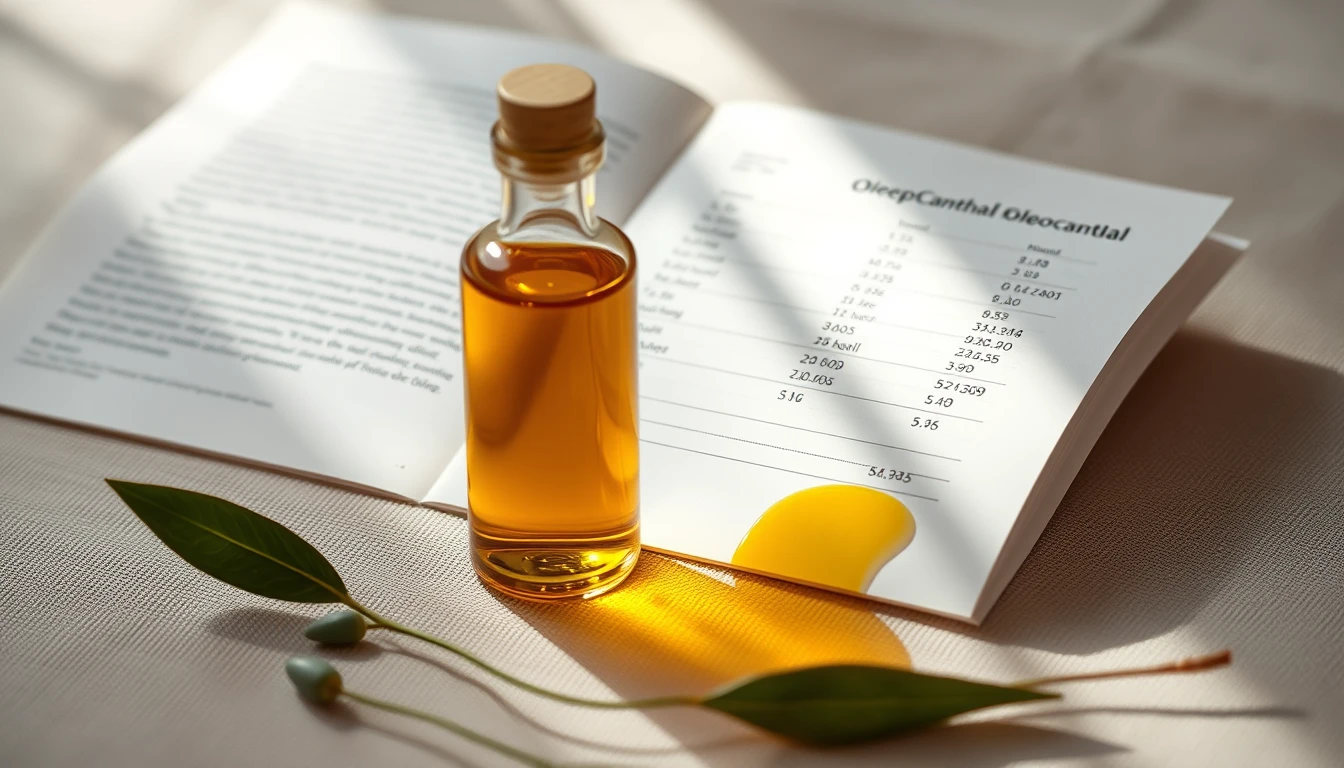
Most labels say little about phenols. Use this checklist to separate information from decoration:
- Harvest date or vintage: a specific year, ideally a specific harvest period. “Best before” alone tells you the bottling rule, not the freshness.
- Verifiable origin: a named estate and municipality, not a vague “Tuscan” or “Italian.” A “packed in Italy” statement does not mean the olives were grown there.
- Analysis data: total phenols in mg/kg and, if offered, oleocanthal and oleacein figures from a named laboratory, with the batch they refer to.
- Container: dark glass, tin or ceramic. Clear glass lets light destroy phenols and chlorophyll in weeks.
- Batch identification: lot number, or better, a numbered unit.
For context, European regulation allows the polyphenol statement on olive oil only when it contains at least 250 mg/kg of hydroxytyrosol and its derivatives. That is a regulatory threshold, not a ranking of quality. Figures also shift with the method used, so compare like with like. Our longer review, best high polyphenol olive oil: the complete guide, walks through these numbers. We reject unproven claims, and for that reason this page states no oleocanthal value for any specific bottling: when a producer does, ask to see the report.
Why Oleocanthal Fades: Light, Heat, Oxygen and the Terracotta Question
Oleocanthal is among the more fragile components of an oil. Three enemies work against it, and each one is controllable.
- Light: clear glass on a lit shelf can degrade quality markedly within weeks. Opaque containers block it entirely.
- Heat: storage above about 20 to 22 °C accelerates oxidation. A cool cellar or pantry, around 14 to 18 °C, is ideal. Never store oil next to a stove.
- Oxygen: every time the vessel is opened, air enters. Smaller formats consumed in a few months face far less oxidative pressure than a large bottle emptied over a year.
Terracotta versus glass
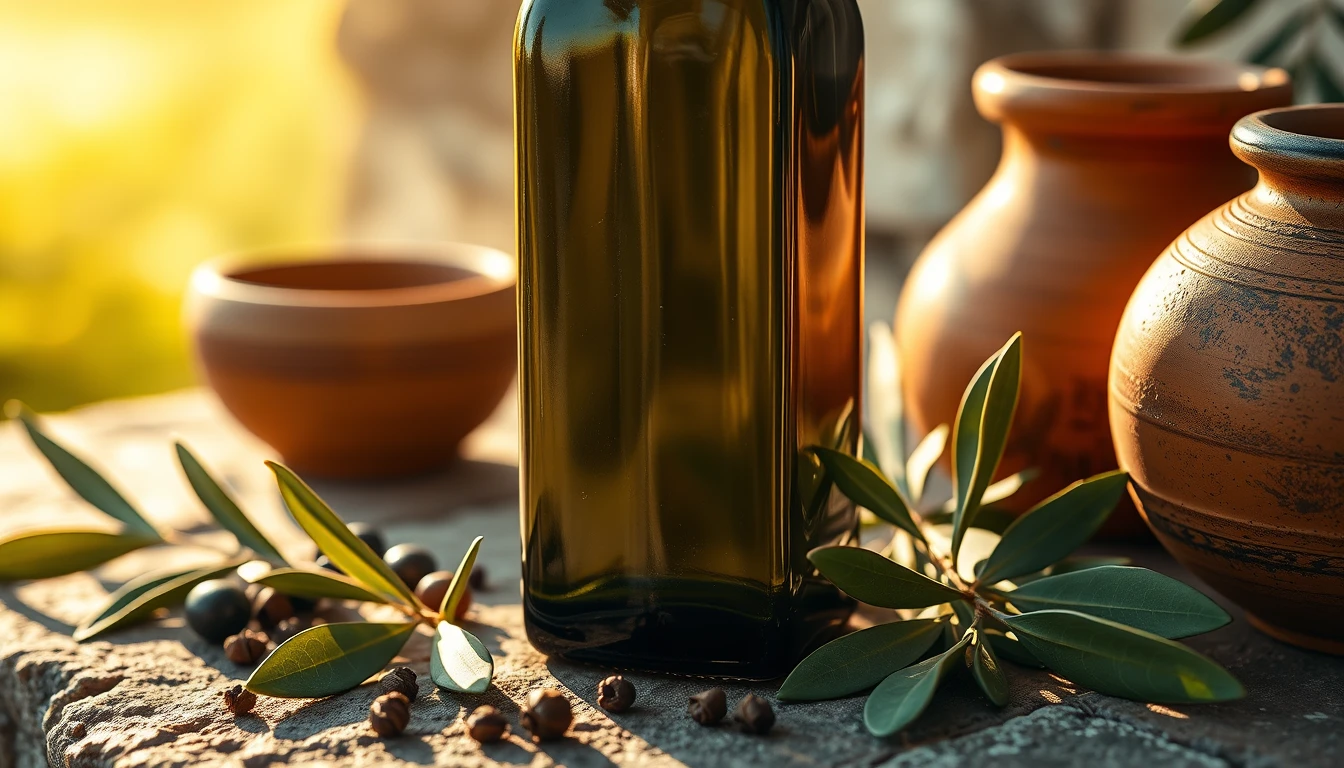
Dark glass is a good, practical protector. A glazed terracotta amphora does the same job and adds something glass cannot: it is entirely opaque, stable in temperature and a beautiful object in itself. This is the logic behind the Eleivas vessel, a hand-thrown amphora that treats oil as something to protect rather than to display in the light.
How long does it last?
Unopened and kept well, a fresh extra virgin oil keeps its character for roughly 18 to 24 months from harvest, with its peppery edge softening first. Once opened, plan on three to four months for maximum aromatic intensity. Our guide on how long olive oil can last covers the details.
Oleocanthal and Health Claims: What Can and Cannot Be Said
Oleocanthal attracts scientific interest, and the internet is full of bold statements about it. Our position is plain: an olive oil is not a medicine, and nothing on this page claims it cures, prevents or treats any condition. Laboratory studies describe how oleocanthal behaves in cells and in animal models; that is not the same as proving an effect from a spoonful at the table.
What can be said with confidence is narrower and more honest:
- Phenolic compounds are measurable components of extra virgin olive oil.
- They shape bitterness, pungency and the oil’s stability over time.
- Their concentration falls with age, heat, light and oxygen.
- The EU authorises one specific wording on olive oil polyphenols, under strict conditions, and no other.
Anyone who sells oleocanthal as a remedy is selling hope, not olive oil. A good oil needs no such promise. It offers flavour, freshness and provenance, and those are enough.
High Oleocanthal Olive Oil as a Gift and a Collectible Object
A pungent, early-harvest oil is an unusual and thoughtful gift precisely because it is not obvious. It asks the recipient to slow down, to taste a spoonful, to notice the cough and the green scent. That makes it a more memorable gesture than a generic hamper. We discuss the choices in our guide to an olive oil gift set from Italy.
The Eleivas 2026 Limited Vintage follows this thinking. It is a run of only 100 hand-thrown terracotta amphorae of 100 ml each, hand-engraved with Roman numerals from I to C and closed with a wax seal. The opaque vessel guards the oil from light; the numbering makes each piece traceable and individual. The format answers a common question directly: it is meant to be opened and tasted, within three to four months of breaking the seal, while the amphora remains afterwards as a keepsake from Val d’Orcia and Pienza. Terracotta has carried oil around the Mediterranean since Etruscan times, and this amphora continues that vocabulary in a modern, restrained form.
We refuse olive oil sold on price alone, clear glass that exposes oil to light, vague “Tuscan” labels and unproven health claims. What remains is a simple promise: a small quantity, a named place and an object worth keeping.
Frequently Asked Questions About High Oleocanthal Olive Oil
What does high oleocanthal olive oil taste like?
It tastes green and vivid: fresh-cut grass, artichoke or tomato leaf on the nose, noticeable bitterness on the tongue and a peppery sting in the throat that often provokes a brief cough. The sting appears after swallowing and fades within seconds. Balance, not harshness, marks a good one.
How can I tell whether an oil is genuinely rich in oleocanthal?
Combine taste and documents. Taste for pronounced pungency in the throat, then check for a harvest year, a named estate, a dark or opaque container and, ideally, a laboratory report listing phenols or oleocanthal in mg/kg for that batch. A label statement without analysis is not proof.
Why pay a premium for just 100 ml of oil?
Because the format is a tasting object, not a cooking staple. Early-harvest olives yield less oil, the vessel is handmade, and each unit is numbered within a run of 100. You are paying for provenance, freshness and craft in a quantity meant to be savoured, not for volume.
Can I trust the origin and authenticity of a small Tuscan producer?
Trust should rest on evidence. Look for a named estate and municipality, a specific harvest year, batch numbering and willingness to share analysis. Small producers are often easier to verify than large blenders because the whole chain, from grove to vessel, is short and documentable.
Is the amphora meant to be used or only displayed?
Both, in sequence. The oil is meant to be tasted, ideally within three to four months of breaking the wax seal, when its aromas are most intense. Afterwards, the numbered terracotta vessel remains as a collectible object.
How long does the oil stay fresh once the seal is broken?
For maximum aromatic intensity, use it within three to four months. Keep it in a cool, dark place around 14 to 18 °C, away from the stove, and close it promptly after each use to limit contact with air.
What about shipping, customs and delivery to the United States?
Delivery terms, import duties and transit protection for US addresses should be confirmed in writing before you commit. Eleivas handles these details when you request an allocation, so you know exactly how the amphora will travel and who is responsible at each step.
Does high oleocanthal olive oil have medical benefits?
We make no medical claims. Oleocanthal is a subject of laboratory research, but an olive oil is a food, not a treatment. Choose it for flavour, freshness and provenance, and consult a healthcare professional for medical questions.
Continue with the Eleivas 2026 Limited Vintage
If this guide has made you curious about a pungent, verifiable Tuscan oil kept in an opaque, numbered terracotta amphora, you can read about the vessel, the run of 100 and the harvest on the Eleivas home page, or explore more guides on the Eleivas blog. To ask about availability, shipping to the United States or a gift for someone special, secure your allocation.