What Makes a Limited Edition Olive Oil Genuinely Limited
A limited edition olive oil is a single harvest, bottled in a fixed and declared number of units, with a traceable origin and packaging that protects the oil from light. If any of those four elements is missing, “limited” is only a marketing word. The real test is verifiability: a named estate, a harvest year, and a number you can check.
The most reliable signals, in order of importance, are these:
- Declared run size: a stated quantity, ideally with each unit individually numbered.
- Verifiable provenance: a specific place such as Val d’Orcia, not a vague “Tuscan” or “Italian” label.
- Light-proof container: opaque vessels protect oil far better than clear glass.
- Stated harvest year: freshness is measured in months, not in years.
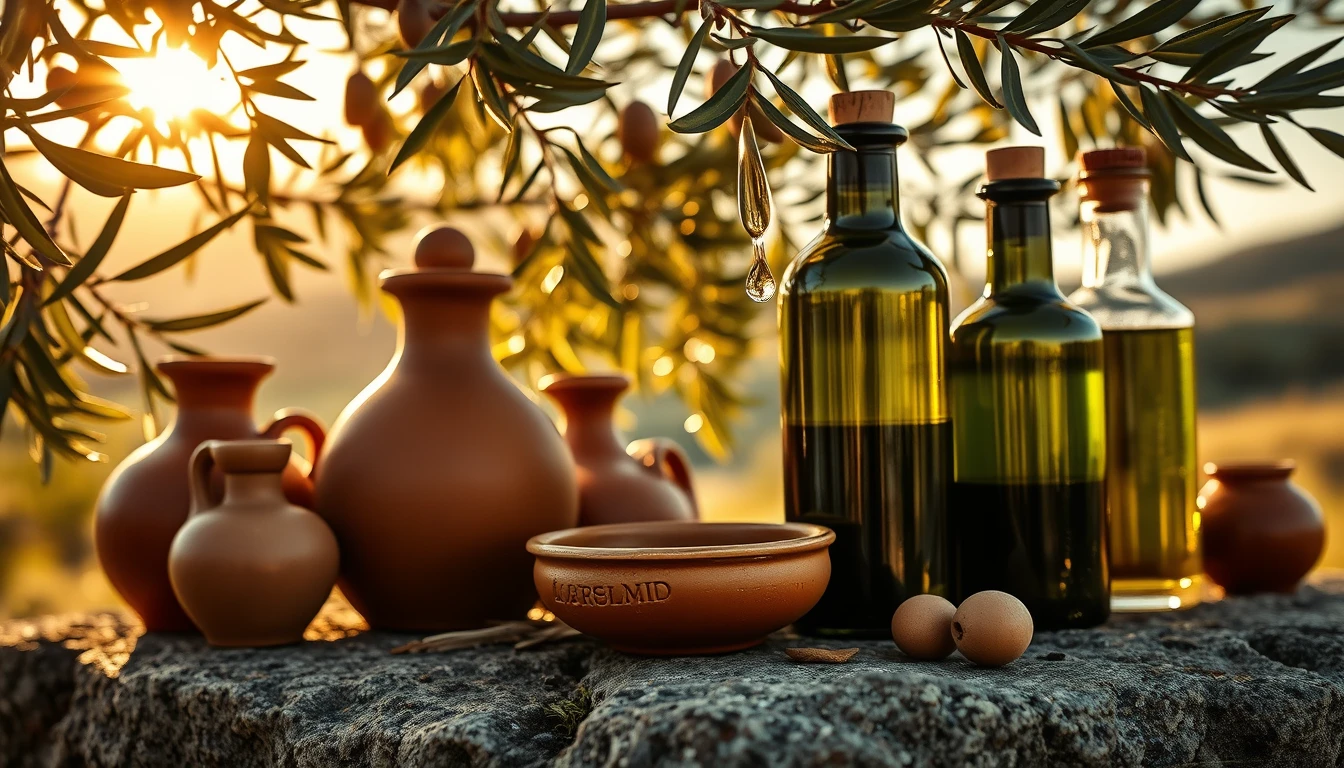
This is the principle behind the Eleivas 2026 vintage: 100 hand-numbered terracotta amphorae of 100 ml each, engraved with Roman numerals from I to C and closed with wax. Oil is something to protect, number and keep. The rest of this guide explains how to judge any Tuscan limited edition, ours or anyone else’s.
Why 100 ml Is a Considered Format for Exceptional Tuscan Oil
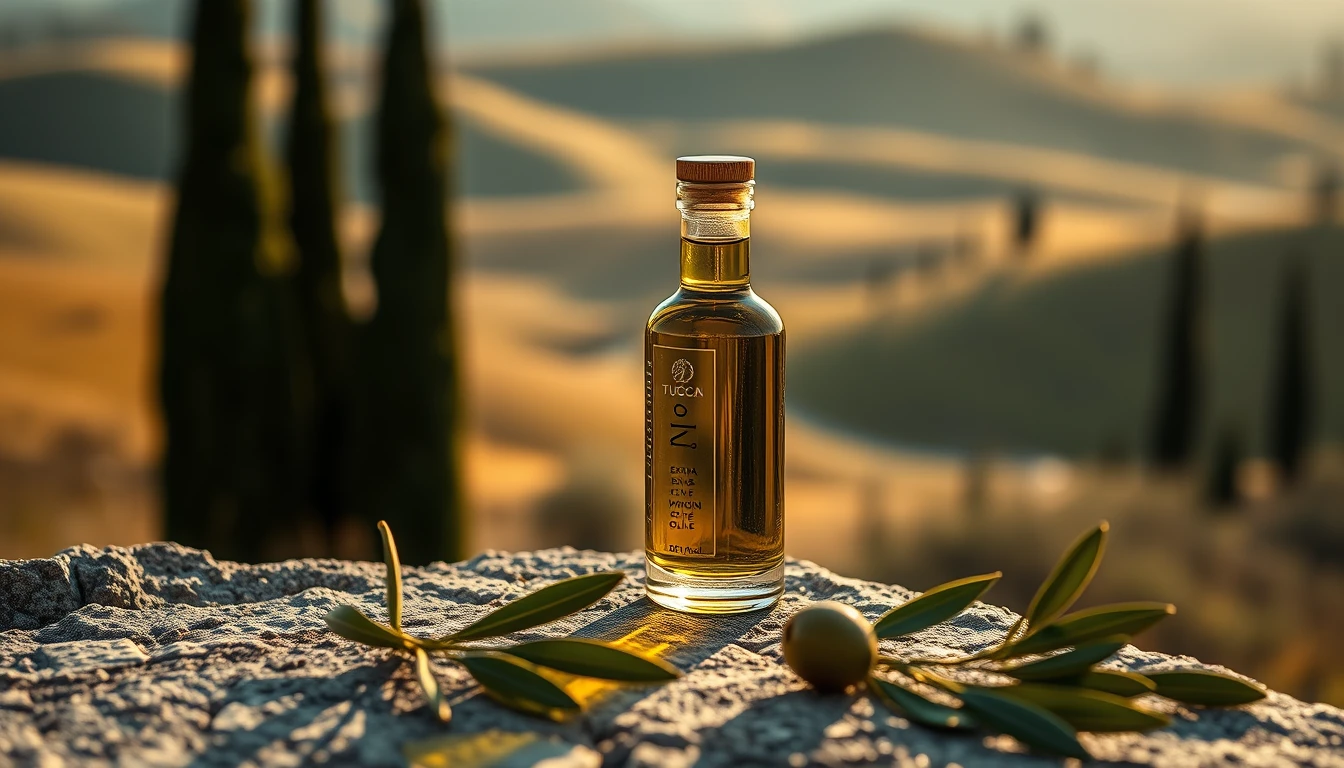
Hundred millilitres is not a token amount. It is a tasting format, designed for the moment rather than the pantry. The question “why pay a premium for so little oil?” has a practical answer in agricultural arithmetic.
The olives behind a small vessel
Depending on cultivar, ripeness and season, producing one litre of extra virgin oil takes roughly 5 to 10 kg of olives. Early harvest sits at the demanding end of that range, because green fruit yields less oil. A 100 ml vessel therefore represents about half a kilo to a kilo of hand-picked olives, pressed within hours.
Small by design, not by scarcity theatre
A small format also solves the freshness problem. Oil begins to lose aromatic intensity once opened, so a quantity you can finish within three to four months is the quantity you will actually taste at its best. Large containers favour convenience; small ones favour character. For drizzling over a finished dish, such as grilled bread, white beans, burrata or a ripe tomato, 100 ml is generous.
Val d’Orcia and Pienza: Where a Tuscan Oil Gets Its Identity
A Tuscan extra virgin olive oil is defined less by a word on the label than by landscape. The Val d’Orcia, a UNESCO World Heritage landscape since 2004, combines clay-rich hills, strong day-to-night temperature swings and steady wind. Olive trees here grow on slopes between roughly 300 and 600 metres, where cooler nights slow ripening and tend to preserve aromatic compounds.
Pienza, the Renaissance “ideal city” rebuilt by Pope Pius II in the 1460s, sits at the heart of this territory. Olives have been pressed around it for centuries, and the oil has long been part of its table culture alongside pecorino and bread.
When you read about a Tuscan oil, ask for a village or a valley, not a region. Our full guide to Tuscan extra virgin olive oil, its origin, freshness and craft shows how to read that geography on a label.
Frantoio, Leccino and Moraiolo: The Cultivars Behind Tuscan Character
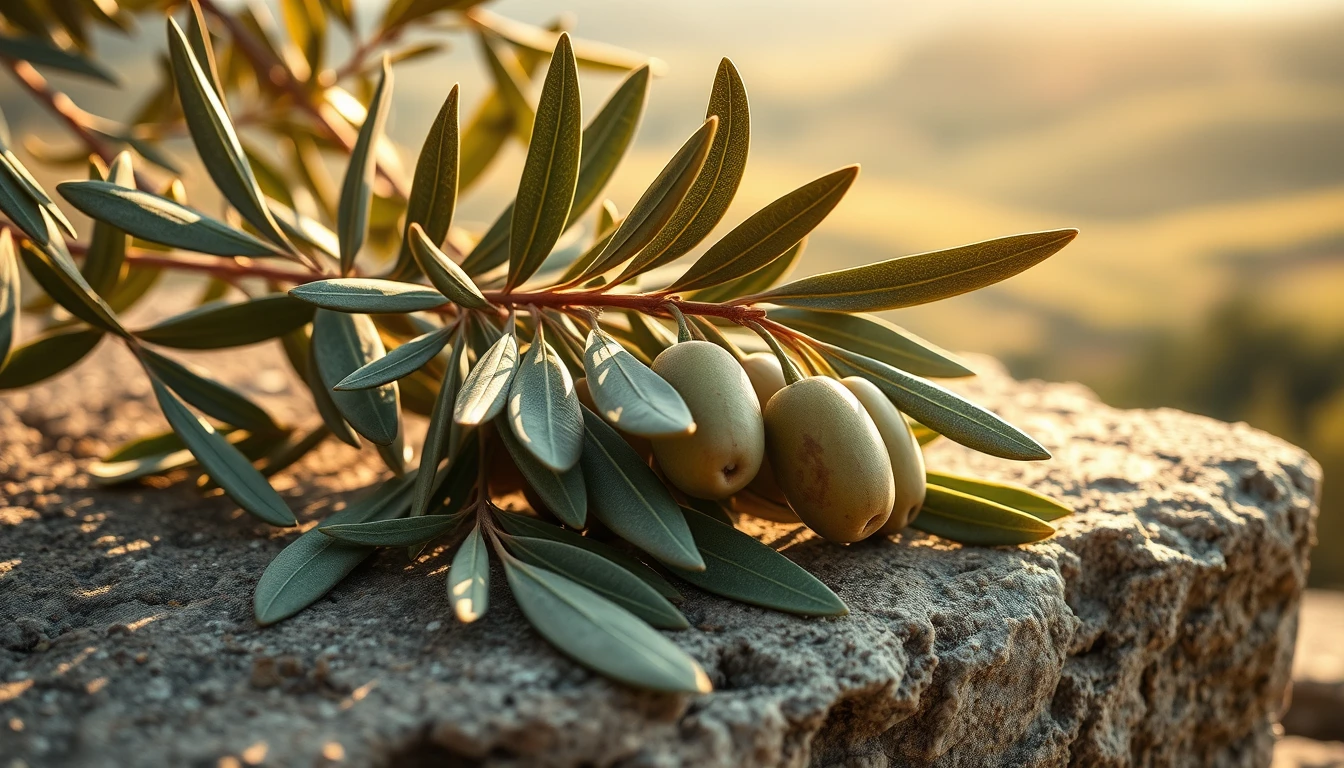
A cultivar is a named olive variety, and it shapes flavour as grape variety shapes wine. Tuscany’s classic trio each contributes something distinct:
- Frantoio: fruity, with green almond and fresh-cut grass notes and a lively pepper finish.
- Moraiolo: intense and herbaceous, often the most bitter and pungent of the three.
- Leccino: softer and sweeter, which rounds the sharper edges of a blend.
Pendolino is often added as a pollinator and a gentle aromatic accent. Most traditional Tuscan oils are blends of these varieties, balanced by the miller. A monocultivar oil is made from one variety only and shows its profile in a pure form.
The Toscano IGP (Indicazione Geografica Protetta, recognised by the European Union in 1998) is a regulated designation requiring that olives be grown, pressed and bottled in Tuscany and that a predominant share come from these traditional varieties. It is a useful guarantee, but it is not the only marker of quality, and you should never assume a certification or cultivar that a producer has not stated and documented.
Early Harvest and Cold Extraction: How Intensity Is Made
Early harvest means picking olives while still green or just turning, typically in October. The oil is greener, more bitter and more pungent, and it contains more phenolic compounds than oil from fully ripe fruit. The cost is lower yield. This is the style Tuscany is known for, and a close relative of the seasonal olio novello, the freshly pressed new oil sold in the weeks after harvest.
Cold extraction means the olive paste is kneaded and pressed at temperatures below 27°C, the legal threshold for the label “cold extracted” in the European Union. Heat speeds extraction but drives off delicate aromas.
What to look for in practice:
- A stated harvest period, not just a bottling date.
- Pressing within hours of picking; delays of days allow fermentation defects to appear.
- A colour that leans green-gold, though colour alone proves nothing, and professional tasters use blue glass to ignore it.
Polyphenols, Hydroxytyrosol and Oleocanthal: What They Reveal About Flavour and Freshness
Polyphenols are natural phenolic compounds in olives. In oil, the best known are hydroxytyrosol and its derivatives, which contribute to bitterness and to the oil’s resistance to oxidation, and oleocanthal, the compound responsible for the peppery sting at the back of the throat, identified in 2005.
For a buyer, they are most useful as sensory and freshness indicators. A fresh, polyphenol-rich oil usually tastes green, bitter and pungent, and tends to keep its character longer. Polyphenols fall with ripeness, heat, light and time.
A few honest rules:
- Content varies enormously by cultivar, harvest date and season; only laboratory analysis gives a number.
- Be wary of any producer who quotes polyphenol figures without a harvest year and lab report.
- We make no medical claims about olive oil. We describe taste, aroma and freshness, which you can verify yourself.
For a deeper look, read our guides on choosing, tasting and keeping high polyphenol oil, the best high polyphenol Tuscan extra virgin and high oleocanthal oil.
Single Estate Provenance: How to Verify the Origin of a Small Producer
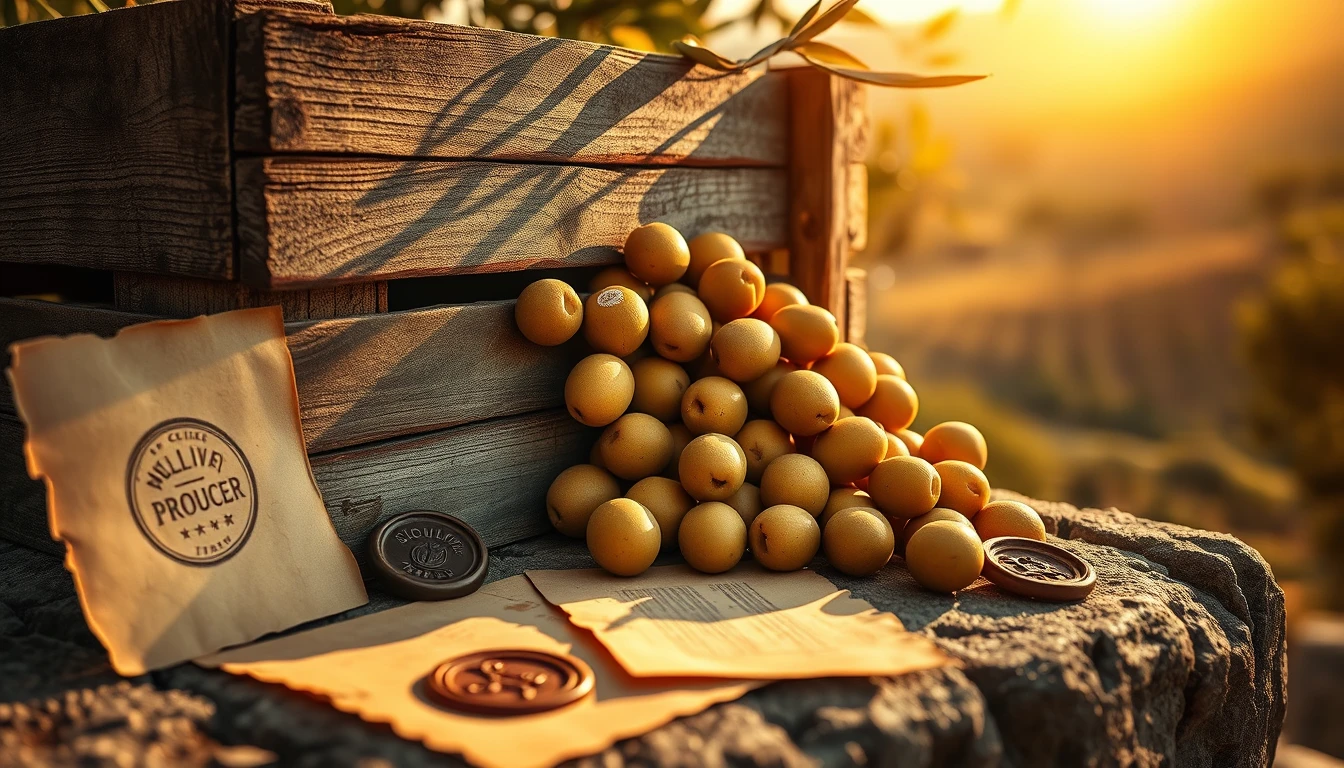
A single estate olive oil comes from olives grown, and ideally pressed, on one property. It is the opposite of a blend of oils bought in bulk across regions or countries. Trust in a small producer should not rest on charm. It should rest on evidence you can request.
Before buying, check for:
- A named place: municipality or valley, not only “Tuscany”.
- A harvest year printed on the container.
- A lot or unit number that links the object to a specific run.
- A producer you can contact, with a real address and responsive communication.
- Documented claims: certifications and cultivar statements only where a producer can show the paperwork.
Individual numbering is the simplest traceability tool a small producer has. Our guide to single estate olive oil, provenance, freshness and Tuscan craft explains each of these checks in detail.
Terracotta Amphorae Versus Clear Glass: Protecting Oil from Light
Three forces degrade oil: light, heat and oxygen. Clear glass fails against the first. Studies on bottled oil show that exposure to light can degrade quality markedly within weeks, which is why a bottle that has sat under shop lighting may already be a shadow of its harvest self.
An opaque vessel solves this directly:
- Terracotta blocks light entirely, as dark glass and tin do.
- Its mass buffers temperature swings in a cool room.
- A wax seal limits oxygen contact until the moment you open it.
Terracotta also carries meaning. Etruscan communities in what is now Tuscany pressed, stored and traded oil and wine in fired clay vessels, and amphorae crossed the Mediterranean for centuries. A hand-thrown amphora is a continuation of that craft, not a costume. Each hand-thrown piece varies slightly, which is part of its appeal, and our gift guide on the Italian olive oil gift set shows how packaging shapes the experience.
How Long a Limited Edition Oil Stays Fresh After the Seal Is Broken
Shelf life is the period in which oil keeps its intended character. Unopened, well-stored extra virgin oil is generally at its best for 18 to 24 months from harvest, and it declines gradually afterwards rather than expiring on a date. Opening changes the clock, because oxygen begins its slow work.
For a 100 ml vessel, our guidance is clear: once the wax seal is broken, enjoy the oil within 3 to 4 months for maximum aromatic intensity. After that it remains safe to eat, but green notes soften.
Storage rules that matter
- Keep it between 14°C and 18°C (57–64°F), away from the stove and sunny windowsills.
- Close it promptly after each use.
- Keep it in the dark, such as in a cupboard or a cool cellar.
- Do not refrigerate for long periods; condensation and clouding are unhelpful.
Our detailed article on how long olive oil lasts covers each scenario.
How to Taste Olive Oil: Aroma, Bitterness and Pungency
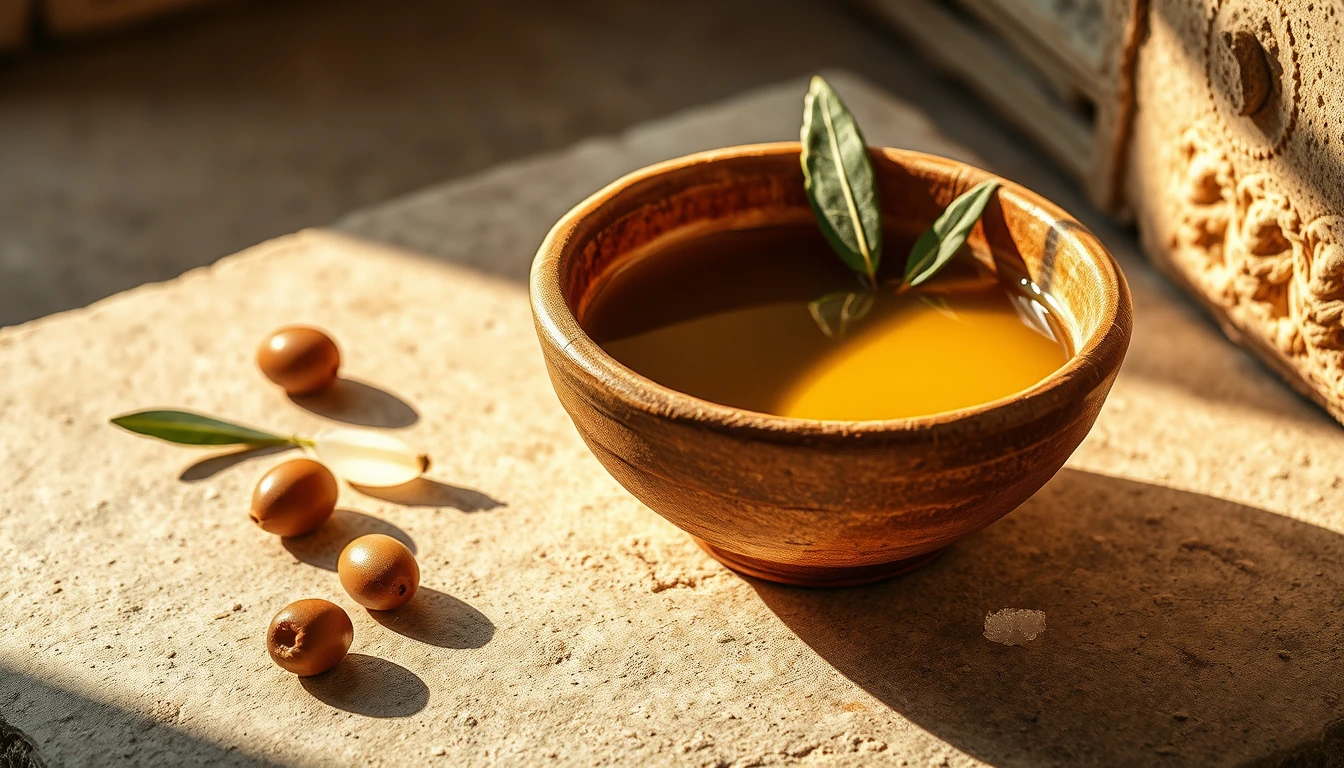
Tasting oil is a short, structured ritual, and it takes about two minutes.
- Warm and smell. Pour a teaspoon into a small glass, cup it in your palm for a minute, then inhale. Look for cut grass, green tomato, artichoke or almond.
- Sip and aerate. Draw a little air across the oil on your tongue so the aromas travel upward.
- Judge the finish. Note bitterness on the tongue and pungency, the peppery catch in the throat that may make you cough.
Both bitterness and pungency are positive signs in an early harvest Tuscan oil, evidence of freshness and phenolic richness. The faults to avoid are rancid (stale nuts, crayons), fusty (fermentation) and musty (damp) notes. A good oil should feel balanced: fruit first, then bitterness, then a clean peppery finish.
Pair it with plain foods, such as warm bread, boiled potatoes, mild cheese or vanilla gelato, so that nothing masks its character.
Limited Edition Olive Oil as a Gift: To Use or to Display?
This is the most common hesitation, and our answer is firm: the oil is meant to be tasted. The vessel earns its place on a shelf afterwards, as a collectible object with a number, a story and a place of origin. Using and keeping are not in conflict; the amphora simply outlasts the oil.
Why it works as a gift
- It is consumable, so it never clutters, yet it leaves a keepsake behind.
- The numbering makes each piece personal: a birthday, an anniversary or a client’s favourite number.
- It suits hosts, collectors of design objects and travellers who remember Val d’Orcia.
Shipping to the United States
Gift buyers in the US should confirm three things before ordering: carrier and insurance for fragile ceramic, expected delivery time from Italy, and who is responsible for any import duties or taxes. These details belong in writing; our terms and conditions set out the framework, and the producer should answer any shipping question directly. Our guide to the Tuscan olive oil gift set from Italy adds practical advice on presentation.
Frequently Asked Questions About Limited Edition Olive Oil
Why pay a premium for just 100 ml of olive oil?
Because you are paying for harvest labour, low early-harvest yield, protective packaging and a numbered, traceable object, not for volume. A 100 ml vessel represents roughly half a kilo to a kilo of olives, and its small size lets you taste the oil at peak intensity.
Can I trust the origin of a small Tuscan producer?
Yes, if the producer offers evidence: a named place, a harvest year, a unit number and direct contact. Be cautious of vague “Tuscan” wording and any certification or cultivar claim that cannot be documented.
Is limited edition olive oil meant to be used or collected?
Both. The oil is made to be tasted, ideally as a finishing drizzle on simple food. Once empty, the numbered terracotta amphora remains a keepsake.
How long does it stay fresh once opened?
For the Eleivas 100 ml amphora, we recommend enjoying it within 3 to 4 months of breaking the wax seal for maximum aromatic intensity. Keep it closed, dark and cool, between 14°C and 18°C.
How do shipping and customs to the United States work?
The oil is shipped from Italy in protective packaging. Delivery time, insurance and any import duties should be confirmed with the producer before you order, so there are no surprises on arrival.
Are polyphenols the same as quality?
No. Polyphenols are one indicator, mostly of bitterness and freshness. Quality also depends on aroma, absence of defects, harvest date and storage. Only laboratory analysis can quantify polyphenols, and we make no medical claims.
Why terracotta instead of glass?
Terracotta is opaque, so light cannot reach the oil, and light is one of its principal enemies. It also stabilises temperature and carries a Mediterranean heritage dating back to the Etruscans.
What does “extra virgin” mean legally?
In the European Union, extra virgin oil is mechanically extracted, has free acidity of no more than 0.8%, and passes a sensory panel with no defects and some fruitiness. Tuscan limited editions aim well beyond that minimum.
Where to Learn More About the Eleivas Limited Vintage
A limited edition oil should answer every question in this guide: where it grew, when it was picked, how it is protected and how many exist. If you would like to see how these principles come together in one numbered run, discover the Eleivas 2026 Limited Vintage and get in touch to ask about availability. You can also continue reading in the Eleivas journal.
Un altro contenuto correlato: Eleivas 2026 Limited Vintage.