What Makes the Best High Polyphenol Olive Oil: The Short Answer
The best high polyphenol olive oil is an extra virgin oil made from early-harvested olives, cold-extracted within hours of picking, bottled with a stated harvest year, protected from light, and traceable to a named estate and territory. Polyphenols are one signal of quality, not the whole verdict. They matter only when freshness, origin and storage keep them intact.
A high polyphenol olive oil is generally one whose total phenolic content sits above roughly 250 to 300 mg/kg. Robust early-harvest oils can exceed 400 to 500 mg/kg, while many ordinary extra virgin oils fall below 200 mg/kg. Figures shift with cultivar, season and laboratory method, which is why the number alone is never enough.
Six criteria separate a genuinely exceptional oil from a generic label:
- Harvest date or vintage printed on the container, not only a vague “best before”.
- Early harvest, typically October to early November in Tuscany, when olives are still green and violet.
- Cold extraction, with paste kept below 27 °C.
- Verifiable origin: a named estate, village and valley, not just “Tuscan”.
- Opaque packaging that blocks light entirely.
- Sensory proof: green fruitiness, clear bitterness and a peppery finish.
The rest of this guide explains each criterion in turn, with facts you can check yourself.
Polyphenols Explained: Hydroxytyrosol, Oleocanthal and Oleuropein
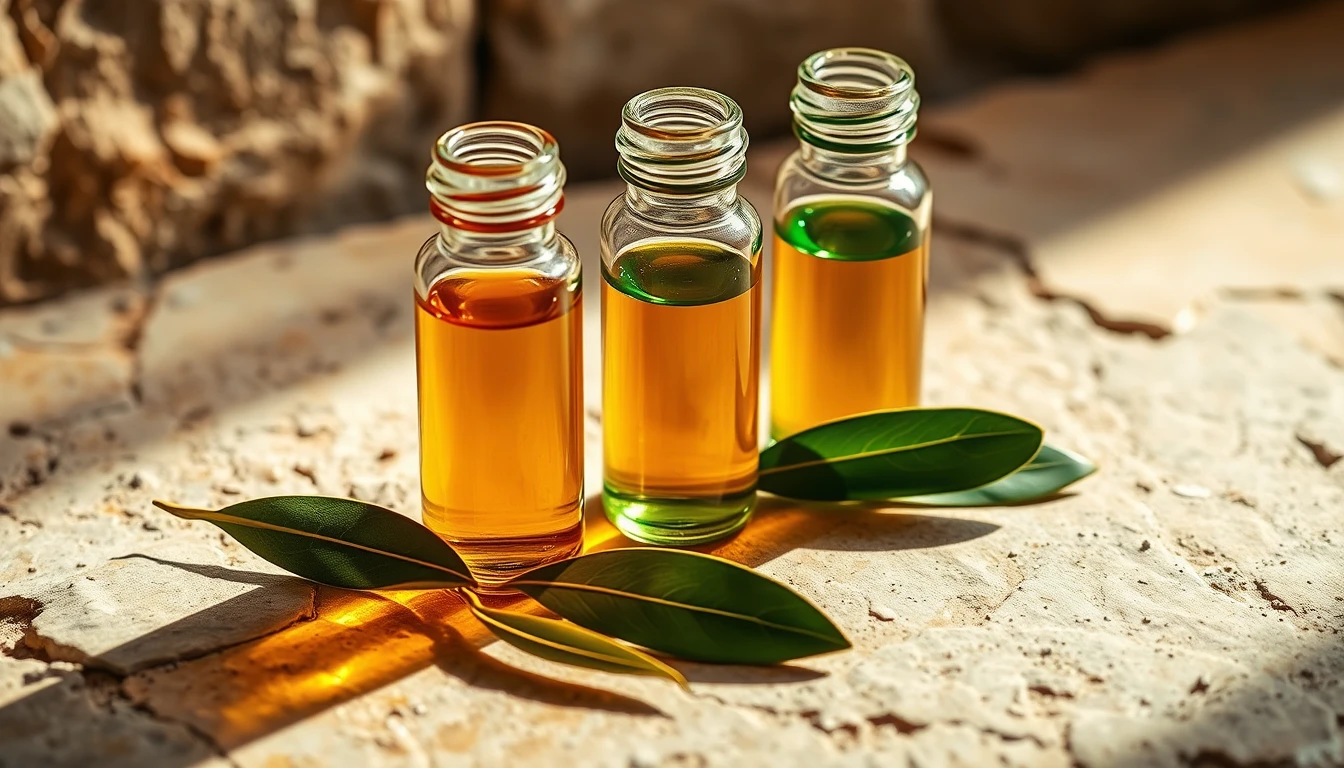
What polyphenols actually are
Polyphenols are natural phenolic compounds that the olive tree produces to defend itself against pests, sun and stress. Extra virgin olive oil contains dozens of them. The best known are hydroxytyrosol, tyrosol, oleuropein derivatives and oleocanthal. They are present in the olive fruit and pass into the oil during crushing and malaxation, the slow stirring of the paste.
Why they matter for taste and freshness
Polyphenols give oil its signature bitterness and pungency. Oleocanthal is the compound behind the peppery tickle at the back of the throat, sometimes a small cough. Polyphenols are also natural antioxidants within the oil itself, slowing the oxidation that turns flavor rancid. An oil rich in phenolics generally keeps its character longer than a mild one, provided it is stored well.
What we deliberately do not claim
Scientific literature on olive polyphenols is active, and regulators allow specific, tightly worded label statements above a threshold of 250 mg/kg. We take a stricter editorial line: no medical promises, no cures, no prevention language. Polyphenols are valued here for what you can verify with your senses and a laboratory report: flavor, aroma and stability. For a deeper technical walk-through, read our complete guide to choosing, tasting and keeping high polyphenol Tuscan extra virgin.
How to Read Polyphenol Numbers on a Label
Most bottles never state polyphenol content. Those that do usually express it in mg/kg of total phenols, measured by HPLC or a colorimetric method. Understanding what stands behind the number is more useful than the number itself.
Four questions to ask of any figure
- Which harvest? Phenols decline every month after bottling. A figure from the pressing is not a figure for today.
- Which method? HPLC and colorimetric results are not interchangeable and can differ by tens of percent.
- Which lab and batch? A genuine analysis names the laboratory, date and lot.
- Is the taste consistent? A claimed high value with no bitterness or pungency deserves doubt.
Why a higher number is not always better
Very high phenolic oils can be assertive, even austere. A balanced oil at 300 to 450 mg/kg, with harmonious fruit, bitterness and pungency, is often a finer experience than an extreme one. Our position: choose polyphenols as a measure of vitality and freshness, then let your palate decide. We state only figures that can be supported by analysis, and we never infer them from marketing.
Early Harvest, Cultivars and Cold Extraction: Where Polyphenols Come From
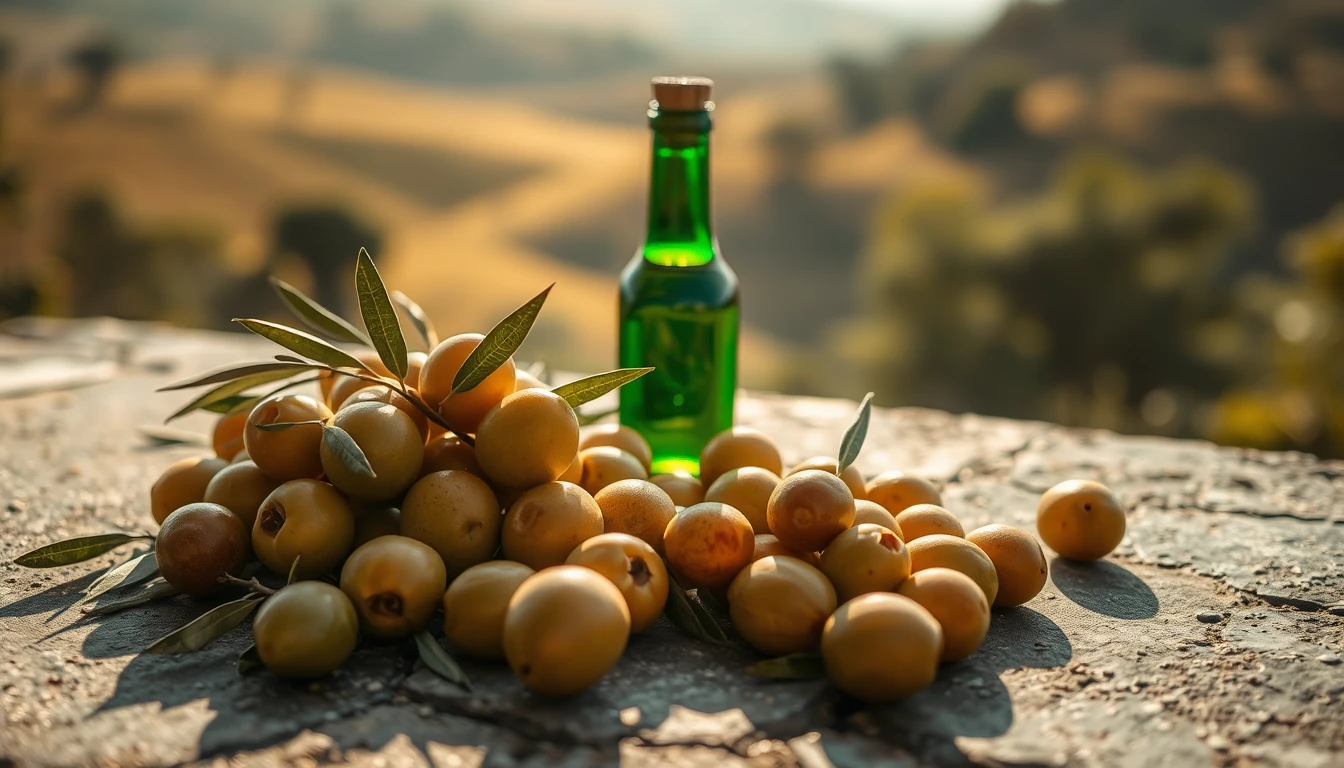
Early harvest
Green olives hold the most phenolic compounds. As they ripen and darken, polyphenols fall while the yield of oil rises. Harvesting early sacrifices quantity: an early pressing may need 8 to 10 kg of olives for a single liter, against 5 to 6 kg for a late, ripe harvest. The first oil of the season, sometimes bottled unfiltered as olio novello, is the most vivid expression of this choice.
The great Tuscan cultivars
- Frantoio: fragrant, with notes of green almond and artichoke, balanced bitterness and a clear pungent finish.
- Moraiolo: intense and assertive, typically among the most phenol-rich Tuscan varieties.
- Leccino: softer and sweeter, often used to round out the structure of a blend.
Cultivar composition for any specific oil should be stated by the producer and verifiable, never assumed from the region.
Cold extraction
Cold extraction means the olive paste never exceeds 27 °C during processing. Heat boosts yield but strips aroma and degrades delicate phenols. Quality mills crush within hours of picking, because olives left in crates begin to ferment and lose both freshness and phenolic content.
Why Tuscan Provenance Matters: Val d’Orcia, Pienza and the Toscano IGP
Tuscany sits near the northern limit of the olive tree’s range. Cooler nights, hillside stress and the risk of early frost push trees to produce more protective phenols, which is one reason Tuscan oils are known for their green, peppery profile.
Val d’Orcia and Pienza
The Val d’Orcia, a UNESCO World Heritage landscape in the province of Siena, combines clay-rich hills, strong day-to-night temperature shifts and centuries of olive growing. The town of Pienza, shaped by Pope Pius II in the 15th century, sits at its heart. Olives here are grown among cypress-lined ridges where terrain forces hand harvesting on many slopes.
What “Toscano IGP” does and does not tell you
The Toscano IGP (Protected Geographical Indication) is a regional designation that ties an oil to Tuscan olives, local cultivars and certified production. It is a meaningful guarantee of territory. It is not a guarantee of polyphenol level or freshness. Equally, a bottle that says only “Tuscan” or “bottled in Tuscany” may say nothing about where the olives grew. Look for the estate, the commune and the harvest year.
That is why we refuse vague origin language. A small producer earns trust through specifics: named groves, a stated vintage, and the willingness to be verified.
Single Estate and Monocultivar: Reading Origin Beyond the Word “Tuscan”
A single estate oil comes from olives grown, harvested and pressed from one property or tightly defined group of groves. A monocultivar oil is made from one olive variety only. A blend of cultivars, by contrast, balances qualities, and in Tuscany it is the classic tradition.
Which is better?
Neither wins by default. Monocultivar oils offer clarity: you taste Frantoio or Moraiolo in its purest form. Blends offer harmony: Frantoio’s fragrance, Moraiolo’s power and Leccino’s softness in one glass. Single estate matters more than either because it makes accountability possible. If one family grows, harvests and presses the fruit, every step can be traced and questioned.
Signs of real traceability
- A named estate and municipality on the container.
- A harvest year, ideally also a lot or bottle number.
- A producer who answers questions about cultivars, harvest dates and milling.
- Consistency between stated origin and sensory profile.
How to Taste a Polyphenol-Rich Oil: Aroma, Bitterness and Pungency
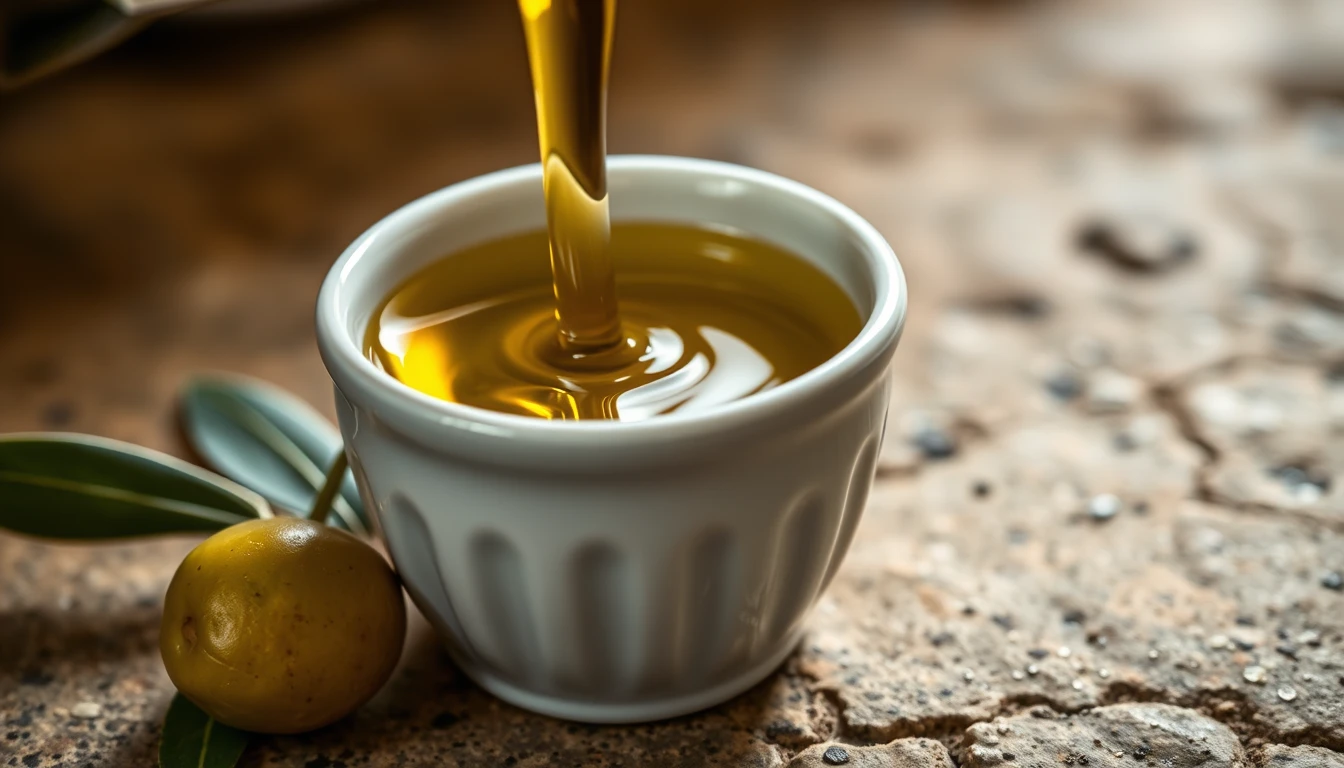
Professional panels judge three positive attributes: fruitiness, bitterness and pungency. You can do the same at home in a minute.
A simple five-step method
- Pour a teaspoon into a small glass and cover it with your palm.
- Warm it gently in your hand for about 30 seconds.
- Smell deeply: cut grass, green tomato leaf, artichoke, almond.
- Sip and draw air across the tongue, as in wine tasting.
- Swallow and note the finish: bitterness on the tongue, pepper in the throat.
What to look for, and what to reject
Bitterness and pungency are not flaws. They are the palate’s signature of phenolic richness. Defects are different: rancid (stale nuts, crayons), fusty (fermented olives), musty and winey notes mean the oil is faulty or old. A good bitter oil tastes alive. A faulty one tastes flat, greasy or sour.
How to enjoy it
Use it raw, in small quantities: on a slice of warm bread, over a simple white bean soup, on aged pecorino from Pienza, on grilled fish or ripe tomato. Heat softens its aromatic character, so a high polyphenol Tuscan oil belongs on the finished dish. If you want recipes and pairings, our blog collects practical guides.
Light, Heat and Terracotta: How to Store High Polyphenol Olive Oil
Oil has three enemies: light, heat and oxygen. Of these, light is the most underestimated. Oil in clear glass on a lit shelf begins to oxidize quickly, losing aroma and polyphenols long before it reaches your kitchen.
Shelf life: the practical numbers
- Unopened, well stored: roughly 18 to 24 months from bottling, with peak character in the first 12 months.
- Ideal storage temperature: 14 to 18 °C, away from stoves and sunny windows.
- After opening: best within 3 to 4 months for maximum aromatic intensity.
For a full breakdown, see our guide on how long Tuscan extra virgin olive oil lasts.
Terracotta versus glass
Dark glass, stainless steel and terracotta all work if they block light and seal well. Clear glass does not. Terracotta adds a second virtue: it is a vessel with a thousand-year pedigree for storing oil, and it is opaque by nature. The Eleivas 2026 Limited Vintage uses an opaque terracotta amphora with a wax seal for exactly this reason: protect the oil first, then present it beautifully.
After opening
Reseal promptly, keep the amphora upright in a cool cupboard, and pour small amounts. A 100 ml format suits this well: it is finished within the window in which the oil is at its best.
Terracotta Amphorae: Etruscan Heritage and Collectible Craft
Olive oil and clay have shared a story across the Mediterranean for more than three thousand years. The Etruscans, who built their cities on the same hills that now frame Pienza, shipped oil and wine in amphorae across the sea. The shape endures because it solves a problem: a narrow neck limits air, a rounded body keeps the contents cool, and fired clay shuts out light.
Why a handmade vessel changes the experience
A hand-finished amphora is tactile in a way a factory bottle is not. You feel the weight of the clay, the grain of the surface, the resistance of the wax seal as you break it. Those small rituals slow the moment and make a tasting feel intentional.
Numbered editions
The Eleivas 2026 Limited Vintage is a run of only 100 amphorae of 100 ml, each hand-engraved with a Roman numeral from I to C. Numbering does two things. It makes scarcity honest, since the run cannot exceed its count, and it gives each piece an identity you can record, trace and discuss. For a collector or a thoughtful host, that specificity is the difference between a product and an object with a story.
Choosing a Luxury Olive Oil Gift That Is Meant to Be Used
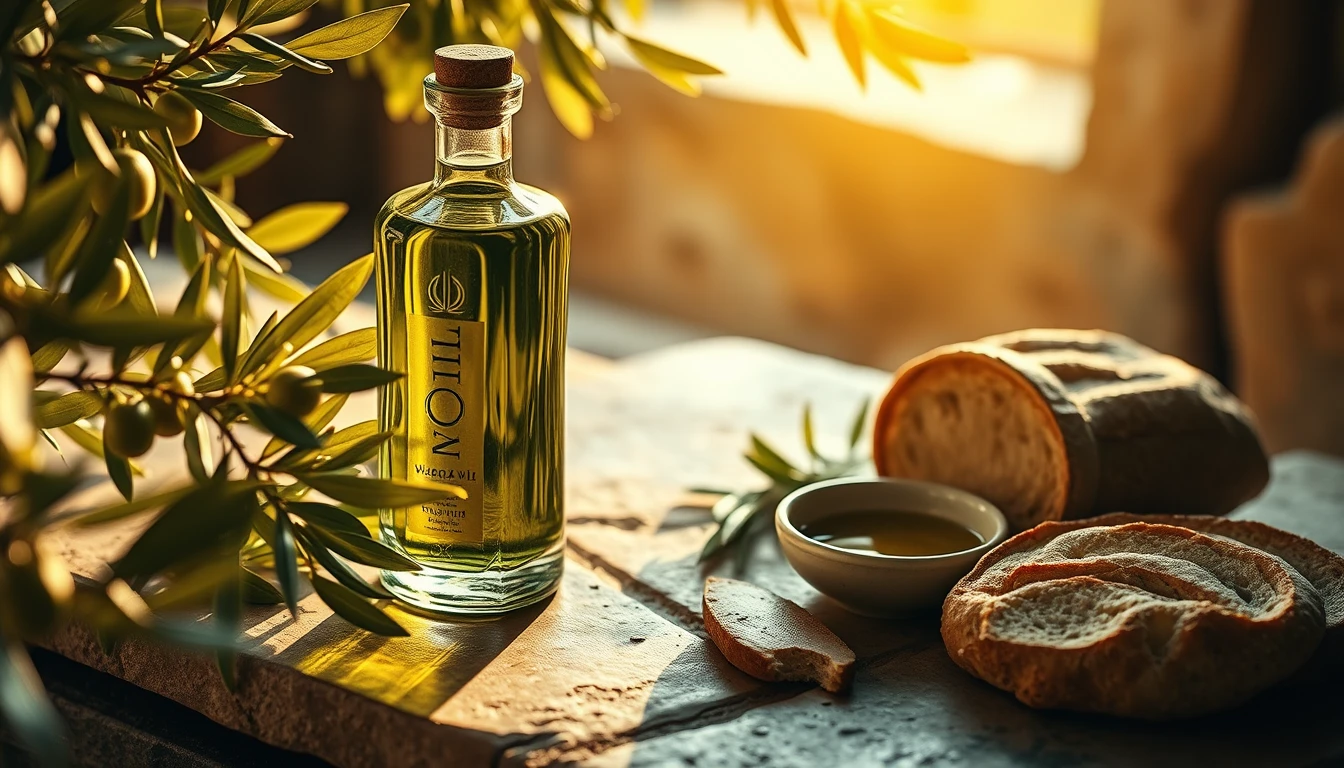
A good gift is remembered because it is both beautiful and useful. A luxury olive oil gift should pass a simple test: would the recipient enjoy opening it? Our answer is yes. An amphora can be displayed, but the oil inside is meant to be tasted, ideally within a few months of breaking the seal.
What to look for in a gift
- Verifiable provenance: estate, valley, vintage.
- Light-proof packaging, never clear glass.
- A small, intentional format that invites tasting, not storage.
- A story you can retell: a harvest, a village, a craft.
- Presentation that does not need extra wrapping to feel considered.
Who it suits
Clients and business partners who value discretion over spectacle; hosts who already have everything; travelers who have walked the streets of Pienza and want a true keepsake; collectors of design objects. A small-format, numbered oil suits all four better than any large gift basket.
Why a 100 ml format makes sense
Value in a limited oil comes from the quantity of olives, the labor of an early harvest, the vessel and the numbered edition, not from volume. A small amphora is also honest about freshness: you will finish it while it is still vibrant, not watch it fade in a pantry.
Five Mistakes When Buying High Polyphenol Olive Oil
- Trusting the word “Tuscan” alone. It describes a mood unless an estate, municipality and harvest year support it.
- Buying clear glass. Light exposure undoes quality before you open the bottle.
- Chasing the biggest polyphenol number. Balance, freshness and traceability matter as much as the figure.
- Ignoring harvest year. Fresh oil is the point; a two-year-old oil has already lost much of its aromatic edge.
- Storing it beside the stove. Heat and light shorten the life of even the finest oil.
Our guiding position is simple: a great oil is judged by light, freshness and provenance, not by the label. We reject oil sold on price alone, vague origin language and unproven health claims, because they hide precisely what a discerning buyer needs to see.
Frequently Asked Questions About High Polyphenol Olive Oil
What is a high polyphenol olive oil?
It is an extra virgin olive oil with a high total phenolic content, usually above 250 to 300 mg/kg. These compounds, including hydroxytyrosol and oleocanthal, are responsible for bitterness, pungency and oxidative stability. They are strongest in early-harvest olives and fade with age and poor storage.
Why would anyone pay a premium for just 100 ml?
Because the value lies in what the 100 ml represents: early-harvested olives, small-batch cold extraction, an opaque hand-finished terracotta vessel, a wax seal and a numbered edition of 100. It is an experience and an object, not a volume purchase, and it is designed to be finished while at its best.
Can I trust the origin of a small Tuscan producer?
Trust comes from specifics. Look for a named estate, a stated harvest year, a numbered piece and a producer who will answer questions about cultivars and milling. Each Eleivas amphora is individually numbered from I to C, which makes every piece identifiable and traceable.
Is the amphora meant to be used or only displayed?
Both, but the oil is meant to be tasted. The amphora is a beautiful object, yet olive oil is a fresh product. Once the wax seal is broken, the oil is best enjoyed within 3 to 4 months for maximum aromatic intensity. Afterwards, the vessel remains a keepsake.
How long does olive oil stay fresh after opening?
Plan on 3 to 4 months for peak aroma, kept cool, dark and well sealed. Unopened and properly stored, quality oil can last 18 to 24 months from bottling, though it is most vibrant in the first year. More detail is in our shelf life guide.
Is terracotta better than glass for storing oil?
Terracotta is better than clear glass because it blocks light completely. Dark glass and stainless steel also protect well. The decisive factor is darkness plus a tight seal, and terracotta adds historical and aesthetic value on top.
How does shipping to the United States work?
Delivery to the US involves international shipping, customs handling and careful packing of a fragile terracotta piece. Specific conditions, timing and responsibilities are set out in the terms and conditions, and the team can confirm details for your address before you commit.
Explore the Eleivas 2026 Limited Vintage
This guide is meant to help you judge any oil with confidence. If you would like to see how these principles come together (early harvest, opaque terracotta, a wax seal, a hand-numbered run of 100 amphorae from Val d’Orcia), visit the Eleivas 2026 Limited Vintage page. To ask about availability, origin or delivery, you can secure your allocation through the contact section.