How Long Can Olive Oil Last? The Short Answer for Tuscan Extra Virgin
A well-made Tuscan extra virgin olive oil keeps for roughly 18 to 24 months from bottling when it is sealed and protected from light and heat. Its aromatic peak, however, is much shorter: the grassy, green, peppery character is at its most vivid in the first 12 months after harvest. Once the seal is broken, the oil is best enjoyed within 3 to 4 months for maximum aromatic intensity.
Olive oil does not spoil the way milk does. It fades. Oxygen, light and warmth slowly dull its fragrance and, eventually, turn it rancid. So the real question is not “when does it expire?” but “when does it stop being remarkable?” This guide answers both, with figures you can check and habits you can adopt tonight.
Shelf life at a glance
- Unopened, stored in the dark at 14–18°C (57–64°F): 18–24 months from bottling, with the best aromatics in the first 12–18 months after harvest.
- Unopened, stored in a warm or bright place: noticeably flatter within 6–9 months.
- Opened, kept tightly closed in a cool, dark cupboard: 3–4 months for full aromatic intensity; up to about 6 months before it is merely acceptable.
- Opened and left near the stove or in a sunny window: weeks, not months.
Harvest Date, Bottling Date and Best-By Date: Reading the Real Clock
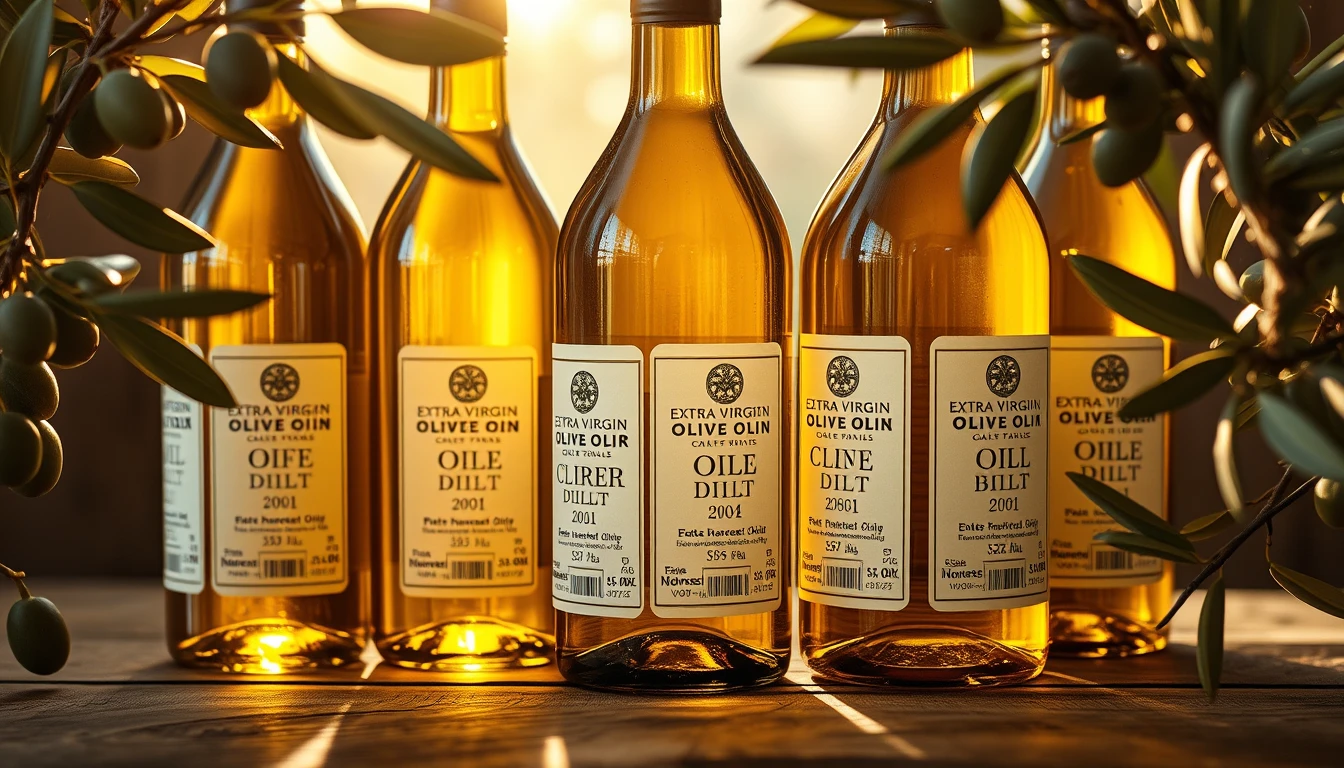
The best-by date printed on a label is a legal convenience. The harvest date is the true starting line. In Tuscany, olives are picked from roughly mid-October to late November, and the oil is pressed within hours. An oil that carries a best-by date of mid-2027 may have been pressed in autumn 2025, which means it is already well into its second year.
What to look for on a label
- Harvest year or exact harvest date: the single most useful piece of information. Prefer the most recent harvest.
- Bottling date or lot number: shows how long the oil waited in tank before reaching its vessel.
- Named estate and mill: a verifiable origin, not a vague “Product of Italy” or “Tuscan style”.
- Opaque or dark container: a sign that someone thought about light.
A label with a best-by date only, no harvest year and a clear glass bottle tells you little about what is inside. A label with a harvest year, a named estate and a lot number tells you almost everything.
What Actually Ages Olive Oil: Oxygen, Light, Heat and Time
Oxidation is the chemical reaction between the oil’s fats and oxygen. It is the main reason olive oil loses its character, and it is accelerated by three forces.
- Oxygen: every time a bottle is opened, air enters. A half-empty bottle holds more air than a full one, so it ages faster.
- Light: ultraviolet and visible light trigger photo-oxidation. Oil in clear glass under shop lighting can degrade in a matter of weeks.
- Heat: as a rule of thumb, oxidation speeds up considerably above 25°C (77°F). A cupboard beside the oven can easily exceed it.
The numbers behind “extra virgin”
Under European Union rules, an oil may be sold as extra virgin only if its free acidity is no higher than 0.8% and its peroxide value, a measure of early oxidation, does not exceed 20 milliequivalents of active oxygen per kilogram. It must also pass a sensory panel test showing no defects and some fruitiness. A freshly pressed Tuscan oil typically measures far below the peroxide ceiling. Over time the figure climbs; when it crosses the threshold, the oil can no longer legally be called extra virgin, whatever the label says.
Polyphenols and Freshness: Why Bitter, Peppery Oils Hold Their Character
Polyphenols are naturally occurring phenolic compounds in olives, such as hydroxytyrosol and oleocanthal. They are responsible for much of the bitterness and the peppery throat sensation of a young oil, and they act as natural antioxidants within the oil itself, slowing its own oxidation. In practical terms, oils richer in these compounds tend to keep their vigor longer than milder ones.
Polyphenol content is highest at harvest and declines steadily with time, heat and light exposure. That is why a green, bitter oil from early picking tastes dramatically different at month 3 and at month 20. It is also why we avoid unproven claims: a polyphenol figure on a label is only meaningful if it comes with an analysis date and a laboratory report, and we make no medical promises about it. What polyphenols give you, reliably and verifiably, is flavor and stability.
For a deeper look at how to read these signals, see our companion guide, High Polyphenol Olive Oil: The Complete Guide to Choosing, Tasting and Keeping Tuscan Extra Virgin.
Clear Glass, Dark Glass, Tin or Terracotta: Which Vessel Protects Best
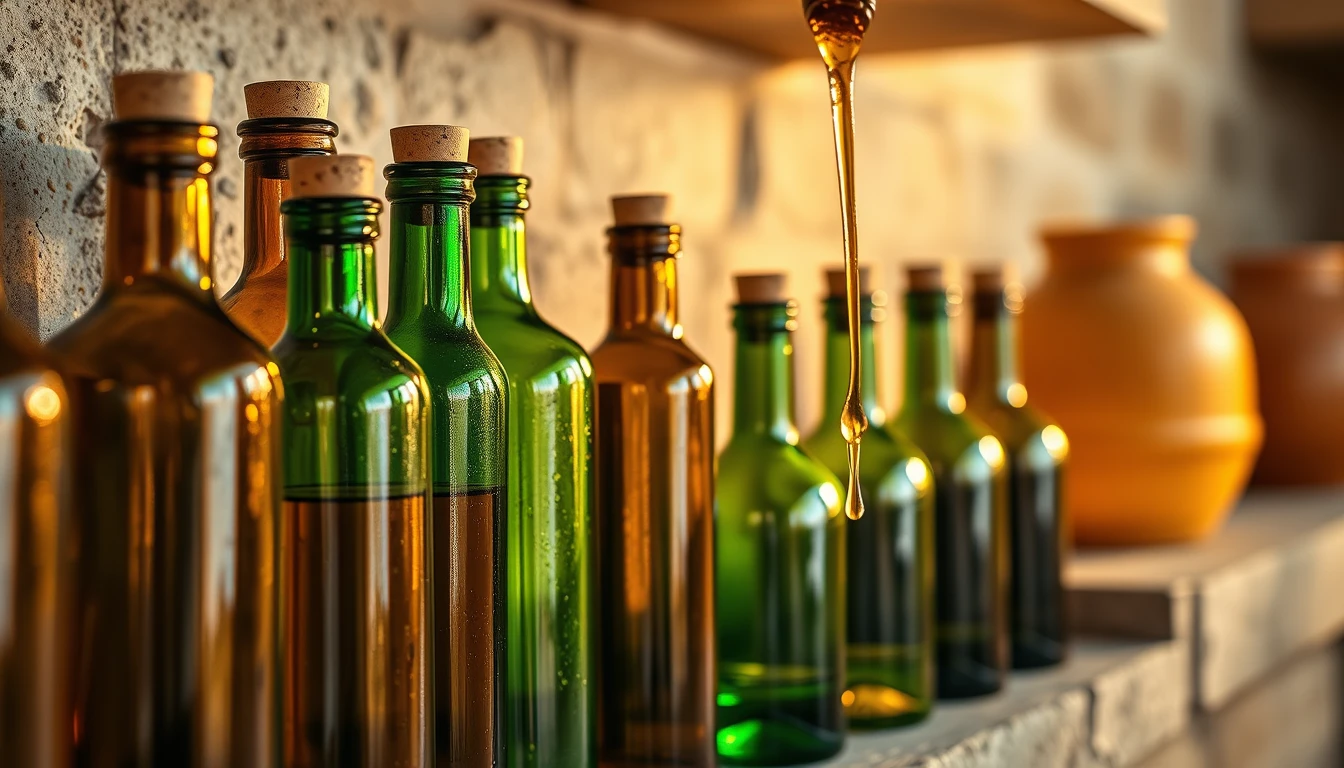
The container matters almost as much as the oil. Our firm position: light is the enemy, and clear glass is its accomplice. A transparent bottle may look beautiful on a shelf, but it lets in the very wavelengths that age oil fastest.
- Clear glass: the weakest option. Attractive, but offers no protection from light.
- Dark green or amber glass: a sound choice; it filters most light, though not all.
- Stainless steel or lacquered tin: excellent light and oxygen protection, but purely functional.
- Opaque terracotta: blocks light completely, keeps a stable, cool temperature in the cupboard, and carries a thousand years of Mediterranean tradition.
Why terracotta makes sense
Clay vessels have held oil since the Etruscans and Romans shipped it in amphorae across the Mediterranean. The principle was practical before it was beautiful: an opaque, thick-walled vessel buffers light and temperature swings. The Eleivas 2026 Limited Vintage follows this logic in miniature: a hand-thrown terracotta amphora of 100 ml, closed with a wax seal, so that the oil meets neither light nor air until the day it is opened.
How Long Olive Oil Lasts After Opening: The 3–4 Month Window
Breaking the seal starts a new clock. From that moment, oxygen enters with every pour, and the delicate aromatic compounds, those cut-grass, artichoke and green almond notes, begin to soften first. Flavor fades well before the oil turns rancid.
A realistic timeline after opening
- Weeks 1–4: full fragrance, clear bitterness and pungency.
- Months 2–4: still vivid, with the aromatic top notes gradually rounding off. This is the window we recommend for maximum intensity.
- Months 4–6: pleasant but plainer; better for cooking finishes than for tasting.
- Beyond 6 months: risk of stale or waxy notes, especially if the vessel has been warm or half empty.
Why a small format helps
A large container invites slow consumption, and slow consumption means months of air exposure. A 100 ml amphora is meant to be finished while the oil is still at its best: a few drops over burrata, grilled bread, white beans or a ripe tomato, one dish at a time. At roughly 5 ml per finishing drizzle, 100 ml gives around 20 deliberate servings, comfortably within the 3–4 month window.
Storing Tuscan Olive Oil at Home: Temperature, Position and Habits
Good storage requires no equipment, only a few consistent habits.
- Keep it cool: an ideal range is 14–18°C (57–64°F). A pantry or lower cupboard away from appliances works well.
- Keep it dark: even an opaque vessel should not sit in direct sun.
- Close it right after use: every minute open is oxygen gained.
- Never store it above the stove: the most common error, and the most damaging.
- Do not top up old oil with new: fresh oil inherits the age of the old.
What about the refrigerator?
Refrigeration is not harmful, but it is rarely necessary. Below about 7°C (45°F), the oil clouds and thickens as its natural waxes and fats begin to solidify. This is reversible: leave it at room temperature for an hour and it clears. For an oil you will finish in a few months, a cool cupboard is simpler and preserves the aroma better, since cold dulls what you smell at the table.
Signs Your Olive Oil Has Gone Rancid: A Simple Sensory Test
You do not need a laboratory to judge freshness. Pour a teaspoon into a small glass, cup it in your palm for a minute to warm it, then smell and taste.
- Fresh: green, grassy, fruity aromas; a clean bitterness at the back of the tongue and a peppery tickle in the throat.
- Fading: faint, neutral, almost no scent; flavor feels flat or merely oily.
- Rancid: smells of crayons, putty, old walnuts or stale nuts; leaves a greasy, sour finish.
Rancid oil is unpleasant rather than dramatic, but it has lost everything that made it worth pouring. If it smells of cardboard or wax, retire it to cleaning wooden boards and buy a fresh harvest. For more tasting technique and practical guides, visit our blog.
Early Harvest, Olio Novello and Monocultivar: How Origin Shapes Longevity
Not all Tuscan oils age equally. Choices made in the grove and at the mill, long before bottling, determine how gracefully an oil will travel through time.
Early harvest and olio novello
Early harvest means picking olives while still green or just turning, often in October. Yields are lower, but the oil is rich in polyphenols, hence more bitter and pungent, and usually more stable. Olio novello is the first oil of the season, bottled almost directly from the press. It is spectacular, vivid green and exuberant, and should be enjoyed within a few months rather than cellared.
Cultivars and cold extraction
Tuscany’s classic cultivars are frantoio, leccino and moraiolo. Moraiolo is known for intensity and bitterness, frantoio for fragrant green fruitiness, and leccino for a softer, sweeter profile. A blend or monocultivar bottling expresses these differences. Equally important is cold extraction: pressing and malaxing below 27°C (80°F), the legal threshold for the “cold extracted” claim in the EU, to preserve aromatics.
Provenance you can verify
The Toscano IGP designation protects the name of Tuscan oil, and a single estate bottling lets you trace the olives to one land. In the Val d’Orcia, around Pienza, groves sit among clay hills and cypress-lined roads, a landscape inseparable from the oil. Whatever the designation, demand a named producer, a harvest year and a lot number. That is what separates provenance from a postcard.
Keep It or Use It? Collectible Oil, Gifting and the Value of Time
A frequent question about limited-edition oil: is it for display or for the table? Our answer is unambiguous. It is meant to be opened. Unlike wine, olive oil does not improve in the bottle. Every month in the cellar is a month of fragrance lost. The object can be kept, the oil should be savored.
A sensible rhythm for a collector’s piece
- Display the sealed amphora away from windows for the first few months if you wish to admire the wax seal and the engraving.
- Open it within 12–18 months of harvest for the freshest experience.
- Finish it within 3–4 months of opening.
- Keep the vessel afterwards: a numbered terracotta piece remains a keepsake long after the last drop.
Giving it well
For a gift, tell the recipient two things: when to open it, and how to keep it. The Eleivas 2026 Limited Vintage is a run of only 100 hand-numbered amphorae, each engraved with a Roman numeral from I to C. A numbered piece with a clear instruction card turns a gesture into something personal, and ensures the oil is tasted at its best rather than forgotten on a shelf.
Frequently Asked Questions About How Long Olive Oil Lasts
How long does unopened Tuscan extra virgin olive oil last?
Typically 18–24 months from bottling if stored in the dark at 14–18°C. The aromatic peak, though, falls within the first 12–18 months after harvest, so choose the most recent harvest year available.
How long does it stay fresh once the seal is broken?
For maximum aromatic intensity, enjoy it within 3–4 months. It remains acceptable for up to about 6 months if tightly closed and kept cool, though its character gradually softens. Our 100 ml format is designed to be finished within this window.
Why pay a premium for just 100 ml?
Because the value lies in what the 100 ml contains and protects: a single harvest, a traceable estate, a light-proof hand-thrown vessel and a numbered edition. It is a finishing oil, used in drops at the moment of tasting, not a volume product. You are choosing intensity, provenance and freshness rather than quantity.
Can I trust the origin and authenticity of a small Tuscan producer?
Ask for verifiable details: named estate, harvest year, lot or serial number, and the location of the mill. Be wary of vague “Tuscan” wording with none of these. A small numbered edition, such as 100 amphorae each engraved I to C, makes every piece individually identifiable.
Is it meant to be used, or only collected and displayed?
Used. Olive oil does not improve with age, so the amphora is a vessel to admire sealed and then open. Once opened, enjoy the oil within 3–4 months, and keep the terracotta as a memento.
Should I refrigerate olive oil to make it last longer?
It is not necessary. A cool, dark cupboard is better for a bottle you will finish within months. If refrigerated, the oil clouds below about 7°C, which is harmless and reverses at room temperature, but cold mutes aroma.
How do I know if my olive oil has gone rancid?
Smell and taste a warmed teaspoon. Notes of crayon, putty, stale walnuts or a greasy, sour finish indicate rancidity. A faint, flat aroma means the oil is merely past its prime.
What about shipping, customs and safe delivery to the United States?
Delivery terms, shipping responsibilities and customs conditions for international orders are set out in our terms and conditions. For questions specific to your address, contact us before ordering so that the amphora arrives safely and in time for the occasion.
Learn More About the Eleivas 2026 Limited Vintage
Understanding how long olive oil can last changes how you buy, store and give it: look for the harvest date, respect light and heat, and open with intention. If you would like to see how these principles come together in a single object, discover the Eleivas 2026 Limited Vintage, a hand-numbered terracotta amphora of 100 ml, limited to 100 pieces. To ask a question or reserve a piece, you can secure your allocation.