The Short Answer: How Long Tuscan Extra Virgin Olive Oil Really Lasts
A well-made Tuscan extra virgin olive oil keeps for roughly 18 to 24 months from bottling when it is sealed and protected from light and heat. Once the seal is broken, it is best enjoyed within 3 to 4 months for maximum aromatic intensity.
Olive oil does not spoil the way milk does. It fades. Oxygen, light and warmth slowly dull its fragrance and, in time, turn it rancid. So the useful question is not “when does it expire?” but “when does it stop being remarkable?” The sections below answer that precisely. For the full picture, our pillar guide, How Long Can Olive Oil Last? The Complete Guide to Tuscan Extra Virgin Shelf Life, goes deeper into every variable.
Unopened Tuscan Extra Virgin: Why the Harvest Date Is the Real Clock
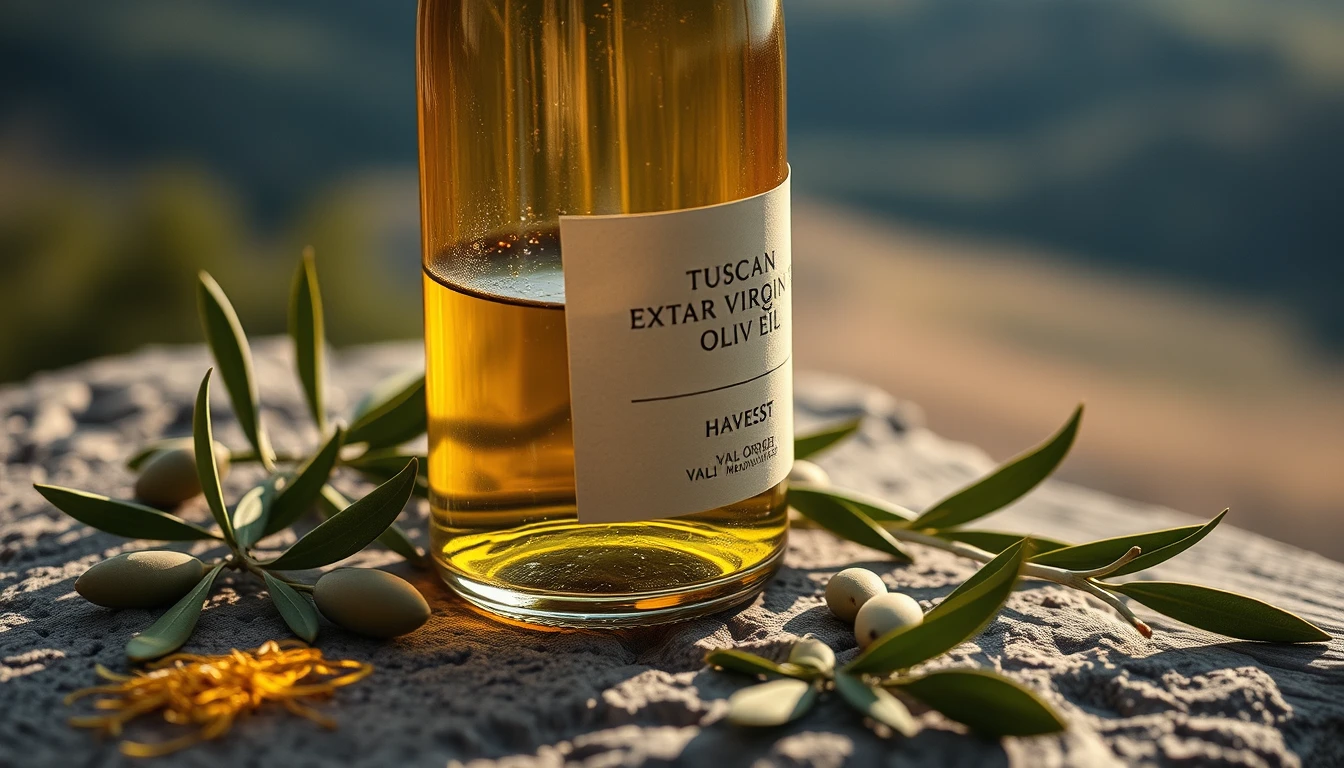
The best-by date on a label is a legal convenience. The harvest date is the true starting line. In Tuscany, olives are picked from roughly mid-October to late November, and the oil is pressed within hours. From that moment, the green, grassy, peppery character begins a slow descent.
Three dates matter, and they are not the same:
- Harvest date: when the olives were picked. The aromatic peak sits in the first 12 months after it.
- Bottling date: when the oil was put into its final container. The 18–24 month window is counted from here.
- Best-by date: a regulatory estimate, often printed with no reference to how the oil was kept.
My advice is plain: buy oil that tells you its harvest year, and treat anything that does not as a question mark. A vague “Tuscan” label with no verifiable origin or harvest is not a bargain of mystery; it is a lack of information. If provenance is your priority, read what single estate olive oil means, because a single estate is the easiest kind to verify.
After the Seal Is Broken: How Long Opened Extra Virgin Stays at Its Best
Opening a bottle introduces oxygen, and oxygen is the slow enemy of freshness. The clock accelerates, though not dramatically if you keep the oil well.
| Condition | What to expect |
|---|---|
| Unopened, dark, 14–18°C (57–64°F) | 18–24 months from bottling; best aromatics in the first 12–18 months after harvest |
| Unopened, warm or bright place | Noticeably flatter within 6–9 months |
| Opened, tightly closed, cool dark cupboard | 3–4 months at full aromatic intensity; up to about 6 months before it is merely acceptable |
| Opened, near the stove or in a sunny window | Weeks, not months |
Three habits that protect an opened vessel
- Close it immediately after pouring. Every minute open is a small loss of fragrance.
- Keep it away from the stove, kettle and dishwasher. Heat is quieter than light, but just as damaging.
- Use it with intent. A fine oil belongs on a warm bean soup, a slice of grilled bread, a ripe tomato. Spend it while it is vivid.
This is why small formats make sense for a finished, character-rich oil. A large tin sits half-empty for a year; a small vessel is finished while the aroma is still green and bright.
Light and Heat: Why Terracotta Protects Better Than Clear Glass
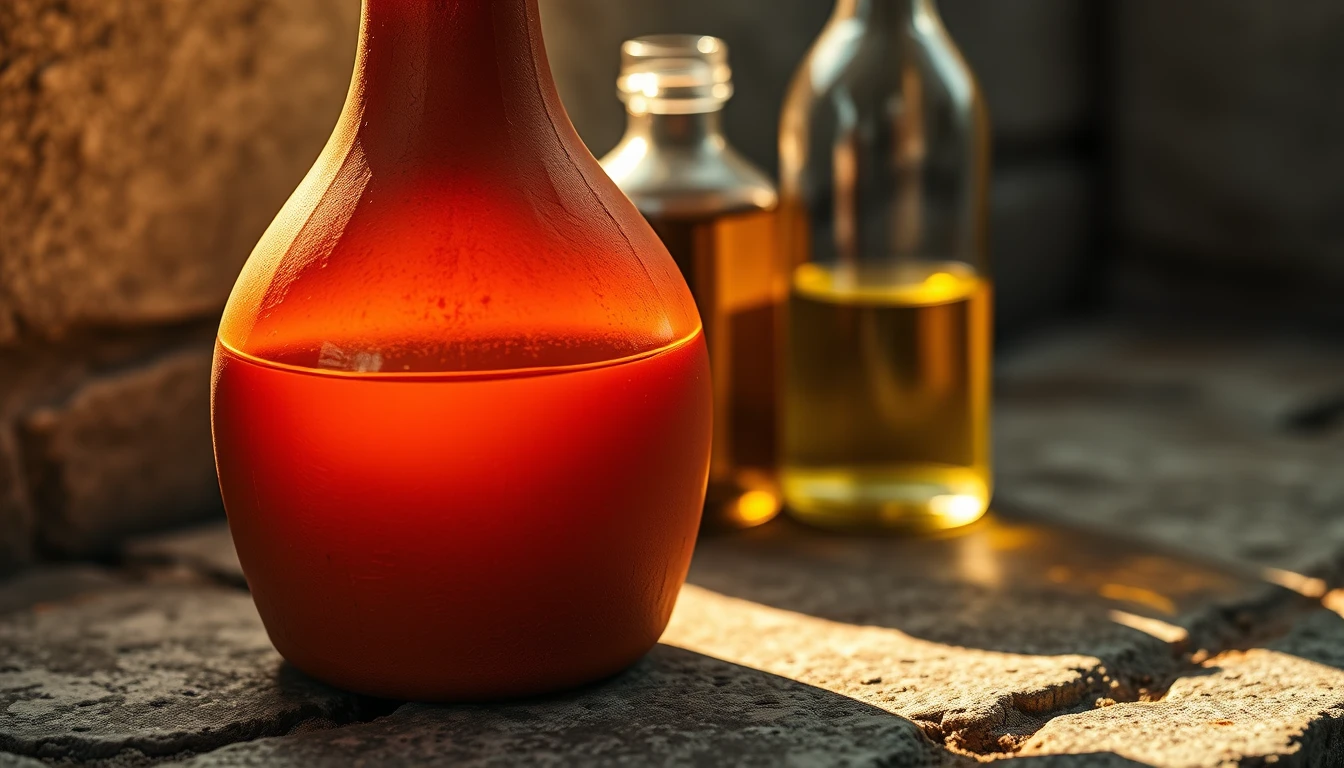
Light is the factor most buyers overlook. Clear glass is beautiful on a shelf, and it is a poor home for oil. Light, especially in the blue and ultraviolet range, speeds up oxidation, which strips away the aromatic compounds first and leaves a dull, flat oil long before the date on the label.
Our position is simple: a great oil is judged by light, freshness and provenance, not by the label. Most oil sits in clear glass under bright shop lighting, and it loses its character before it is ever poured. That is why we reject clear bottles outright.
What polyphenols have to do with it
Polyphenols are natural phenolic compounds found in olives, including hydroxytyrosol and oleocanthal. They contribute the bitterness and the peppery bite at the back of the throat, and they are associated with an oil’s resistance to oxidation. A robust early-harvest oil tends to hold its character longer. We make no medical claims about them; their value here is sensory and practical. If you want to explore the subject, see how to recognise a high-oleocanthal oil.
Why an opaque vessel helps
Terracotta blocks light completely. Its thick walls also buffer sudden temperature swings, so the oil is not heated and cooled with each passing day. Stainless steel and dark glass also do the job; clear glass does not. Terracotta has an added advantage: it is the oldest container in Mediterranean history. Etruscan and Roman cellars kept oil in fired clay for the same reason, long before anyone could measure peroxides in a laboratory.
How to Tell When Extra Virgin Has Gone Rancid or Flat
Rancidity is the chemical breakdown of oil’s fats through oxidation. It is not dangerous in the way spoiled food can be, but it ruins the experience. Your nose and palate are the only tools you need.
The smell test
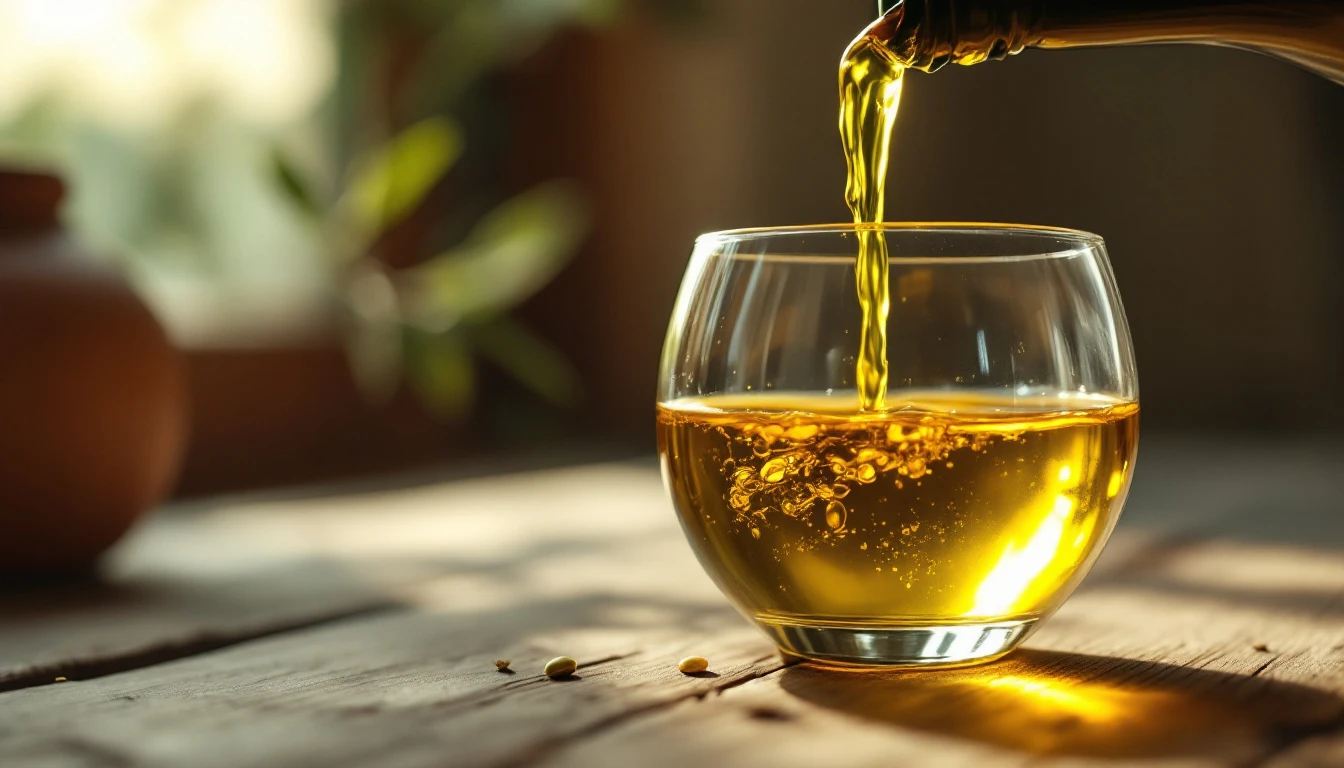
Pour a spoonful into a small glass, cup it in your palm to warm it, and breathe in. Fresh Tuscan oil smells of cut grass, green tomato, artichoke or fresh almond. Oil past its best smells of wax crayons, putty, stale walnuts or old frying fat.
The taste test
Sip, then draw a little air across your tongue. Good extra virgin shows bitterness on the tongue and pungency, a peppery tickle, in the throat. A tired oil tastes greasy and round, with neither. If both have vanished, the oil is past its prime for finishing, though it may still serve in cooked dishes.
A flat oil is not an emergency. It is simply a reason to stop treating it as the star of the plate. For a closer look at what to expect from a character-rich oil, see our guide to limited edition olive oil worth keeping.
Is a 100 ml Amphora Meant to Be Kept or Used? Shelf Life and Limited Editions
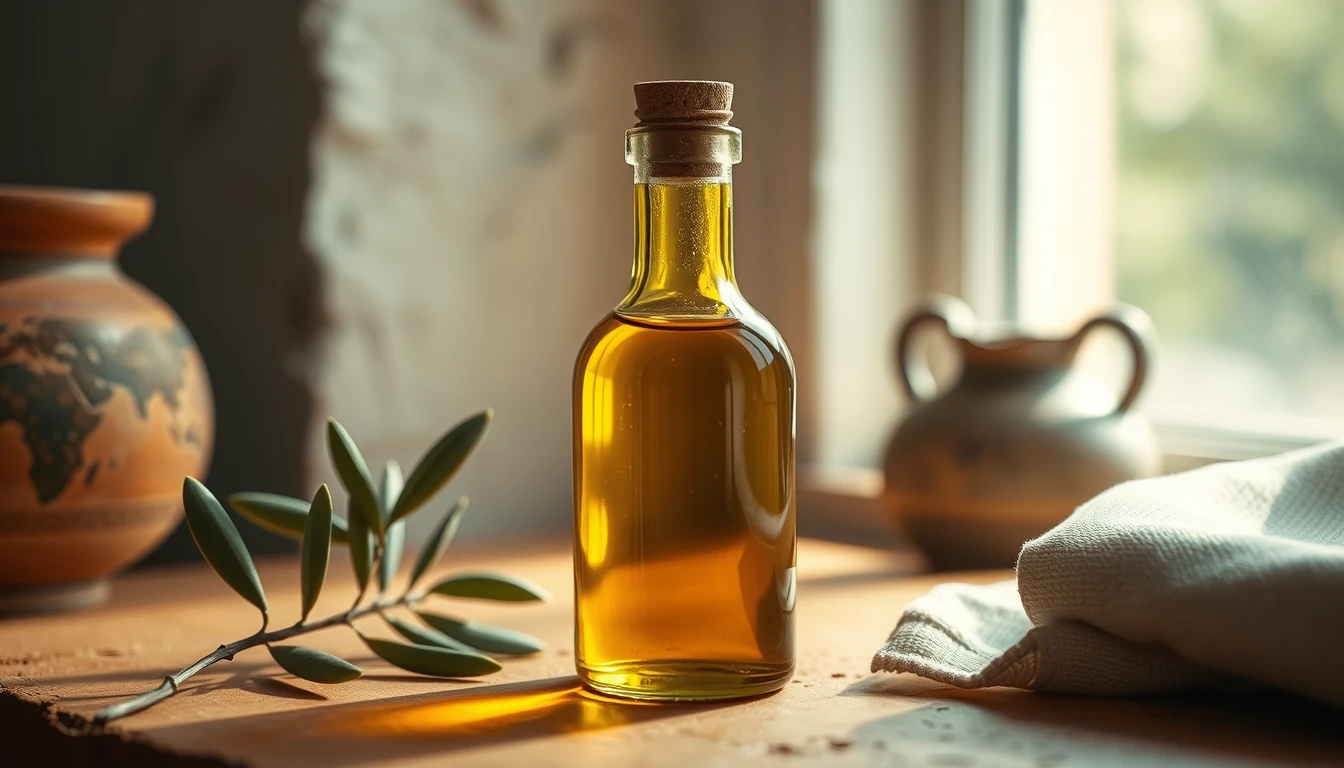
This is the most common question we hear, and the honest answer is: both, in sequence. The Eleivas 2026 Limited Vintage is a run of 100 hand-numbered terracotta amphorae of 100 ml each, engraved by hand with Roman numerals from I to C. Sealed with wax, the vessel is a collectible object. Unsealed, it is an oil meant to be tasted.
The logic follows the shelf-life figures above:
- Sealed and stored in the dark, the amphora keeps its character for the long window described earlier. Display it on a cool shelf away from sun, not on a radiator or beside a window.
- Once the wax seal is broken, the oil is best enjoyed within 3 to 4 months for maximum aromatic intensity.
Why 100 ml? Because a small quantity of fine oil is finished while it is still vivid. It is the opposite of the large tin that dulls in a cupboard. Think of it the way you would a bottle of rare vinegar or a fine perfume: the measure is the point, and each drop is meant to be noticed.
For a gift, this removes the guesswork. The recipient receives a numbered, verifiable object with a clear window of enjoyment, not an anonymous bottle that quietly fades in a pantry. If you want the broader reasoning behind choosing Tuscan oil by origin, freshness and craft, secure your allocation of the Eleivas 2026 Limited Vintage while numbers remain; with only 100 amphorae, once a numeral is taken it is gone.
Frequently Asked Questions
How long can Tuscan extra virgin olive oil last unopened?
Roughly 18 to 24 months from bottling when stored in the dark at about 14–18°C (57–64°F). The aromatic peak is shorter, in the first 12 to 18 months after harvest.
How long does olive oil last after opening?
It is best within 3 to 4 months for maximum aromatic intensity, and acceptable for up to about 6 months if kept tightly closed in a cool, dark cupboard.
Does olive oil expire or go bad?
It does not spoil like milk; it fades. Oxygen, light and warmth dull its fragrance and eventually make it rancid.
How can I tell if my olive oil has gone rancid?
Smell for crayons, putty or stale nuts, and taste for the absence of bitterness and pungency. Fresh oil smells of cut grass or green tomato and bites gently at the throat.
Why is terracotta better than clear glass?
Terracotta is opaque and buffers temperature swings, so it protects against light and heat, the two main drivers of oxidation. Clear glass offers no protection from light.