High Polyphenol Olive Oil Defined: Hydroxytyrosol, Oleocanthal and the Numbers
High polyphenol olive oil is extra virgin olive oil with an unusually high concentration of phenolic compounds, generally above 250 mg/kg and, in robust early-harvest oils, often 400 to 600 mg/kg or more. These molecules give the oil its green bitterness and peppery bite, and they help it resist oxidation. No legal category called “high polyphenol” exists: the term is descriptive, and it means something only when a laboratory analysis, a harvest date and a protective container stand behind it.
The practical rule is simple. A trustworthy high polyphenol olive oil names its estate, its harvest year and its cultivars, shows a phenolic analysis for that specific lot, and is sold in a vessel that keeps out light. Everything below explains why each of those details matters, and how to judge them without a chemistry degree.
The compounds that shape the oil
- Oleuropein: the bitter compound abundant in young olives, which breaks down as the fruit ripens and during extraction.
- Hydroxytyrosol and tyrosol: simple phenols formed as oleuropein degrades; they contribute to the oil’s stability and its long, clean finish.
- Oleocanthal: the compound behind the peppery sting at the back of the throat, identified by sensory researchers in 2005.
- Oleacein: a close relative of oleocanthal, linked to green, bitter and pungent notes.
Reading the numbers honestly
Trade professionals loosely sort oils into bands: under 150 mg/kg is low, 150 to 300 moderate, 300 to 500 high, and above 500 very high. These are informal conventions, not regulations. The figure 250 mg/kg appears in European labelling rules as a threshold for one specific authorised claim; we do not make health claims about polyphenols and you should be wary of anyone who does. What the numbers do tell you, reliably, is how much structure, bitterness and keeping power an oil carries.
Why Polyphenols Matter for Flavor and Freshness
Polyphenols are, first of all, a matter of taste. They are the reason a freshly milled Tuscan oil tastes of cut grass, artichoke and green almond rather than of nothing in particular. An oil without bitterness or pungency is not “gentler”; it is usually older, over-ripe or already oxidized.
Antioxidants that protect the oil itself
Olive oil degrades through oxidation, accelerated by light, heat and oxygen. Phenolic compounds, together with tocopherols, act as the oil’s own defense and slow that process. That is why a high polyphenol olive oil tends to hold its aroma longer than a low-phenol one stored identically, though no oil is immune to poor storage.
Polyphenols as a freshness signal
Phenolic content falls steadily after milling. An oil that was intensely green and pungent at harvest can lose a large share of its bitterness within 12 to 18 months. Bitterness and pungency on the palate are therefore a quick, sensory freshness test: if they are absent in an oil sold as “robust,” something has gone wrong in the bottle or the warehouse.
What Makes an Oil High in Polyphenols: Cultivar, Early Harvest and Cold Extraction
Polyphenol levels are not an accident. They are decided in the grove and at the mill, by four factors that a serious producer controls and can explain.
Cultivar
Some olive varieties are naturally rich in phenols. In Tuscany, Moraiolo is known for intensity, bitterness and pungency, Frantoio for balanced, peppery fruitiness, and Leccino for a softer, sweeter profile that rounds off a blend. A producer should be able to name which cultivars are in the bottle and in what proportion.
Early harvest
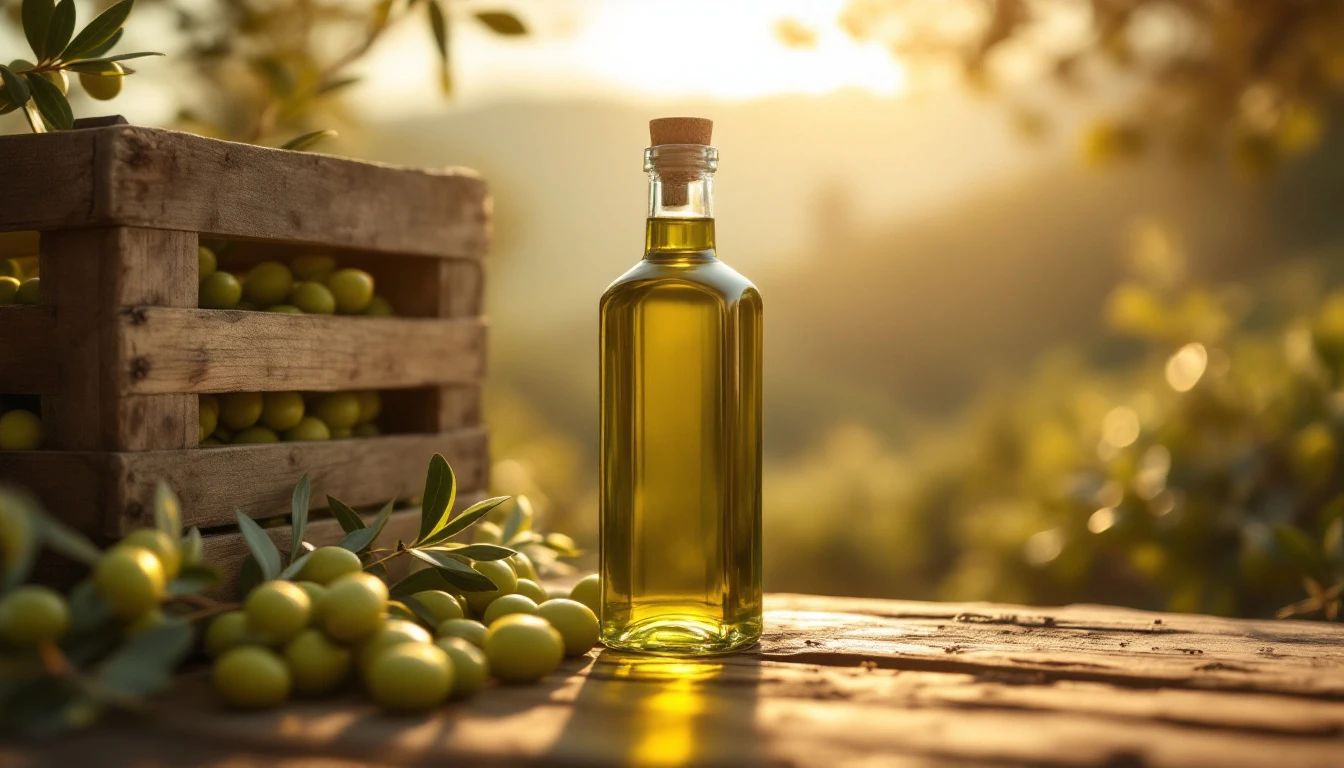
Olives picked in October, while still green or just turning violet, carry far more phenols than olives harvested in December. The trade-off is yield: early fruit gives less oil, often needing around 10 kg of olives or more for a single liter. This is the honest reason early-harvest oil is rare.
Cold extraction
Under European rules, cold extraction means the olive paste is never allowed above 27 °C during processing. Heat speeds oil release but strips aroma and phenols. Milling within hours of picking, at low temperature, preserves both.
Olio novello
Olio novello is the first oil of the season, bottled within days of milling, usually in November. It is vivid, green and often cloudy, and at its peak in polyphenols and pungency. It is meant to be enjoyed young, within a few months, not cellared.
How to Verify a High Polyphenol Olive Oil: Labels, Lab Analysis and Traceability
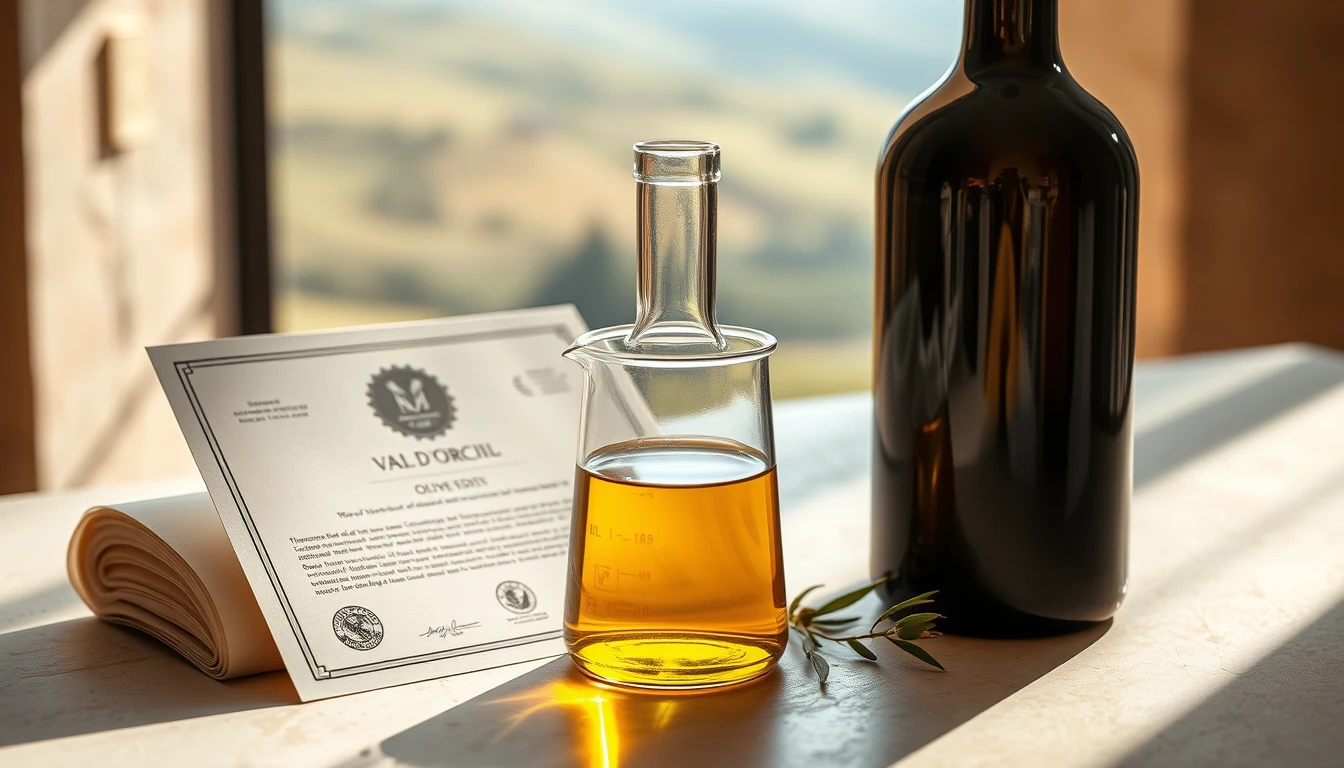
A premium price tag proves nothing. Verification does. Before trusting a high polyphenol claim, look for these elements.
- Harvest year, not just a “best before” date. Freshness is measured from the harvest.
- Named estate and mill, with a location you can find on a map.
- Cultivars listed rather than a generic “blend of olives.”
- A lot-specific analysis: total phenols (ideally by HPLC), free acidity (extra virgin must be at or below 0.8%) and peroxide value (at or below 20 meq O₂/kg; the best oils sit far below).
- Protective packaging: opaque or dark, never clear glass.
- Batch identification: a lot number or, in a limited release, an individual number.
Certifications: check, don’t assume
Designations such as Toscano IGP or organic certification are only meaningful if the producer can show the documentation. If a label does not state a certification, do not assume it. At Eleivas we state only what we can verify, and we think every buyer should expect the same standard from every producer.
Tuscan Extra Virgin Olive Oil: What Actually Makes It Tuscan
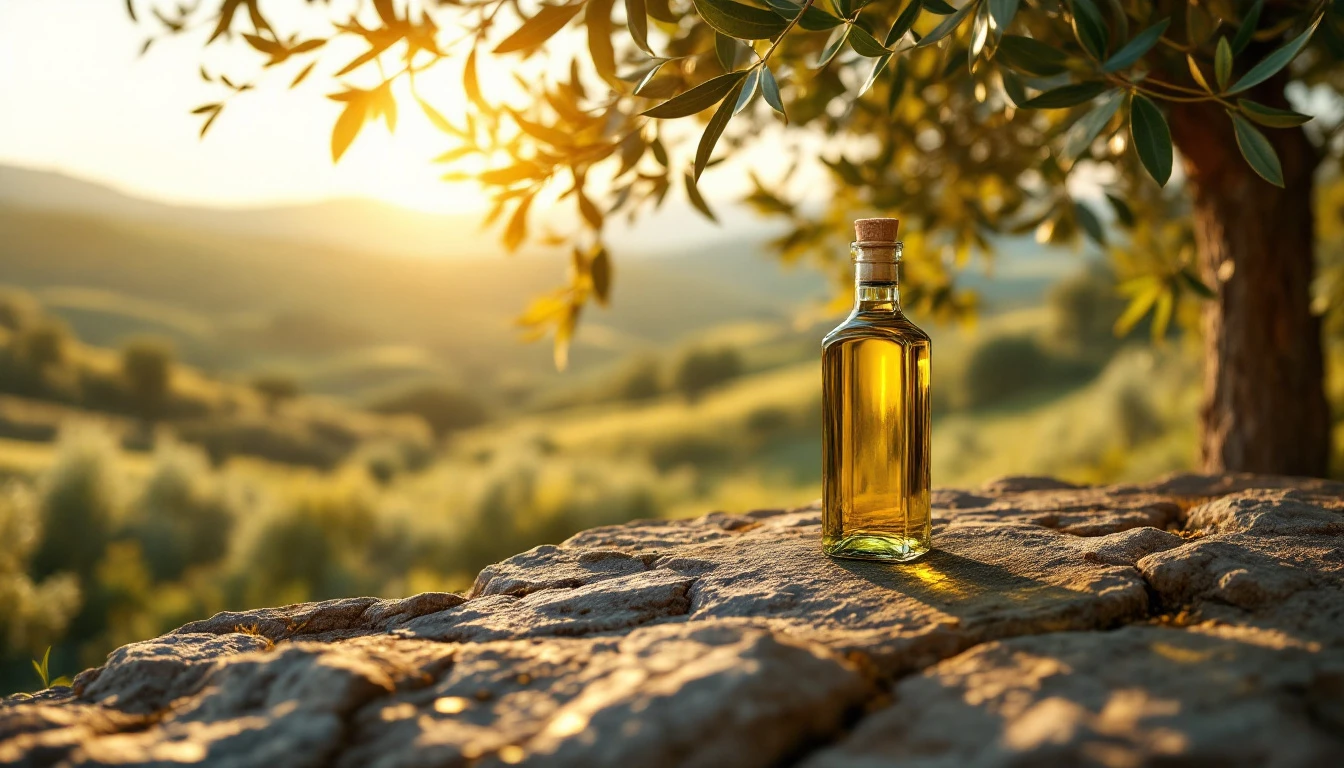
“Tuscan” is among the most abused words on olive oil labels. A bottle can carry it on the front while the olives come from elsewhere and are only bottled in Italy. Real Tuscan extra virgin olive oil means olives grown, harvested and milled in Tuscany, in a landscape of hillside terraces where cold nights and bright days slow ripening and concentrate flavor.
The Toscano IGP
The Toscano IGP (Protected Geographical Indication), recognized by the European Union since the late 1990s, ties the oil to Tuscan origin and to a specification covering olive varieties and production. It is a useful guarantee. It is not the only route to excellence, and it is not the only one that deserves trust: a small single-estate producer with traceable lots and open analyses can offer equal or greater transparency.
The classic Tuscan profile
- Aroma: cut grass, artichoke, green tomato leaf, almond.
- Bitterness: clear, clean, never harsh.
- Pungency: a peppery tingle that builds in the throat and makes you cough once or twice.
Val d’Orcia and Pienza: A Terroir for Concentrated Oils
Val d’Orcia, a UNESCO World Heritage landscape since 2004, is a sequence of clay hills, cypress lines and silver olive groves in southern Siena province. The altitude and the wide temperature swings between day and night suit slow, aromatic ripening. Pienza, the Renaissance town designed by Pope Pius II in the 1460s and inscribed by UNESCO in 1996, sits at the heart of it.
Why a single estate matters
Single-estate olive oil comes from groves owned or managed by one producer and milled as one lot. It gives you a verifiable chain: you can name the hill, the harvest and the year. A monocultivar oil adds another layer, showing the personality of one variety; a blend of Moraiolo, Frantoio and Leccino, by contrast, aims at balance. Both are legitimate. Neither is better than the other, but each should be declared honestly.
Provenance as a form of respect
Provenance is more than a marketing argument. In a small, hand-managed grove, the timing of harvest, the speed to the mill and the choice of lot can be decided by someone who tastes the oil every week. That human attention is what a numbered, limited release is meant to preserve.
How to Store Olive Oil: Light, Heat, Oxygen and the Case for Terracotta
Storage decides whether a high polyphenol olive oil keeps its character. Three enemies matter: light, heat and air.
- Light: clear glass lets visible and UV light through, and chlorophyll in the oil then accelerates photo-oxidation. Much of the oil’s character can fade in weeks on a bright shelf.
- Heat: the ideal range is roughly 14 to 18 °C. Above 25 °C, aroma deteriorates faster. Do not store oil beside the stove.
- Oxygen: every time a container is opened, air enters. Smaller formats, finished within weeks, reduce that exposure.
Terracotta versus glass
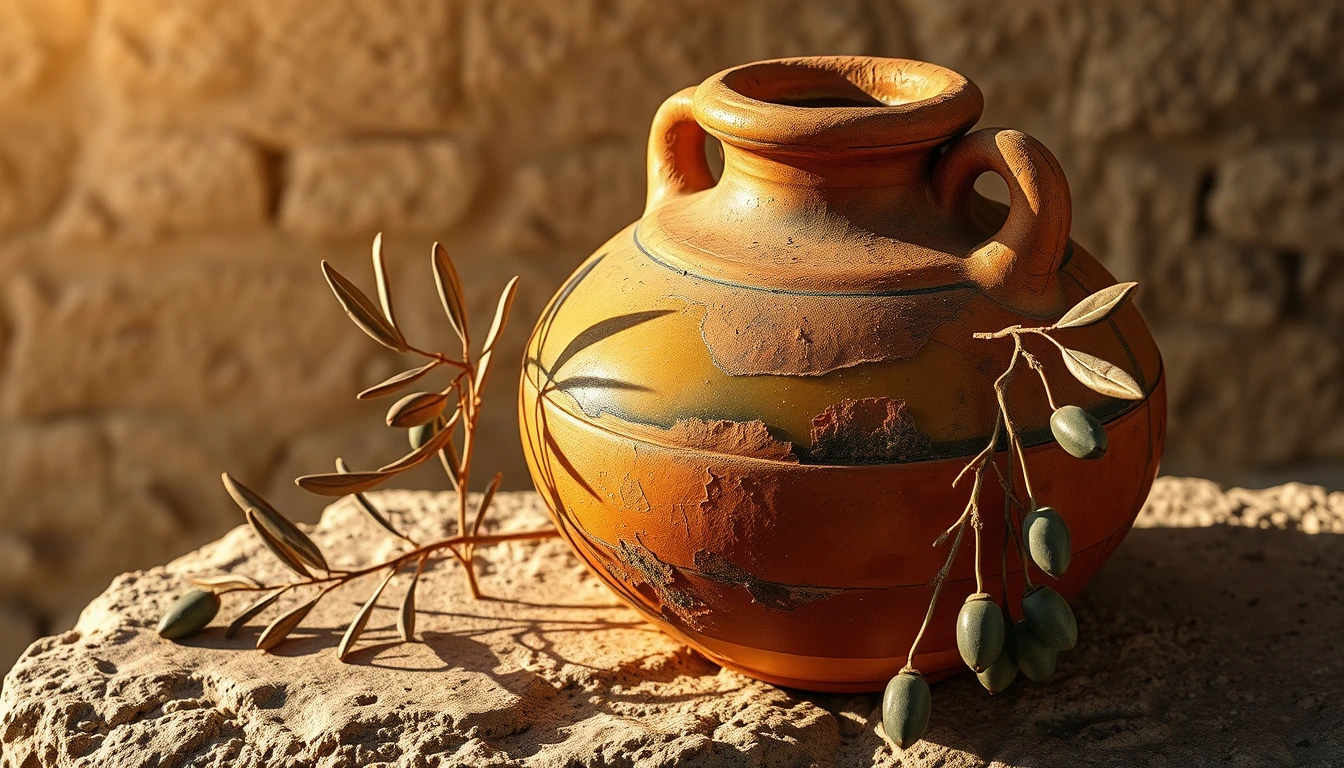
Dark glass is a sound protective choice. Terracotta goes further: it is wholly opaque and, being fired clay, buffers temperature swings better than thin glass. This is the logic of the Eleivas 2026 Limited Vintage, which is sealed in a hand-numbered terracotta amphora. Our position is plain: a great oil should be protected from light from the moment it is bottled, and a clear bottle contradicts that.
How long does it last?
Unopened and stored well, quality oil keeps its best for roughly 18 to 24 months from harvest, with intensity softening gradually. Once the seal is broken, aim to enjoy it within 3 to 4 months for maximum aromatic intensity. Keep the vessel closed, cool and away from sunlight between uses.
How to Taste Olive Oil: Aroma, Bitterness and Pungency
Professional panels judge oil on three attributes: fruitiness, bitterness and pungency. You can do the same at home in a minute, with no equipment beyond a small glass.
A five-step tasting
- Warm it: pour a teaspoon into a small glass, cup it in your palm for a minute and cover it.
- Smell: uncover and inhale deeply. Look for fresh grass, leaf, artichoke, almond. Musty, rancid or “crayon” smells are defects.
- Sip: take a small amount and draw in some air across the tongue.
- Locate the bitterness: it registers at the back of the tongue, and should be clean and balanced.
- Wait for the pungency: a peppery warmth in the throat arrives a few seconds later. That is oleocanthal at work, and a sign of freshness.
Where it belongs at the table
A 100 ml extract is a finishing oil, not a cooking oil. Use it raw: over warm white beans, ribollita, grilled bread, a young pecorino from Pienza or even vanilla gelato. A teaspoon is about 5 ml, which means a 100 ml vessel offers around twenty considered tastings.
Common Mistakes When Buying High Polyphenol Olive Oil
Most disappointments come from the same few errors.
- Trusting the word “Tuscan” alone. Without estate, harvest year and mill, it is only a label.
- Buying clear glass. However good the oil was at bottling, light damages it on the shelf.
- Confusing bitterness with a defect. Bitterness and pungency are the very signs of polyphenols.
- Chasing a single number. Total phenols matter, but balance, aroma and freshness decide the pleasure.
- Believing health promises. Credible producers talk about flavor, provenance and care, not cures.
- Ignoring the opening date. Once opened, the clock runs. Buy a size you will finish.
We refuse oil sold on price alone, vague origin and unproven polyphenol claims. A buyer who avoids these six errors will already choose better than most.
Luxury Olive Oil Gifts: Why a Numbered Tuscan Oil Makes a Memorable Present
A gift should be personal, durable in memory and useful. A bottle of generic oil in a ribbon fails the first test. A limited, traceable oil in a crafted vessel passes all three.
What a thoughtful gift needs
- A story: a named valley, a harvest year, a mill.
- A beautiful object: something worth keeping after the oil is gone.
- Scarcity with substance: a defined run, not an artificial “limited edition.”
- Use: a gift that is tasted, not only displayed.
A collectible that is meant to be opened
The Eleivas 2026 Limited Vintage is a run of exactly 100 amphorae of 100 ml, each hand-engraved with a Roman numeral from I to C. It is made to be opened and savored, and then kept: the numbered amphora remains as a design object, a souvenir of Val d’Orcia and Pienza for travelers who know the region. Full details on terms of sale, shipping and customs are set out in the Terms and Conditions.
Hand-Thrown Terracotta Amphorae: Etruscan Heritage and Mediterranean Craft
Clay has carried oil and wine around the Mediterranean for over three thousand years. The Etruscans, who shaped central Tuscany long before Rome, traded oil and wine in amphorae by sea, and their descendants’ hills still hold the groves and the kilns.
Why clay still makes sense
- Opacity: fully blocks light, the first enemy of fine oil.
- Thermal stability: fired clay moderates sudden temperature changes.
- Tactile authority: a thrown vessel carries the mark of the hand, with the weight and cool surface of the material.
Numbering and sealing as craft
Engraved numerals and a wax seal are not decoration alone. They are a statement of accountability: each vessel is identifiable, each seal shows whether it has been opened, and the run is closed at one hundred. This is how we answer the question of authenticity: with an object that can be inspected, numbered and traced.
Frequently Asked Questions About High Polyphenol Olive Oil
Why does a 100 ml vessel of high polyphenol olive oil make sense?
Because it is a finishing oil, used by the teaspoon. Early-harvest olives yield little oil, often around 1 kg of fruit for 100 ml, and small quantities are easier to finish while the aroma is at its peak. 100 ml gives roughly twenty tastings, and the vessel itself is a keepsake.
Can I trust the origin of a small Tuscan producer?
Trust what can be verified: a named estate, a harvest year, lot-specific analysis, and traceable numbering. Small producers often offer more transparency than large ones because the chain is short. Ask for these details; a serious producer will answer without hesitation.
Is the oil meant to be used or only displayed?
Used. The oil is for tasting, and the numbered terracotta amphora is something you keep afterwards. Both are part of the experience, and neither cancels the other.
How long does the oil stay fresh once the seal is broken?
For maximum aromatic intensity, enjoy it within 3 to 4 months. Keep the amphora closed, cool, around 14 to 18 °C, and away from sunlight and the stove.
What is the difference between polyphenols, oleocanthal and hydroxytyrosol?
Polyphenols are the whole family of phenolic compounds. Hydroxytyrosol and oleocanthal are two members: hydroxytyrosol contributes to stability and a clean finish, while oleocanthal produces the peppery sting in the throat.
Does bitter or spicy olive oil mean it is bad?
No. Bitterness and pungency are hallmarks of a fresh, polyphenol-rich oil. Defects smell musty, greasy, rancid or like old nuts.
How is shipping and customs handled for delivery to the United States?
Shipping arrangements, customs responsibilities and delivery terms are set out in the Terms and Conditions, and can be clarified directly when you request an allocation. For release timing and updates, see the Coming Soon page.
Do polyphenols make olive oil healthier?
We make no health claims. Our interest in polyphenols is about flavor, freshness and keeping quality, which we can describe and verify.
Go Deeper: The Eleivas 2026 Limited Vintage
This guide is meant to help you judge any Tuscan oil with confidence. If you would like to see these principles applied (a protected oil in an opaque terracotta amphora, hand-numbered from I to C and sealed in wax), visit the Eleivas 2026 Limited Vintage page. To ask about availability, you can secure your allocation directly.