What Makes an Italian Olive Oil Gift Set Worth Giving
A good olive oil gift set from Italy is defined by four things: a verifiable origin, a recent harvest, packaging that blocks light, and a story the recipient can taste. Everything else, including ribbons, boxes and the number of bottles, is decoration. If an oil cannot show where it was grown, when it was pressed and how it is protected, it is a pretty parcel rather than a gift.
Our editorial position is simple. For most gift occasions, one exceptional, numbered vessel of Tuscan extra virgin oil beats a basket of three or four anonymous bottles. Oil is a fresh, perishable fruit juice. It does not improve on a shelf, and clear glass accelerates its decline. This guide explains how to judge a gift oil on its merits: origin, polyphenols, storage, tasting and delivery. It is written for buyers who want to be certain before they give.
The four tests of a gift-worthy oil
- Provenance: a named place, ideally a single estate, not a vague “Product of Italy” or “Tuscan style” label.
- Freshness: a harvest year clearly stated. Most oils peak within 12 to 18 months of pressing, so the vintage matters more than a long “best before” date.
- Protection: dark or opaque containers. Light is one of the three main enemies of oil, alongside heat and oxygen.
- Meaning: a limited run, a maker, a craft. The recipient should have something to tell guests about.
Why Tuscany and the Val d’Orcia Set the Benchmark for Italian Olive Oil Gifts

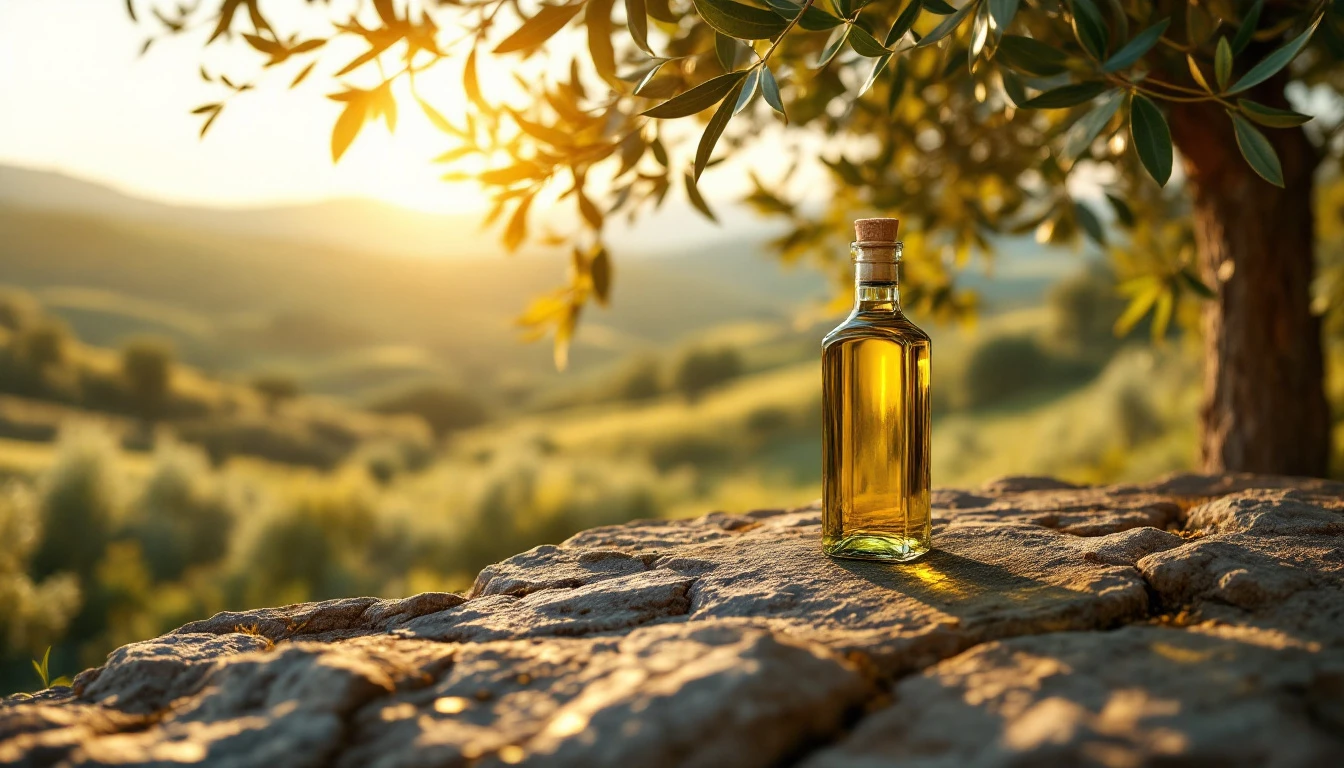
Italy produces oil in nearly every region, but for gifting, Tuscany carries a particular weight. Its groves sit at the northern edge of olive cultivation, where cooler nights and an early-autumn harvest tend to yield oils that are green, peppery and intensely aromatic. For a deeper look at origin, see our guide to Tuscan extra virgin olive oil.
The Tuscan cultivars
Three varieties define the region’s character:
- Frantoio: fruity and fragrant, with notes of fresh-cut grass and green almond, and a clear peppery finish.
- Leccino: softer and sweeter, often blended to round off sharper oils.
- Moraiolo: small-fruited and robust, associated with pronounced bitterness and pungency, and generally rich in phenolic compounds.
Many Tuscan oils are blends of these three. Always check what a producer actually states about its own cultivars and never assume them.
Toscano IGP: what it does and does not tell you
Toscano IGP (Indicazione Geografica Protetta) is a European protected geographical indication, recognized since 1998. It guarantees that the olives were grown in Tuscany, that the oil was produced there, and that it came from approved local cultivars. It is a useful floor, but it is a regional guarantee, not a mark of exceptional quality. A small estate may deliver outstanding oil with or without it. The honest approach is to ask what certifications a producer holds, and to treat any that are not documented as unproven.
Val d’Orcia and Pienza
The Val d’Orcia, a UNESCO World Heritage landscape since 2004, is a place of rolling clay hills, cypress-lined roads and ancient groves around Pienza, the Renaissance “ideal city” built by Pope Pius II in the 1460s. For a traveler who has stood there at harvest time, oil from this valley is not a commodity. It is a keepsake of a place, and that emotional specificity is what makes it a meaningful gift.
Gift Set Formats Compared: Hampers, Tasting Trios and the Single Numbered Vessel
The phrase “gift set” covers very different objects. Here is how the main formats perform when judged by oil quality rather than presentation.
Multi-bottle hampers
A typical hamper pairs two or three bottles of oil, often 250 ml each, with vinegar, pasta or biscuits. The appeal is abundance. The problem is that the oil is usually the weakest component: clear or lightly tinted glass, no harvest date, an unnamed origin. Unless every item is traceable, we do not recommend them for a discerning recipient.
Tasting trios and monocultivar flights
Three small bottles of different monocultivar oils make an educational gift, ideal for a recipient who already cooks seriously. They work only if each bottle is dark glass, dated and attributed to a named grove. Otherwise the “flight” compares three equally faded oils.
The single numbered vessel
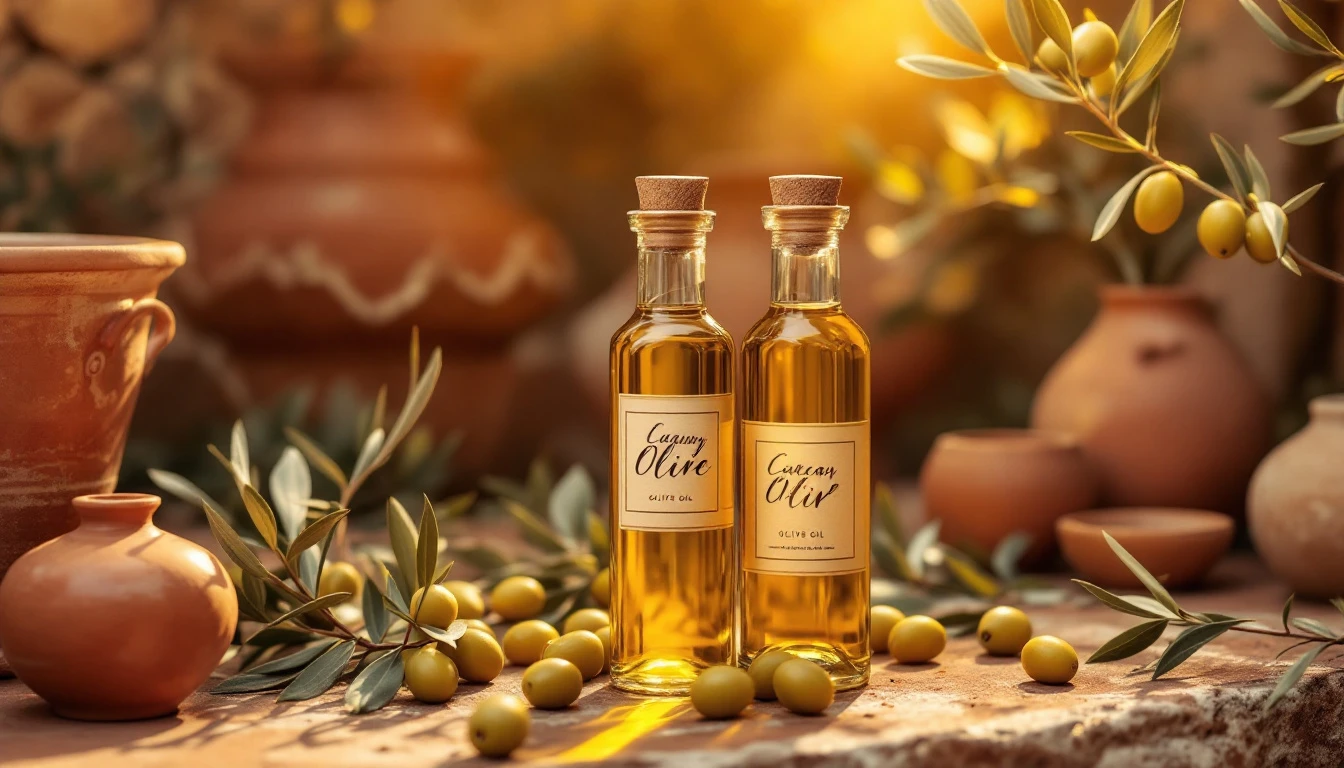
Our preferred format. A single 100 ml vessel invites a different behavior: the recipient tastes it slowly, on purpose, and remembers it. The Eleivas 2026 Limited Vintage follows this logic. It is a run of only 100 hand-thrown terracotta amphorae, each holding 100 ml, sealed with wax and hand-engraved with a Roman numeral from I to C. Number XLVII is not interchangeable with number LXXXII, and that individuality is what turns a product into a gift.
A quick decision guide
- Client or business gift: single numbered vessel, for exclusivity and low clutter.
- Host or dinner gift: single vessel, to be tasted that evening with bread.
- Cooking enthusiast: monocultivar trio, if every bottle is dated and dark.
- Collector or design lover: numbered, handmade, limited, with documented provenance.
Light, Heat and Oxygen: Why Packaging Decides Whether a Gift Oil Is Still Alive
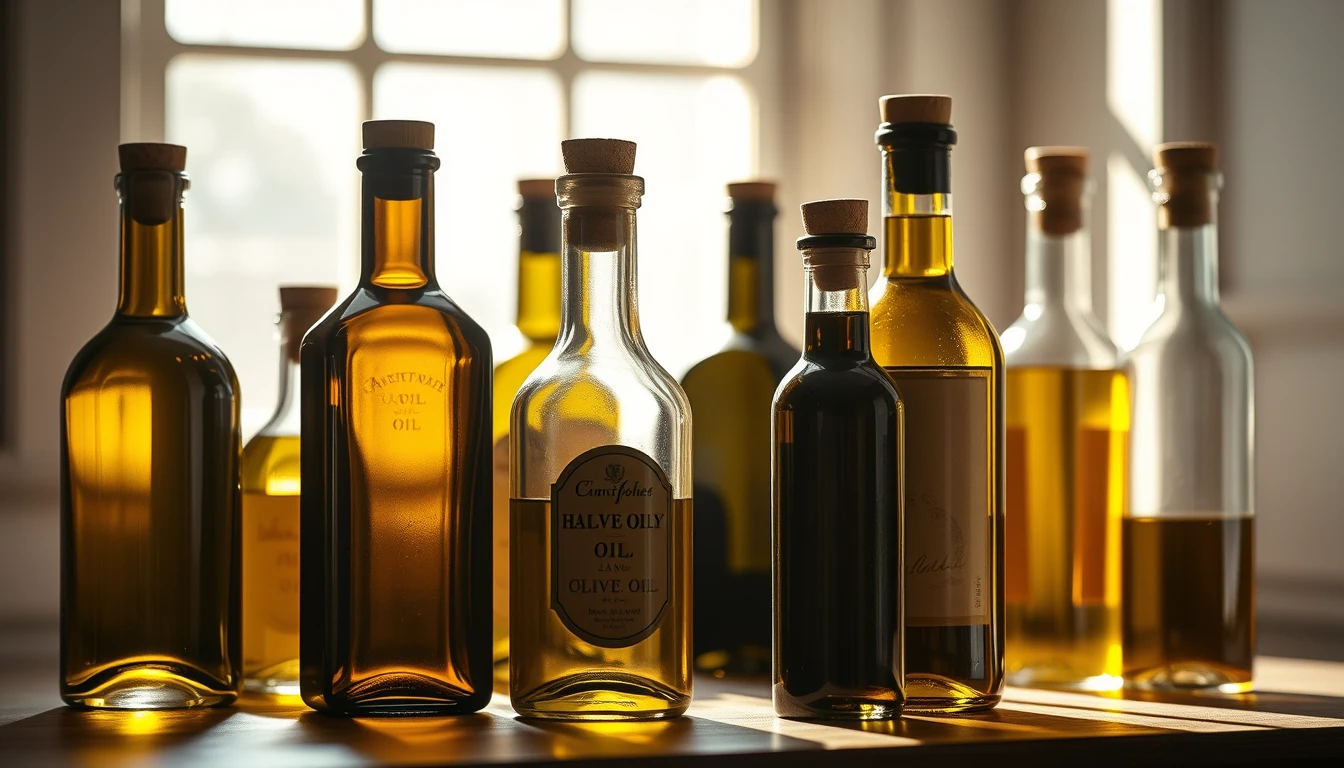
Olive oil is the pressed juice of a fruit, and it degrades through oxidation. Three factors drive it: light, heat and air. Clear glass offers almost no defense against the first. Exposure to light, including shop-window and kitchen-counter light, speeds the breakdown of the oil’s fresh aromatic compounds and can leave it flat or waxy within months. Our guide on how long olive oil can last covers the timeline in detail.
Terracotta versus glass
- Clear glass: beautiful on a shelf and harmful to the contents. We refuse it for this reason.
- Dark glass: a sound, practical standard that filters most light.
- Opaque terracotta: blocks light entirely and has a long Mediterranean history as a vessel for storing oil, wine and grain.
Practical storage figures
- Ideal temperature: roughly 57 to 64°F (14 to 18°C). Avoid anywhere above about 77°F (25°C).
- Location: a cool cupboard, away from the stove, windows and radiators.
- Refrigeration: not necessary. Cold causes harmless clouding, but repeated condensation is not helpful.
- Air: keep sealed. Once opened, a smaller vessel means less oxygen in contact with the oil.
This is why a 100 ml format is not a limitation but a design choice: it is a quantity meant to be enjoyed while the oil is vivid, then finished.
Polyphenols Explained for Gift Buyers: Hydroxytyrosol, Oleocanthal and What to Ask For
Polyphenols are naturally occurring phenolic compounds in the olive fruit. In oil they shape the taste: they bring the bitterness and the peppery sting, and they help the oil resist oxidation, which is one reason a polyphenol-rich oil tends to hold its character longer. Our reading is purely about flavor and freshness. We make no medical claims, and we recommend ignoring any seller that does.
The compounds worth knowing
- Oleocanthal: the compound behind the sharp tickle or cough at the back of the throat after tasting a fresh, robust oil. That sensation is a sign of a freshly pressed oil.
- Hydroxytyrosol and its relatives: phenolic compounds that contribute to bitterness and stability, and that are found in the olive itself.
- Oleuropein: the main bitter compound in the fruit, which breaks down as olives ripen.
What drives polyphenol content
Laboratory values range widely, from under 100 to well over 500 mg/kg, depending on:
- Cultivar: Moraiolo and Frantoio tend to be higher than milder varieties.
- Harvest timing: early-harvest, greener olives give more phenols.
- Extraction: cold extraction, below 80.6°F (27°C), preserves aromatic and phenolic compounds.
- Storage: light, heat and time reduce phenols after pressing.
How to choose, and what to ask
Ask the producer for the harvest year, the cultivars, the extraction method and, if a polyphenol figure is advertised, the date and laboratory of the analysis. A number without a date is marketing. For a fuller framework, see our guides to choosing, tasting and keeping high polyphenol olive oil and the best high polyphenol olive oil.
Single Estate, Monocultivar and Early Harvest: Reading Provenance Claims Without Being Misled
Gift labels lean heavily on vocabulary. A few definitions help you separate substance from styling.
- Single estate olive oil: oil made from olives grown on one property and pressed from that harvest, so that the origin can be traced to a specific grove. Read more in our guide to single estate olive oil.
- Monocultivar: oil from a single olive variety, such as 100% Moraiolo. It offers a pure, recognizable profile.
- Early harvest: olives picked in October, while still green. Yields are lower, and the oil is more bitter, pungent and grassy.
- Olio novello: “new oil”, bottled within days or weeks of pressing, typically in November. It is vivid and cloudy, and best drunk young.
- Cold extraction: mechanical pressing or centrifuging with paste temperature kept below 27°C (80.6°F).
Legal minimums
Under EU rules, extra virgin oil must have free acidity of no more than 0.8%, be free of sensory defects and show some fruitiness. That is the minimum for the category, not a measure of excellence. Many oils sold as extra virgin meet it on the day of bottling and fade soon after.
Warning signs on a gift label
- “Bottled in Italy” with no statement of where the olives were grown.
- No harvest year.
- “Tuscan” used as a style rather than an origin.
- Health promises attached to polyphenols.
- Clear glass.
We say plainly what we do not claim: if a certification, cultivar or analysis value is not documented, we do not state it.
How to Taste a Gifted Oil: Aroma, Bitterness and Pungency
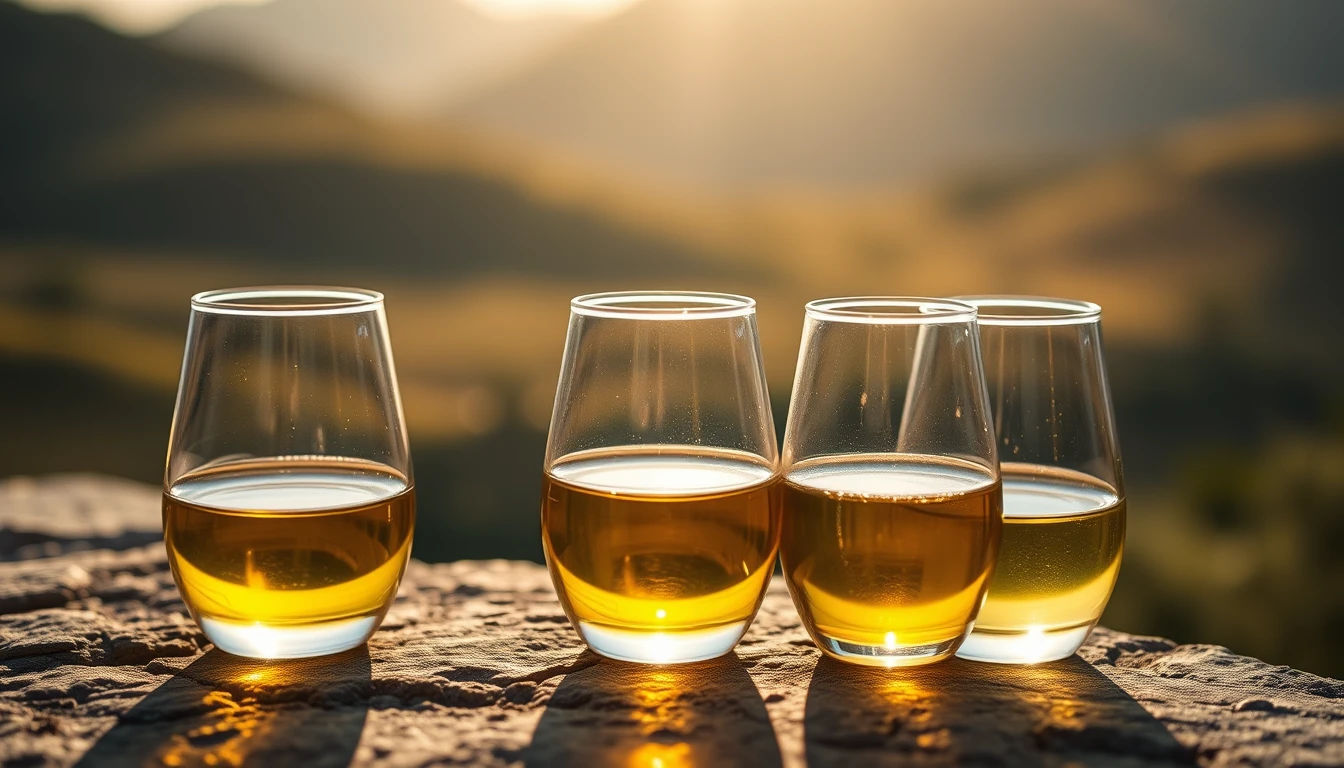
A gift is only complete when the recipient knows how to enjoy it. A short tasting guide inside the box, or a note from you, adds more value than extra packaging.
The professional method, simplified
- Warm: pour about a teaspoon into a small glass, cover it, and cradle it in your palm for a minute. Professional panels taste at around 82°F (28°C).
- Smell: uncover and inhale slowly. Look for cut grass, artichoke, green tomato leaf, almond or fresh herbs.
- Sip and draw air: take a small sip, then pull air gently across your tongue to spread the oil through your mouth.
- Judge three attributes: fruitiness, bitterness on the tongue and pungency in the throat.
What good looks like
Bitterness and pungency are positive traits in a fresh Tuscan oil. They should be balanced by fruit and fade cleanly. Defects are different: mustiness, a greasy or “crayon” note, or a vinegary sourness all point to age or poor storage. Taste it first on its own, then on warm bread, a slice of Pecorino from Pienza or plain white beans. Never heat it.
Terracotta Amphorae and Etruscan Heritage: Why the Vessel Is Part of the Gift
Terracotta, literally “baked earth”, has held oil and wine around the Mediterranean for more than three thousand years. The Etruscans, whose civilization flourished in the lands that became Tuscany, traded oil and wine in amphorae across the sea, and their tombs near the Val d’Orcia show how central the vessel was to ritual and daily life.
Why a handmade vessel matters
- Light protection: opaque material shields the oil completely.
- Individuality: a hand-thrown object carries small variations in form and finish. No two are alike.
- Permanence: after the oil is finished, the amphora remains as an object on a desk, a shelf or a kitchen windowsill.
This answers a common question: is it meant to be used or displayed? Our answer is both, in order. First the oil is tasted, within its best window, and then the vessel becomes a keepsake. Collecting it unopened is entirely valid, but the oil is at its most expressive when it is poured.
How Long Does a Gift Oil Stay Fresh Once the Seal Is Broken?
This is one of the most frequent concerns, and the answer should be concrete.
- Unopened, properly stored: typically 18 to 24 months from pressing. For maximum aroma, the first 12 to 18 months are best.
- After opening: for the Eleivas amphora, we recommend enjoying the oil within 3 to 4 months for maximum aromatic intensity. After that it remains safe to use, but its green, peppery character softens.
- What speeds decline: warm rooms, direct light, repeated opening and a large air space inside the container.
A practical reference: 100 ml is about 6.8 tablespoons, or roughly 20 tasting spoonfuls of 5 ml. Used as a finishing oil on a few dishes a week, it is typically consumed well inside the 3 to 4 month window. If you gift the oil, tell the recipient to open it when they plan to use it, not months in advance.
Shipping an Italian Olive Oil Gift to the United States: What to Verify
Delivery is a legitimate concern with a fragile terracotta vessel and a food product crossing borders. Whatever seller you choose, confirm the following before ordering.
- Customs and duties: who handles the declaration and who pays any import charges. Food imports into the US are subject to FDA oversight, so the seller should be familiar with the procedure.
- Packaging: how a ceramic vessel is cushioned and boxed to survive international transit.
- Tracking and insurance: a trackable carrier, with a clear procedure for damage or loss.
- Timing: avoid summer parcels left on a porch or in a hot van. Heat damages oil faster than almost anything else.
- Delivery address: for gifts, send to an address where someone will receive the parcel the same day.
Ask these questions directly, in writing. A serious producer answers them clearly. Terms and conditions are published on our terms and conditions page, and further articles on the topic appear on the Eleivas blog.
Frequently Asked Questions About Olive Oil Gift Sets from Italy
Why would anyone pay a premium for just 100 ml of olive oil?
Because the value is not in the volume. A 100 ml numbered vessel represents a limited harvest, light-proof packaging, verifiable origin and handmade craft. It is intended to be tasted deliberately, not poured daily, like a small-batch spirit or a fine tea. The question to ask of any gift is whether the quality is demonstrable, not how large it is.
Can I trust the origin of a small Tuscan producer?
Trust is built on specifics: a named place, a stated harvest year, documented cultivars and certifications that can be checked, and a producer willing to answer questions. A small estate is often easier to verify than a large blender, because the chain between grove and bottle is short. Be wary of vague wording such as “Tuscan style” or “packed in Italy”.
Is the oil meant to be used, or only collected and displayed?
Both, in sequence. The oil is a fresh product that is best enjoyed within about 3 to 4 months of opening. The handmade terracotta amphora, numbered in Roman numerals, then remains as a keepsake. If a recipient prefers to keep it sealed, that is fine, but the oil is meant to be tasted.
How long does olive oil stay fresh after the seal is broken?
For maximum aromatic intensity, aim to finish it within 3 to 4 months. Store it in a cool, dark place at roughly 57 to 64°F (14 to 18°C), away from the stove, and keep the vessel closed between uses. After that period the oil remains edible, but loses some of its fragrance and pepper.
Are polyphenols a sign of a better gift oil?
They are a useful indicator of flavor intensity and stability, since they create bitterness and pungency and help resist oxidation. They are not a guarantee of quality on their own, and they should never be presented as a medical benefit. Ask for harvest year, cultivars and, if a figure is quoted, the analysis date.
What is the best gift: a multi-bottle set or a single vessel?
For most occasions, a single high-quality vessel. It signals care, avoids filler, and keeps the oil fresh because it is finished quickly. A multi-bottle set suits only a keen cook, and only if every bottle is dated, dark and attributed to a named grove.
How is an olive oil gift shipped to the United States safely?
Look for a seller that uses protective packaging for ceramic, a trackable and insured carrier, and clear guidance on customs and duties. Avoid peak summer heat for delivery. Ask for these details in writing before you order.
Where to Go Next
This guide is an editorial introduction to choosing an Italian olive oil gift with confidence. If you would like to see how these principles come together in a single object, the Eleivas 2026 Limited Vintage is a run of 100 hand-numbered terracotta amphorae of Tuscan extra virgin oil from the Val d’Orcia. For details on availability, delivery to the United States, or to reserve a numbered piece, secure your allocation through our contact page.