What Single Estate Olive Oil Means, and Why It Is the Most Verifiable Kind
Single estate olive oil is extra virgin olive oil made exclusively from olives grown on one farm or contiguous group of groves, then milled and bottled under the producer’s own control. Because every step traces back to a single place and a single harvest, it is the one style of oil whose origin you can actually verify rather than simply trust on a label.
That traceability is the point. A bottle that says “Product of Italy” or “Tuscan style” may hold a blend of olives from several countries and several harvests. A single estate oil can tell you which grove, which year, which mill and how many bottles exist. For a buyer who wants an exclusive oil or a memorable gift, that chain of custody matters more than any adjective on the front label.
This guide covers the whole subject: how single estate differs from monocultivar and blended oils, what makes Tuscany and the Val d’Orcia distinctive, how harvest timing and cold extraction shape flavor, what polyphenols are, how to store and taste oil properly, and how to choose an oil as a gift or a collectible. Where relevant, it explains how we at Eleivas approach each question in our own work.
- Single estate: one property, one harvest, full traceability.
- Extra virgin: the top legal grade, mechanically extracted, with free acidity of 0.8% or lower and no sensory defects.
- Vintage: the year of harvest, which matters as much as the place.
Single Estate, Monocultivar and Blend: Three Terms That Are Often Confused
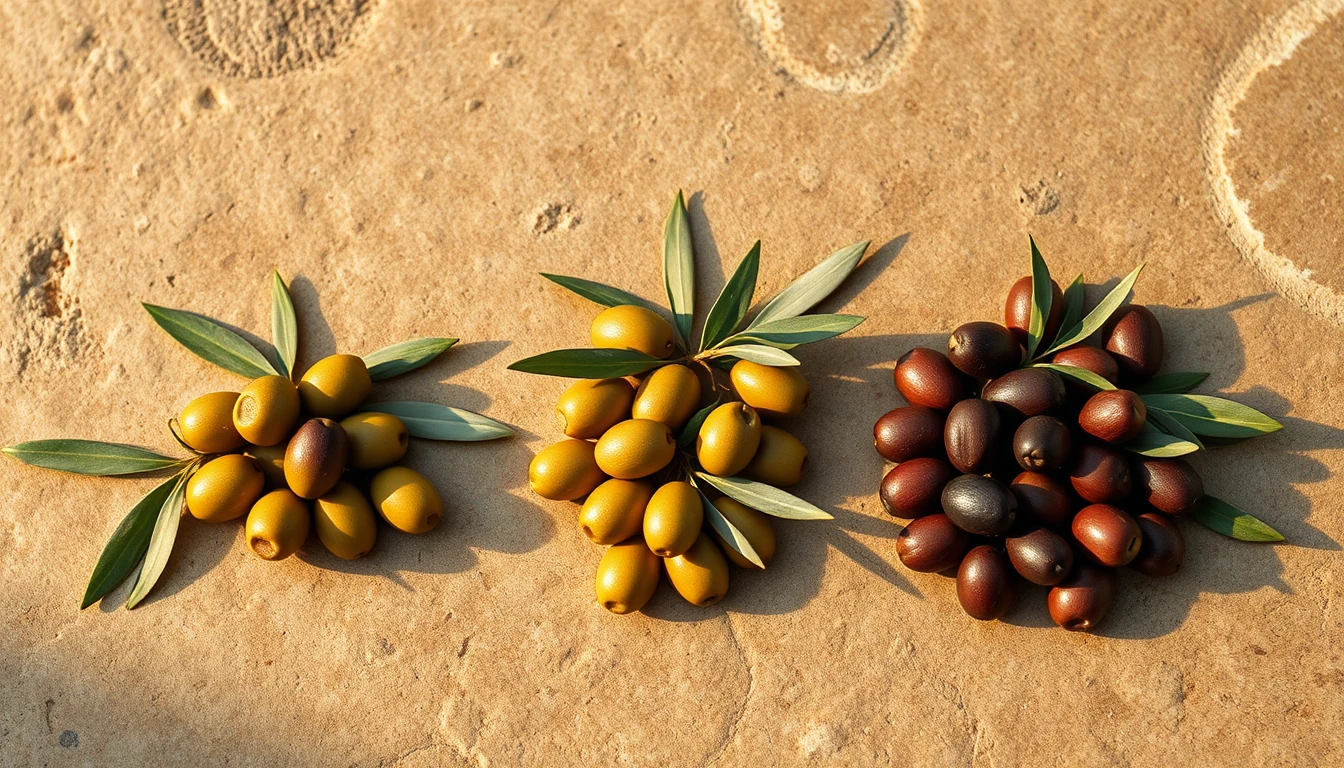
These words describe different things, and a great oil can be any of them. The confusion arises because producers use them interchangeably on packaging.
Single estate describes where
It answers the question of geography and control. The olives come from one farm. The oil may still be a blend of several olive varieties grown there.
Monocultivar describes what
A monocultivar olive oil is made from one olive variety only, such as Moraiolo or Frantoio. It shows the character of that single variety more starkly: a Moraiolo tends toward intense bitterness and pungency, a Leccino toward softness and sweetness.
Blend describes balance
A blend combines varieties, and sometimes estates, to achieve a consistent profile year after year. Consistency is a legitimate goal for large producers, but it works against the idea of a vintage. A blended oil is designed to taste the same every year. A single estate oil is allowed to taste like its year.
Our position
For a buyer seeking authenticity, single estate is the more meaningful guarantee, because it concerns accountability. Monocultivar is a stylistic choice layered on top. We favor oils where the producer is willing to state the estate, the harvest and the number of units produced, and we are cautious of any label that claims a variety without naming who verified it.
Why Tuscany Is the Reference for Single Estate Oil: Val d’Orcia and Pienza
Tuscany does not produce the most olive oil in Italy, but it has long set the benchmark for a particular style: green, grassy, peppery and structured. Its hills sit near the northern edge of where olives can grow reliably, and that marginal climate matters. Cooler nights and the risk of frost push growers toward hardy varieties and earlier harvests, and the oils that result are typically rich in the compounds responsible for bitterness and pungency.
The three classic Tuscan cultivars
- Frantoio: fruity and aromatic, with notes of fresh-cut grass and artichoke, and a balanced peppery finish.
- Leccino: gentler and sweeter, often used to round off sharper varieties.
- Moraiolo: small olives, intense and robust, with pronounced bitterness and pungency.
Together with Correggiolo, these varieties form the backbone of the Toscano IGP, a protected geographical indication that requires olives to be grown, harvested and milled in Tuscany and sets a stricter free-acidity ceiling (0.5%) than ordinary extra virgin. We mention the designation as context: it is a useful benchmark for what Tuscan oil can mean, and a label should always state clearly whether it carries it.
The Val d’Orcia and Pienza
The Val d’Orcia, a UNESCO World Heritage landscape in southern Tuscany, is defined by clay-rich hills, cypress-lined roads and olive terraces around towns such as Pienza. Olives have been cultivated here since Etruscan times. The combination of altitude, sun and sharp temperature swings between day and night is why oil from these hills is prized for aromatic definition. It is also why a vague “Tuscan” claim tells you very little, while a named valley, town and estate tells you a great deal.
Early Harvest, Cold Extraction and Olio Novello: How Timing Shapes Flavor
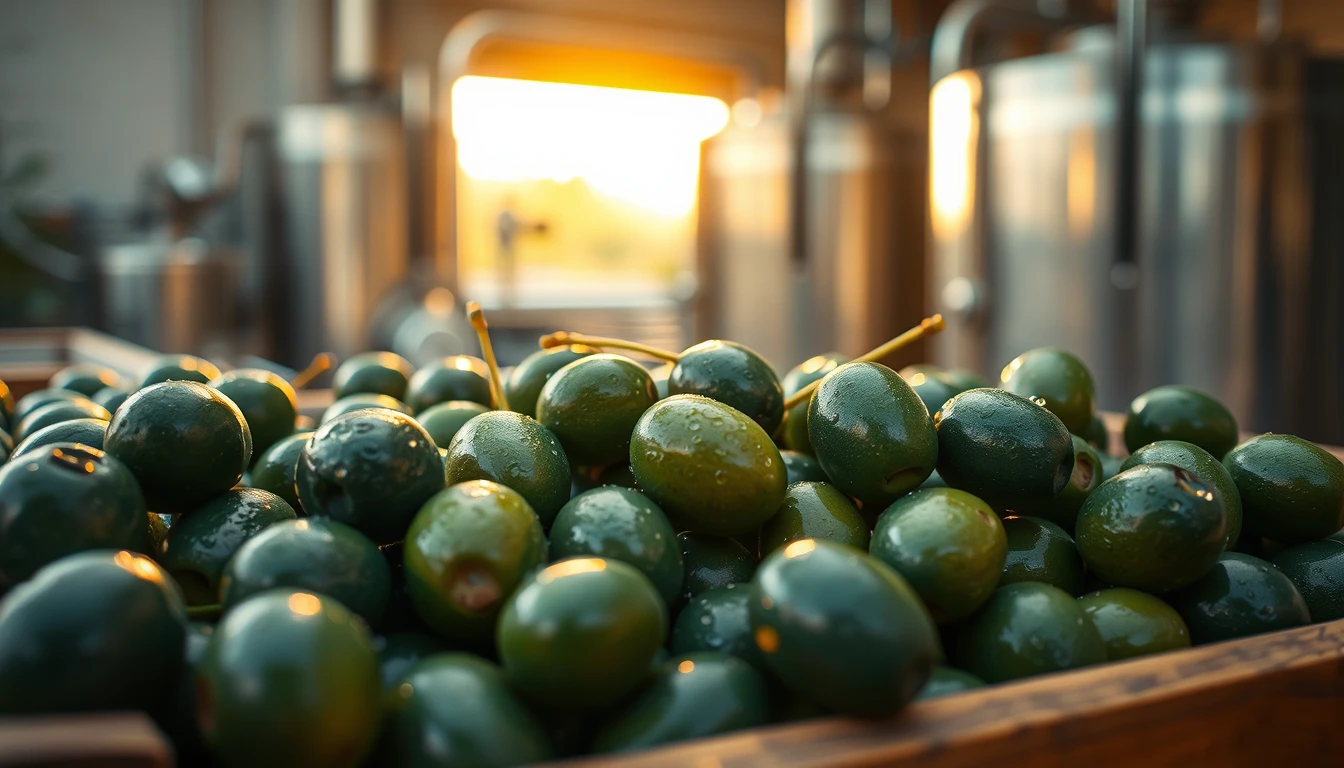
The same grove can yield very different oils depending on when the olives are picked and how quickly they are milled. Three terms define this part of the craft.
Early harvest
Early harvest means picking olives while they are still green or just turning, usually in October in Tuscany. Unripe fruit gives less oil, often needing 10 kg of olives or more for a single litre, but the oil is more aromatic, more bitter and richer in phenolic compounds. Later harvests, in November or December, produce more oil that is rounder, riper and milder.
Cold extraction
Cold extraction means the olive paste is kept below 27°C (80.6°F) during milling. Heat accelerates yield but strips volatile aromas and speeds oxidation. Staying below that threshold preserves the green fragrance and the sensory edge that make fresh oil distinctive. In a quality mill, olives are processed within hours of picking, not days.
Olio novello
Olio novello is “new oil”: the first oil of the season, released within weeks of milling and often unfiltered, cloudy and vividly green. It is at its most vibrant in its first months. It is the clearest demonstration that olive oil is a seasonal fresh product, closer to a harvest than to a pantry staple.
What to look for
- A stated harvest year, not just a “best before” date.
- Milling within a day of picking.
- A clear statement of extraction temperature or method.
High Polyphenol Olive Oil: What Polyphenols Are and How to Read the Claim
Polyphenols are naturally occurring phenolic compounds in olives that carry into the oil. They are responsible for much of its bitterness and pungency and contribute to its resistance to oxidation, which is why they are closely tied to flavor and freshness. Two names appear most often: hydroxytyrosol, associated with bitterness and stability, and oleocanthal, the compound behind the peppery sting at the back of the throat.
What polyphenols tell you, and what they do not
A high-polyphenol oil is usually made from healthy olives picked early and milled fast. It tends to taste green, bitter and peppery, and it tends to stay fresh longer. That is a quality signal about craft. We deliberately do not make medical claims about olive oil; polyphenol content is best treated as an indicator of freshness and flavor, not as a remedy.
How to choose a polyphenol-rich oil
- Look for early harvest and a recent vintage.
- Prefer varieties known for intensity, such as Moraiolo and Frantoio.
- Check whether the producer publishes laboratory analysis. A figure with a lab date is credible; an adjective such as “rich in polyphenols” is not.
- Taste for bitterness and a peppery cough. Their absence in an oil marketed as high-polyphenol is a warning sign.
A commonly used trade reference treats oils above roughly 250 mg/kg of total phenols as high in polyphenols, though this varies by method and laboratory. For a deeper walkthrough, see our complete guide to the best high polyphenol olive oil, and our practical article on choosing, tasting and keeping Tuscan extra virgin.
Light, Heat and Oxygen: How to Store Olive Oil Properly
Olive oil is perishable. Three forces degrade it: light, heat and oxygen. Understanding them explains most of the difference between an oil that tastes vivid and one that tastes flat.
Light
Light, especially in the blue and ultraviolet range, triggers photo-oxidation and quickly dulls aroma. This is why clear glass bottles, however handsome on a shelf, are a poor choice for a fine oil. We reject them outright. Dark glass is acceptable, tin and opaque ceramic better still.
Heat
The ideal storage range is roughly 14–18°C (57–64°F). Above 20°C (68°F), oxidation accelerates noticeably. Keep oil away from the stove, sunny windowsills and the top of the refrigerator.
Oxygen
Once opened, oil meets air, and every opening accelerates change. A smaller container that is emptied sooner is a better protection than a large one used slowly.
Shelf life in numbers
- Sealed and well stored: typically 18–24 months from harvest.
- After opening: best within 3–4 months for maximum aromatic intensity, which is the guidance we give for our own oil.
- Past that point: oil is not unsafe, but it loses fragrance, and the green notes fade into something neutral.
For a detailed breakdown, read how long olive oil can last.
Terracotta Versus Glass: Choosing the Right Vessel for Fine Oil
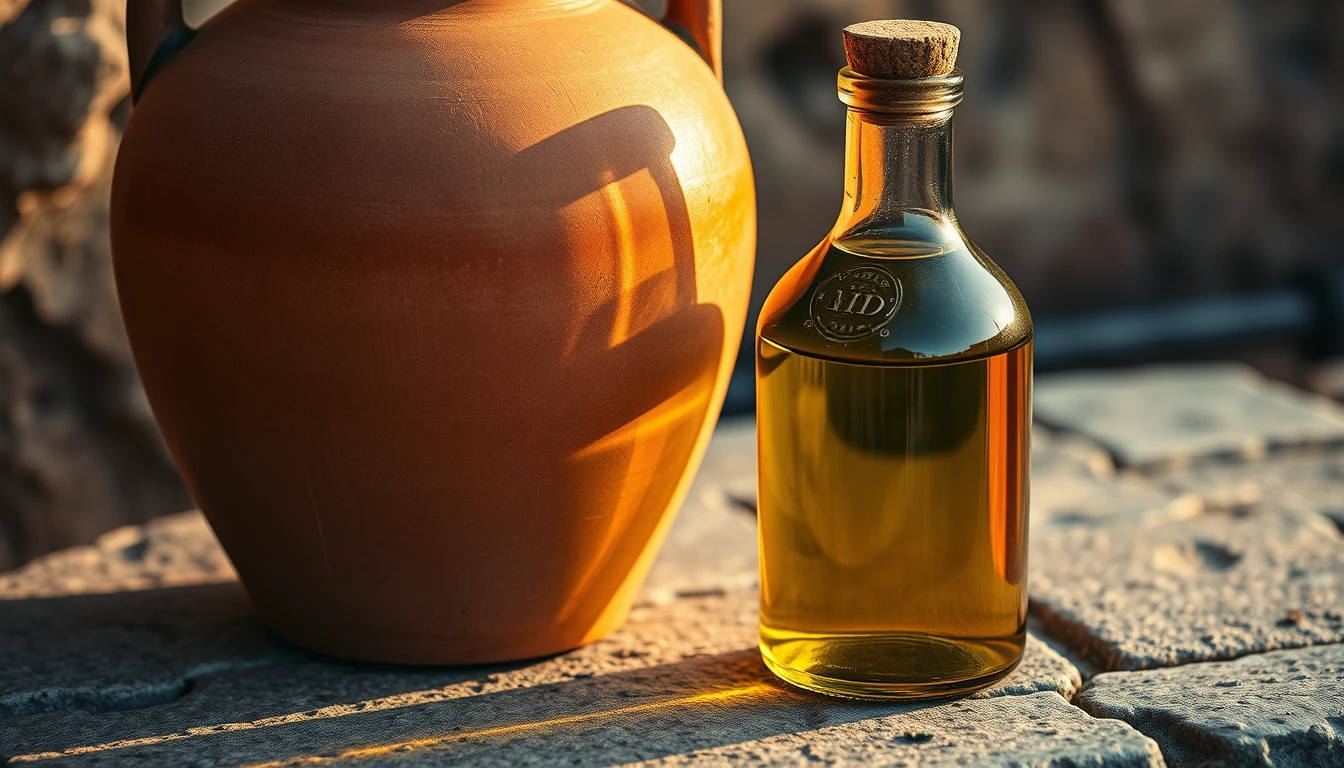
The container is not packaging; it is part of the preservation system. The comparison is straightforward once you consider light and handling.
Clear glass
Transparent and attractive, but it offers no protection from light. Oil in clear glass under shop lighting can lose character well before it reaches a table.
Dark glass
A sound, practical choice. It filters most light, but it can look anonymous and is easy to place in the wrong spot.
Opaque terracotta
Fired clay blocks light entirely and moderates temperature swings, as it has done in Mediterranean storage for millennia. Combined with a wax seal, it forms a closed system that is both protective and visibly intact: a broken seal is evident.
Where our preference lies
We use an opaque terracotta amphora for the Eleivas 2026 Limited Vintage because the logic of protection and the logic of beauty point in the same direction. The vessel shields the oil from light, and the wax seal makes first opening a deliberate act. At 100 ml, the oil is meant to be enjoyed within the freshness window rather than left to age on a shelf.
How to Taste Olive Oil: Aroma, Bitterness and Pungency
Professional panels use a structured method. At home, a simplified version reveals nearly everything worth knowing about a fine oil.
Step by step
- Pour a teaspoon into a small glass. Cover it with your palm and warm it for a minute.
- Smell. Lift your hand and inhale. Look for fresh-cut grass, green tomato leaf, artichoke, almond or herbs. Rancid nuts, crayons or mustiness signal a defect.
- Sip. Take a small amount and draw air over it so it spreads across the palate.
- Swallow and pay attention to the finish.
The three attributes
- Fruitiness: the aroma of fresh olives, green or ripe.
- Bitterness: felt at the back of the tongue. It is a positive attribute, not a flaw.
- Pungency: the peppery sensation in the throat, often provoking a small cough. It is linked to oleocanthal and indicates freshness.
Serving suggestions
A great oil of this kind is a finishing touch, not a cooking medium. Use it on warm bread, a plain soft cheese, grilled vegetables, a bean soup, or simply on a spoon. Heat would erase precisely what you are paying attention to. This is why a small format makes sense: a few drops at the table, appreciated slowly.
How to Verify the Origin and Authenticity of a Small Producer
Trust in a small Tuscan producer should not rest on a romantic story. It should rest on checkable facts. Here is a practical checklist for any oil marketed as single estate.
Questions worth asking
- Where exactly? A named area, such as Val d’Orcia or Pienza, rather than a broad “Tuscany” or “Italy”.
- Which harvest? A stated vintage, ideally with a milling date.
- Who mills it? A named mill or a producer-controlled process.
- How many units? A stated run size. A limited edition with an unstated number is not truly limited.
- Is there analysis? Laboratory data on acidity, peroxides and, where claimed, phenols.
- Are claims documented? Any certification (PDO, IGP, organic) should come with a verifiable certificate number. If it is not stated, do not assume it.
Red flags
- Clear glass and no harvest year.
- A price pitch with no provenance detail.
- Health promises attached to polyphenols.
- Vague origin phrases such as “bottled in Tuscany”, which describes where the bottle was filled, not where the olives grew.
Our own approach
We state what we can document: a run of 100 amphorae, each hand-engraved with a Roman numeral from I to C, a 2026 vintage, and a wax seal that proves the vessel has not been opened. We do not claim certifications or analytical values that we have not published, and we invite any buyer to ask us for details before securing an allocation.
The Hand-Thrown Terracotta Amphora: Etruscan and Mediterranean Heritage
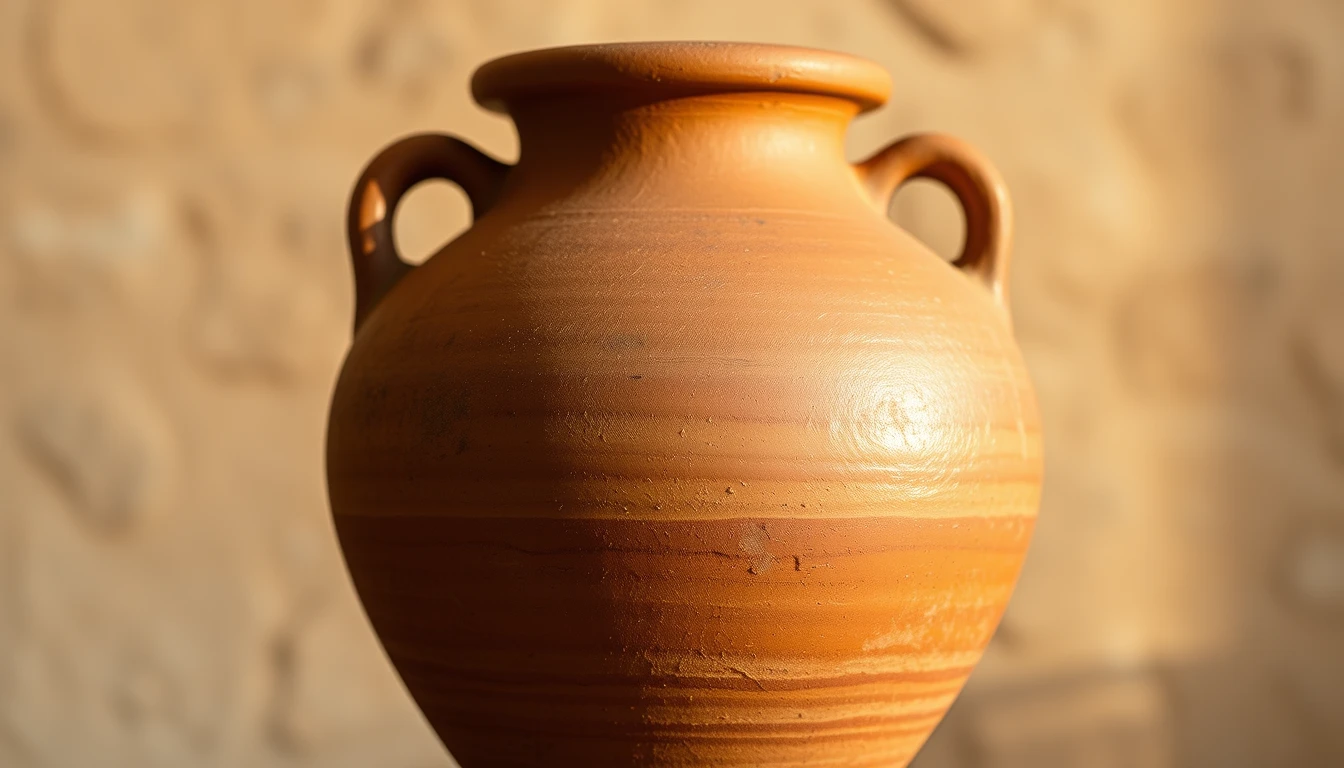
The amphora is among the oldest containers of the Mediterranean. Etruscans, Greeks and Romans moved oil and wine across the sea in fired clay, and shipwrecks off the Tuscan coast still reveal their cargoes. Pottery and olive culture grew up together in the same hills.
Why clay endures
- Opaque: it blocks all light.
- Stable: its mass buffers temperature swings.
- Tactile: the weight, the faint warmth, the slight irregularity of a hand-thrown form.
The object as part of the experience
A hand-thrown vessel carries small variations: a subtle asymmetry, a trace of the potter’s fingers. Those differences are not flaws; they are the signature of the process. When each piece is also numbered, from I to C, it becomes both a container and an individual object.
We see the amphora as a quiet argument about value. If an oil is the product of one estate and one year, then its vessel should be equally specific. Handling it, you feel the same continuity of craft that links a Val d’Orcia grove to the Etruscan potters who worked the same clay centuries ago.
Olive Oil as a Luxury Gift and Collectible: Used or Displayed?
Olive oil as a gift often feels generic: another bottle in a basket. A single estate, numbered, limited oil changes that equation, because the recipient receives a story, an object and something to taste.
Who it suits
- Hosts and clients: a gesture that is distinctive but not ostentatious.
- Collectors of design objects: a numbered piece, with an edition size that is stated and real.
- Travelers who know Tuscany: an authentic keepsake from Val d’Orcia and Pienza.
- Cooks and food enthusiasts: an oil to taste at the table, drop by drop.
Is it meant to be used, or only displayed?
Both, in sequence. The sealed amphora is a handsome object, and the seal keeps the oil protected while it is displayed away from direct light and heat. But oil is not a permanent artifact. Once the wax seal is broken, it is at its best for roughly 3-4 months. Our view is clear: the right moment to open it is a meal worth remembering, and the amphora remains afterward as a keepsake.
Why 100 ml
The format is a deliberate choice. A small quantity means a fresh product and a measured ritual: roughly one kilogram of olives distilled into a vessel meant for finishing, not for the pan. The value lies in provenance, craft and scarcity, not in volume.
Delivery to the United States
A fragile, sealed object needs careful transport. For orders going to the US, shipping method, customs handling and protective packaging should be confirmed in writing before purchase. Questions on delivery are best raised when you request your allocation.
Frequently Asked Questions About Single Estate Olive Oil
What is single estate olive oil?
It is extra virgin olive oil made from olives grown on a single farm, then milled and bottled under that producer’s control. It is traceable to a specific place and harvest year, unlike blends that combine olives from multiple sources.
Why pay a premium for just 100 ml of olive oil?
Because the value is not in volume. A small, early-harvest single estate run requires many kilograms of olives, careful milling, a protective vessel, and numbered production. At 100 ml it is meant as a finishing oil enjoyed fresh, and as a keepsake object, not as a kitchen staple.
Can I trust the origin of a small Tuscan producer?
Trust should rest on documentation. Ask for the named area, vintage, mill, run size and any laboratory data. Be cautious of vague phrases like “bottled in Tuscany” and of certifications that are claimed but not documented.
Is the oil meant to be used or only collected?
Used. A sealed terracotta amphora can be displayed safely away from light and heat, but the oil is at its best when opened and enjoyed. The vessel remains a keepsake afterward.
How long does olive oil stay fresh once the seal is broken?
For maximum aromatic intensity, a fine oil is best enjoyed within 3-4 months of opening. Keep it in a cool, dark place, close it promptly after each use, and avoid heat sources.
What is the difference between single estate and monocultivar oil?
Single estate refers to where the olives grew (one farm). Monocultivar refers to which olive variety was used (one variety). An oil can be one, the other, both, or neither.
Are polyphenols a health benefit I should buy for?
We make no medical claims. Polyphenols are best understood as markers of flavor and freshness: they give bitterness and pungency, and help the oil resist oxidation. Choose by taste, harvest date and documented analysis.
How is delivery to the United States handled?
Because the amphora is fragile and the oil is a food product, packaging, shipping method and customs details should be confirmed when you contact us. We recommend raising this before you secure an allocation so that delivery is clear from the start.
Where to Go Next
If you would like to continue reading, our blog collects practical guides on tasting, storage and Tuscan olive culture. For those who want to see the oil, the vessel and the edition in full, the Eleivas 2026 Limited Vintage: Hand-Numbered Terracotta Amphora (100 ml) page presents the project in detail, and you can secure your allocation or ask us about provenance and delivery directly.