What Makes an Extra Virgin Olive Oil Truly Tuscan
Tuscan extra virgin olive oil is oil mechanically extracted from olives grown and milled in Tuscany, which meets the legal extra virgin standard (free acidity of 0.8% or less, no sensory defects, some fruitiness) and expresses the regional profile: green fruit, cut grass, artichoke, a clear bitter note and a peppery finish in the throat.
The word “Tuscan” on a label is not proof of anything by itself. A trustworthy oil lets you trace three things: the grove, the harvest year and the mill. If a bottle cannot tell you where the olives grew and when they were pressed, treat the adjective as decoration.
Three tests for a genuine Tuscan oil
- Origin: a named estate or village, not just “bottled in Italy” or “product of the EU”.
- Harvest date: a stated harvest year, ideally within the last 12–18 months.
- Protection from light: opaque or dark packaging. Clear glass is a warning sign.
The sections below follow the same logic a master miller applies: land, trees, press, flavor, storage, and finally the object that carries the oil. For a deeper look at provenance, see our guide to single estate olive oil.
Val d’Orcia and Pienza: The Landscape Behind the Oil
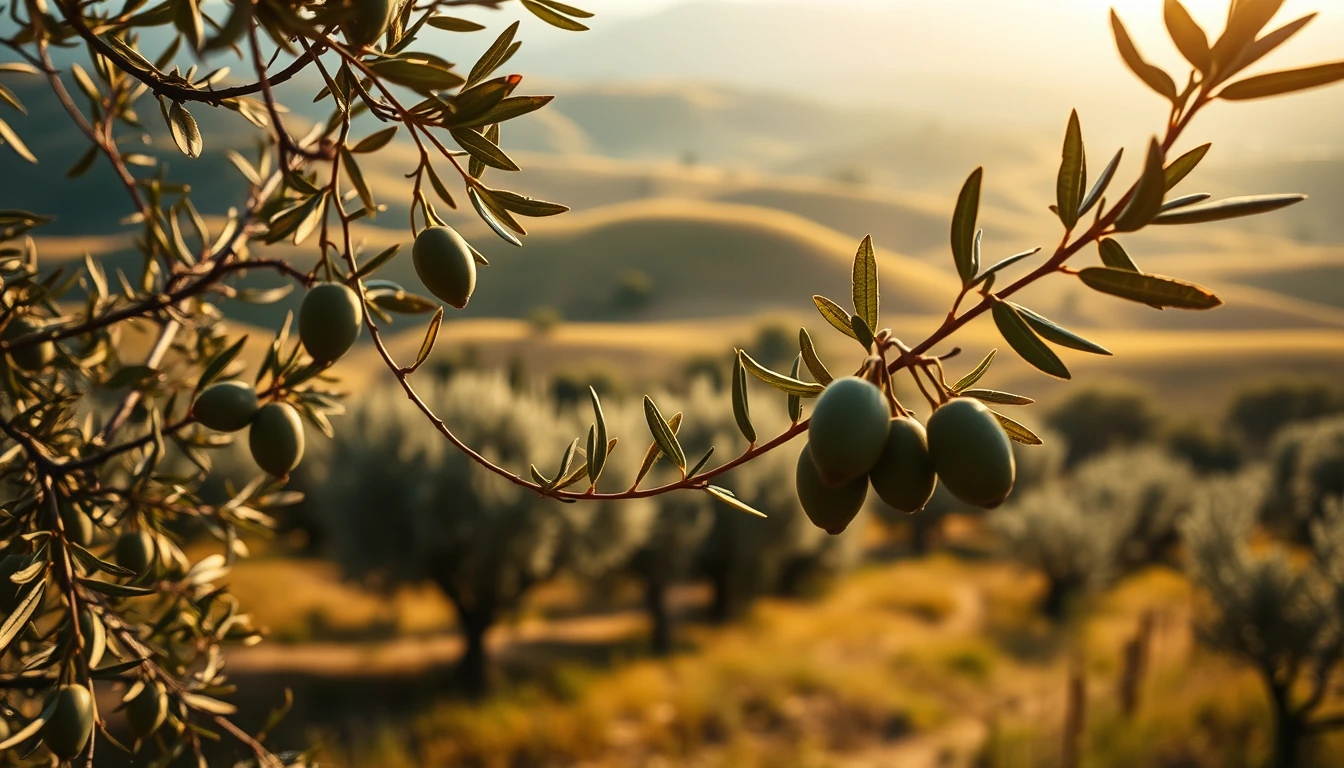
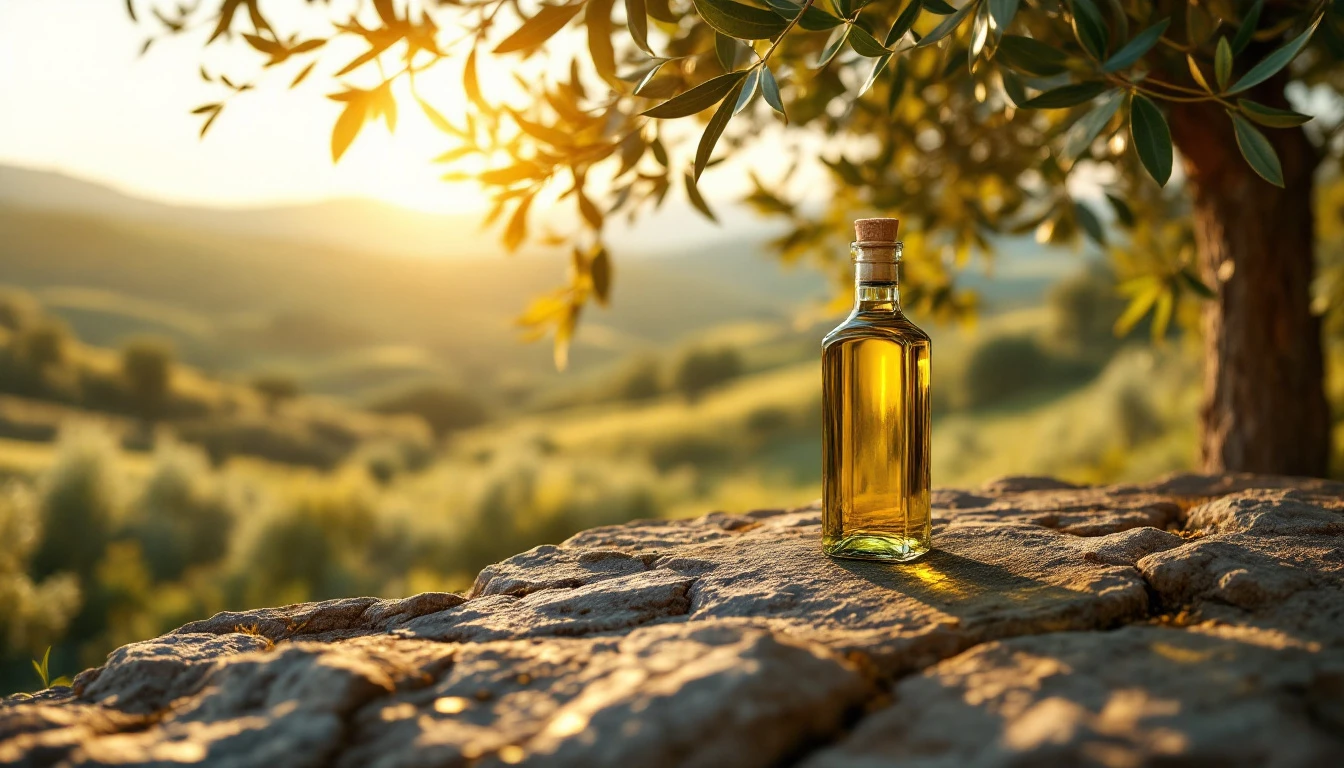
The Val d’Orcia is a valley in southern Siena province, inscribed on the UNESCO World Heritage list in 2004. Pienza, the Renaissance town rebuilt by Pope Pius II from 1459, sits at its heart, and its historic centre was inscribed in 1996. Olive groves here climb clay-rich hills between 300 and 500 meters above sea level, under a sky that swings from hot summer days to cool nights.
That daily temperature swing matters. It slows ripening, concentrates aromatic compounds and tends to produce oils with a defined bitter-and-pungent structure rather than a soft, buttery one. Winter frosts also shape the choice of hardy cultivars.
Eleivas oil comes from this territory, and that is the point of its story: a vintage tied to a specific valley, not to a generic regional claim. A place you can walk through, and a harvest you can date, is the foundation of verifiable quality.
Frantoio, Leccino and Moraiolo: The Tuscan Cultivars
A cultivar is a distinct olive variety, much as grape varieties define a wine. Three dominate Tuscan groves, and most regional oils are built from them:
- Frantoio: the signature. Fruity, grassy, with notes of green almond and artichoke, balanced bitterness and a lively pepper finish.
- Leccino: gentler and sweeter, with soft almond notes. It tempers the intensity of other cultivars and tolerates cold well.
- Moraiolo: small olives with a high concentration of phenolic compounds, giving a vivid bitterness and pronounced pungency.
Many Tuscan oils combine them in a blend: Frantoio for aroma, Leccino for roundness, Moraiolo for backbone. A blend is not a lesser choice; it is a craft decision, like a vintner’s assemblage.
A word of caution: a cultivar should be named on a label only when the producer can document it. Eleivas does not attribute cultivar composition or certifications to its vintage beyond what can be verified, and we recommend buyers expect the same discipline from anyone they buy from.
The Toscano IGP: What the Designation Guarantees
Olio Toscano IGP is a European Protected Geographical Indication. It requires that olives come from Tuscany, that they be of traditional regional cultivars (Frantoio, Correggiolo, Leccino and Moraiolo among them, making up at least 80% of the groves’ composition), and that the oil be produced in the region and pass chemical and sensory checks, including a lower maximum acidity than the general extra virgin ceiling of 0.8%.
What IGP does and does not tell you
- It does confirm regional origin and basic quality, verified by an independent body.
- It does not say how early the olives were picked, how much polyphenol the oil holds, or how it was stored after bottling.
Certification is a useful floor, not a ceiling. Small estates may choose not to certify, or may produce too little oil to make the process practical. In either case, the safest signals are a named grove, a dated harvest and a producer who answers specific questions openly.
Single Estate, Monocultivar and Blends: Reading Provenance
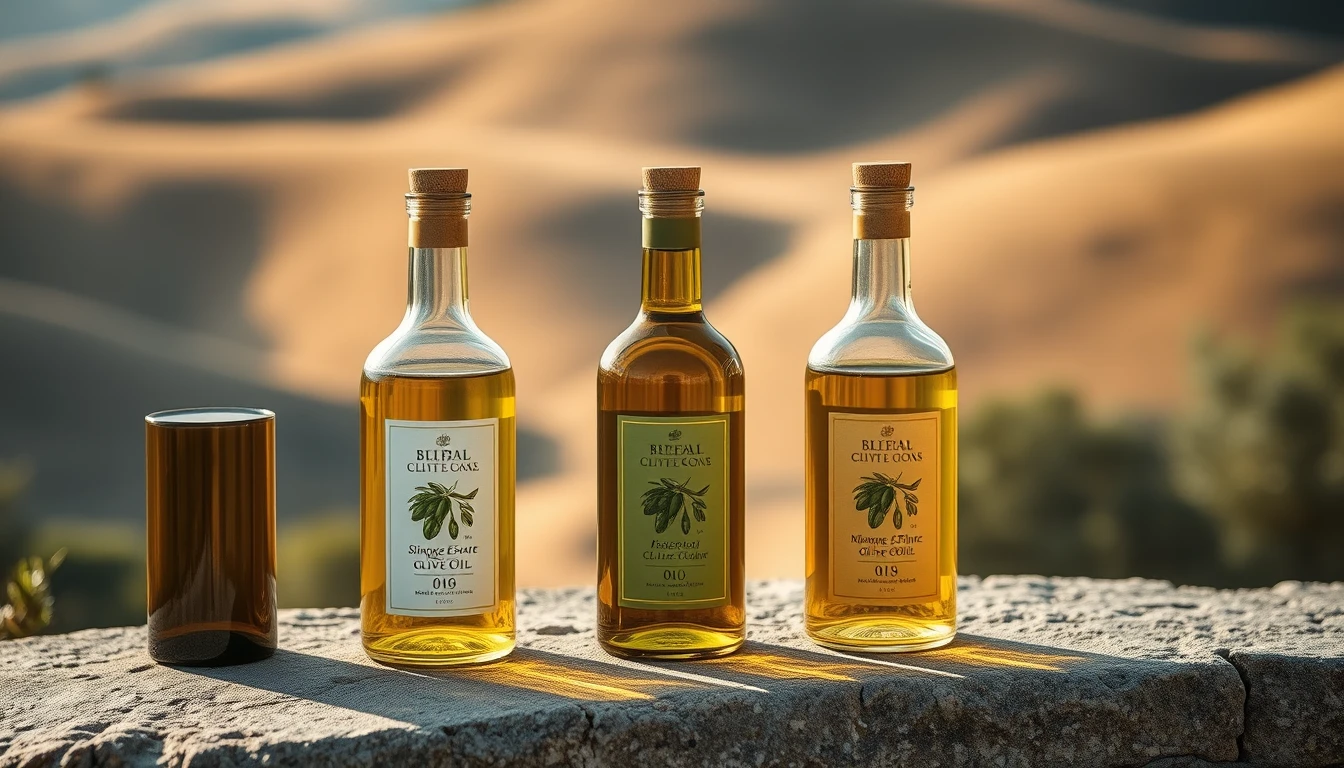
These three terms are often mixed up, and they describe different things:
- Single estate oil: made only from olives grown on one property, milled together. It answers “where?”
- Monocultivar oil: made from one olive variety, such as 100% Moraiolo. It answers “which tree?”
- Blend: made from several cultivars, from one estate or several. It answers “what balance?”
Our preference is clear: single estate first. Provenance is the one quality a buyer can follow back to a place and a person, and an oil from a single grove behaves like a vintage, changing with each year’s weather. Monocultivar is a fine bonus where documented, but a well-made estate blend often tastes more complete.
When a bottle says only “blend of EU oils”, the vintage, the grove and the person are all missing. Read more in our complete guide to single estate oil.
Early Harvest, Cold Extraction and Olio Novello
Timing and temperature are the two decisions that shape an oil before it ever meets a bottle.
Early harvest
Early harvest means picking olives while they are still green or just turning, usually in October in Tuscany. Unripe olives yield less oil (often around 8–12 kg per 100 kg of fruit, against 12–16 kg later in the season) but with more aroma and more phenolic compounds. It is a trade of quantity for character.
Cold extraction
Cold extraction means the olive paste is kept below 27°C during malaxing (the slow kneading of crushed olives), which protects volatile aromas. Milling within hours of harvest prevents fermentation in the crates.
Olio novello
Olio novello is “new oil,” bottled within weeks of milling, often unfiltered, cloudy and intensely green. It is a seasonal pleasure to be used quickly, not a storage oil.
Together these choices produce the sharp, lively oil Tuscans prize, and they are the reason a small, dated vintage can taste so different from an anonymous blend.
Polyphenols in Tuscan Oil: Hydroxytyrosol, Oleocanthal and Flavor
Polyphenols are natural phenolic compounds in olives. In oil they shape bitterness and pungency and act as natural antioxidants that help the oil resist oxidation, which is why they relate to freshness and shelf life. Two names recur:
- Hydroxytyrosol: a phenolic compound linked to bitterness and to the oil’s oxidative stability.
- Oleocanthal: the compound responsible for the peppery sting at the back of the throat that often makes tasters cough.
Phenol content varies widely, from under 100 mg/kg in mild oils to well over 500 mg/kg in robust early-harvest oils. It depends on cultivar, ripeness, climate and how gently the oil was extracted. It also falls with time, heat and light.
We make no medical claims here, and neither should a serious producer. Where a laboratory analysis exists, a buyer should see the figure and the date; where it does not, a claim should not be implied. The honest consumer test is sensory: real bitterness and pepper are good signs of a phenol-rich oil. Our guides on choosing, tasting and keeping high polyphenol oil and the best high polyphenol Tuscan extra virgin go further.
How to Taste Tuscan Olive Oil: Aroma, Bitterness and Pungency
Professional panels follow a method you can replicate at home with a small glass and five quiet minutes.
- Warm and swirl. Cup the glass in your hand for a minute to release aroma, covering it with the other hand.
- Smell. Look for fresh-cut grass, green tomato leaf, artichoke, almond. Rancid, musty or waxy notes are defects.
- Sip and draw air. Take a small sip, and breathe in through the teeth to spread the oil across the palate.
- Judge three attributes. Fruitiness (the aroma of fresh olives), bitterness (felt on the tongue’s back) and pungency (the peppery heat in the throat).
Bitterness and pungency are qualities, not flaws. A good Tuscan oil should show both, in balance with fruit. The only true faults are those of decay: rancid, fusty, winey or metallic.
Use a neutral accompaniment: unsalted bread, a slice of apple, a boiled potato. Avoid strong flavors. Taste the oil on its own before it ever touches a dish.
Storing Tuscan Olive Oil: Light, Heat, Air and the Terracotta Question
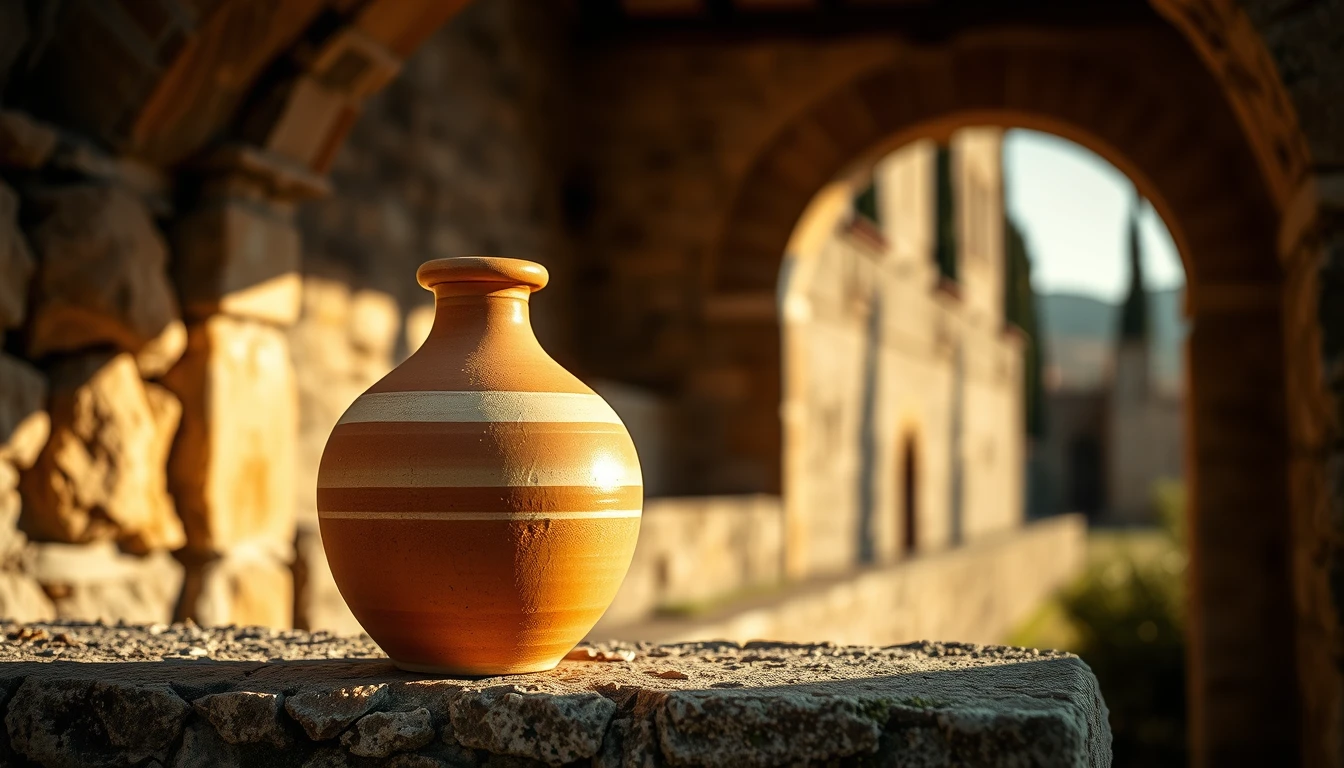
Olive oil has three enemies: light, heat and oxygen. Light is the most underestimated. Clear glass lets ultraviolet and visible light trigger photo-oxidation, flattening aroma within weeks on a bright shelf.
Practical storage rules
- Keep oil between about 14 and 18°C, far from the stove and windowsills.
- Choose opaque containers: dark glass, tin or terracotta.
- Close the vessel tightly after each use to limit oxygen.
- Do not refrigerate a vessel you use often; condensation and clouding are unnecessary stress.
Why terracotta?
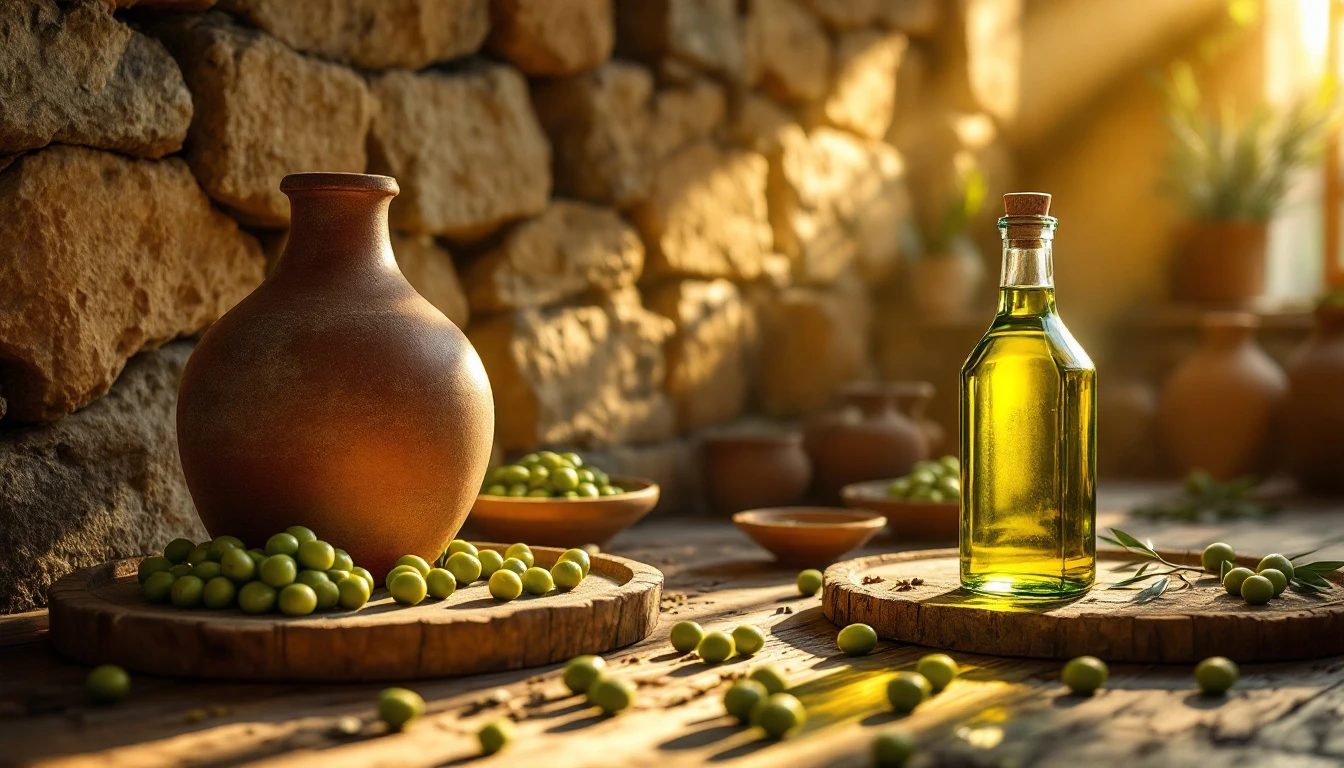
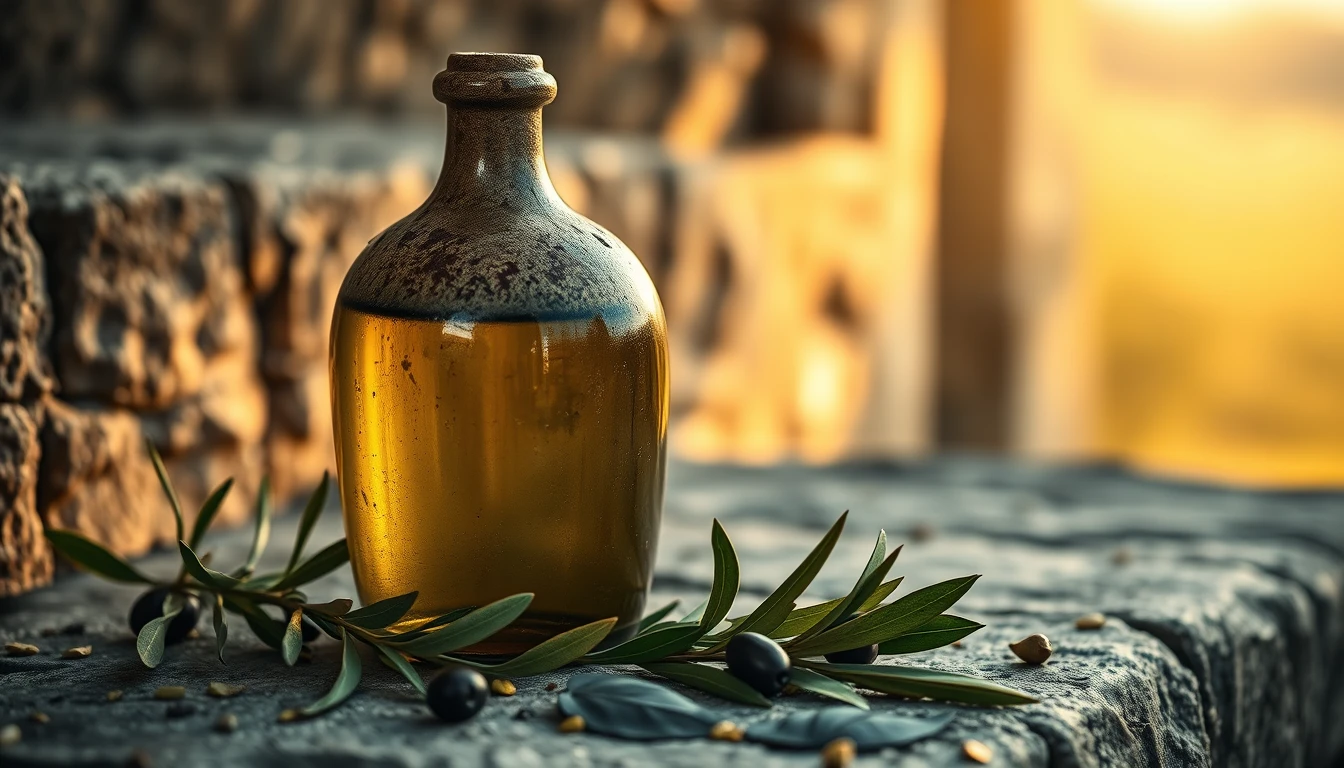
An opaque terracotta vessel blocks light entirely and buffers temperature swings. It also belongs to a tradition: the Mediterranean has stored oil in clay for millennia. It is a functional choice as well as a beautiful one, and it is the reasoning behind the Eleivas amphora: an oil should be protected from the moment it is sealed.
How Long Tuscan Olive Oil Lasts, Sealed and After Opening
Unopened and stored well, a quality extra virgin oil is at its best within roughly 12–18 months of harvest. Beyond that, fruitiness fades even if the oil is not spoiled. The date that matters is the harvest date, not the bottling or “best before” date.
| Stage | Typical window | What changes |
|---|---|---|
| Fresh from the mill | First 3–6 months | Peak green aroma, strongest bitterness and pungency |
| Sealed, stored cool and dark | Up to 12–18 months from harvest | Gradual softening of fruit |
| After opening | About 3–4 months for a small vessel | Oxygen dulls aroma; use for best intensity |
For Eleivas’s 100 ml amphora, once the wax seal is broken, the oil is best enjoyed within 3–4 months for maximum aromatic intensity. That is not a limit of safety; it is a guide to peak flavor. A small volume is a virtue here: you finish the oil while it is still vivid, rather than watching a large bottle fade.
Our full guide, How Long Can Olive Oil Last?, covers the topic in detail.
Hand-Thrown Terracotta Amphorae: Etruscan Roots and Mediterranean Craft
The Etruscans, who lived across what is now Tuscany and northern Lazio from roughly the 8th century BC, traded oil and wine in clay vessels across the Mediterranean. The amphora, with its two handles and tapered form, was the shipping container of the ancient world, built to be stacked, carried and sealed.
A hand-thrown vessel is shaped on a potter’s wheel, then dried and fired. Each one carries tiny variations: a slightly different curve, a unique surface. That irregularity is evidence of the maker’s hand, not a flaw.
The Eleivas 2026 Limited Vintage honors this lineage in a new scale: 100 amphorae of 100 ml, each hand-engraved with a Roman numeral from I to C and closed with a wax seal. Numbering gives a finite edition a verifiable identity: no. XLVII is yours, and only yours. It is an object meant to be opened and used, not merely displayed, though it earns a place on a shelf while it waits.
Why a 100 ml Limited Vintage Exists
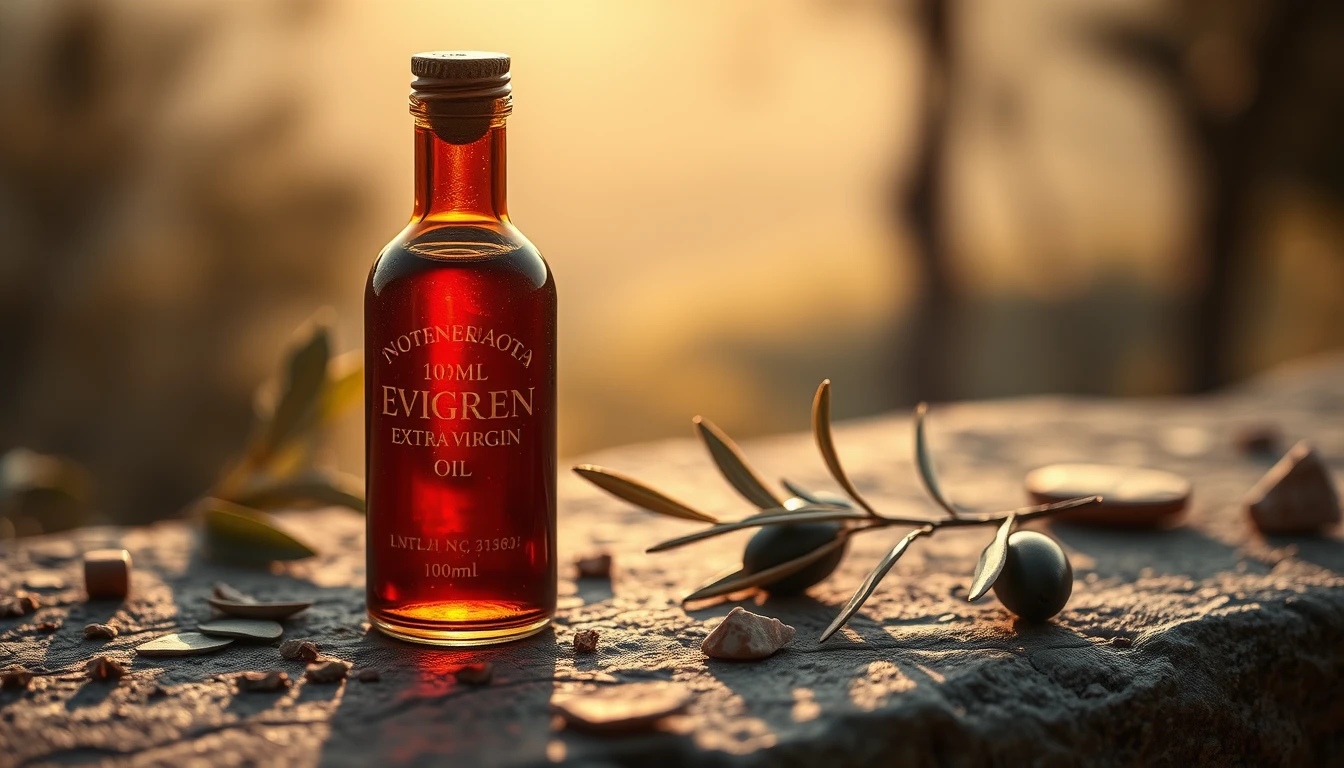
A common and fair question: why would anyone want only 100 ml? Because this format treats the oil as an extract, not a pantry staple. It is meant for tasting, for finishing a dish at the table, for savoring slowly over a season.
- Freshness: a small volume is used within the oil’s peak window.
- Selection: a small run allows the producer to choose the best part of a harvest.
- Traceability: 100 numbered pieces can each be tied to one vintage and one place.
- Experience: the opening of the seal becomes a moment, not a routine.
This is an oil for drops on warm bread, ripe tomatoes, white beans, aged pecorino or vanilla gelato, not for frying. We reject the idea that quality is judged by volume or by shelf price. It is judged by light, freshness and provenance.
Verifying Authenticity: How to Trust a Small Tuscan Producer
Trust in a small producer is earned through specificity. Ask for the following, and expect clear answers:
- Location: the village, valley and grove area where the olives grow.
- Harvest and milling: the harvest year and the method (cold extraction, time between picking and pressing).
- Packaging logic: why this container protects the oil.
- Edition proof: numbering, sealing and the total number produced.
- Documentation: any analysis or certification, stated only if it exists.
Be wary of vague adjectives (“Tuscan style”, “premium”, “artisanal”) with no place, date or name behind them. Be equally wary of heavy health promises about polyphenols. Serious producers describe what the oil is and let you taste it.
A limited, numbered edition has one more advantage: it cannot hide. With only 100 pieces, every one is accountable to a named vintage and a named valley.
Luxury Olive Oil Gifts: Choosing Tuscan Oil for Someone Special
Gourmet gifting suffers from sameness: another bottle, another basket. A Tuscan extra virgin olive oil can be different if it has a story, a place and an object worth keeping.
What makes an olive oil gift meaningful
- Story: a valley the recipient may have visited or dreams of visiting.
- Object: a vessel that is beautiful in its own right, such as a hand-thrown amphora.
- Scarcity: a numbered edition that cannot be bought on any supermarket shelf.
- Usability: something the recipient can actually taste.
Our recommendation: choose a single estate oil in an opaque vessel over any elaborate gift set. Boxes and ribbons do not make an oil better; provenance and protection do. Ideal recipients include hosts, clients, chefs, collectors of design objects and travelers who remember the Tuscan hills.
Shipping to the United States
Food shipped to the US is subject to customs documentation and FDA prior notice, normally handled by the shipper. Before buying, confirm who manages these steps, how fragile ceramic is packed, and whether the parcel is tracked and insured. A reputable small producer will answer plainly. For more guides like this one, browse our Eleivas blog.
Frequently Asked Questions About Tuscan Extra Virgin Olive Oil
How can I tell if a Tuscan extra virgin olive oil is genuine?
Look for a named estate or village, a stated harvest year, opaque packaging and a producer who can describe the milling method. Taste confirms it: fresh green aroma, a clear bitterness and a peppery finish. Vague “Tuscan” wording with no origin or date is a warning sign.
Why would I pay a premium for just 100 ml of olive oil?
Because the format is a selection, not a volume product. A small, numbered run lets a producer choose the best oil, protect it in opaque terracotta and make it traceable. You are buying provenance, freshness and an object, to be tasted drop by drop.
Can I trust the origin of a small Tuscan producer?
Trust comes from specifics: location, vintage, edition size and openness about what is and is not certified. A producer who states only what can be verified is more credible than one who piles up adjectives or health claims.
Is the oil meant to be used or only collected?
Used. The amphora is beautiful enough to display, but the oil inside is a fresh, perishable product. Once the wax seal is broken, it is at its best for about 3–4 months, so tasting it is the whole purpose.
How long does the oil stay fresh once opened?
For maximum aromatic intensity, use it within 3–4 months of breaking the seal. Keep the vessel closed, cool and away from light and heat. The oil will not suddenly spoil after this window, but its aroma gradually fades.
What do polyphenols do in olive oil?
They contribute bitterness and pungency and help the oil resist oxidation, which supports freshness. Hydroxytyrosol and oleocanthal are the best-known examples. We make no medical claims; the practical approach is to taste for balanced bitterness and pepper.
Is terracotta better than glass for storing olive oil?
Opaque terracotta blocks light completely and moderates temperature changes, while clear glass lets light degrade the oil. Dark glass and tin also protect well. What matters is the absence of light, heat and excess air.
What about shipping and customs to the United States?
Food imports require customs documentation and FDA prior notice, usually handled by the shipper. Ask the producer how ceramic is packed, whether the parcel is tracked and insured, and who is responsible for customs formalities before you order.
Continue with the Eleivas 2026 Limited Vintage
If this guide has sharpened your eye for Tuscan extra virgin olive oil, the next step is to see it in practice. The Eleivas 2026 Limited Vintage is a hand-numbered terracotta amphora of 100 ml, one of only 100, sealed in wax and drawn from the Val d’Orcia. To learn more or to secure your allocation, contact us directly.