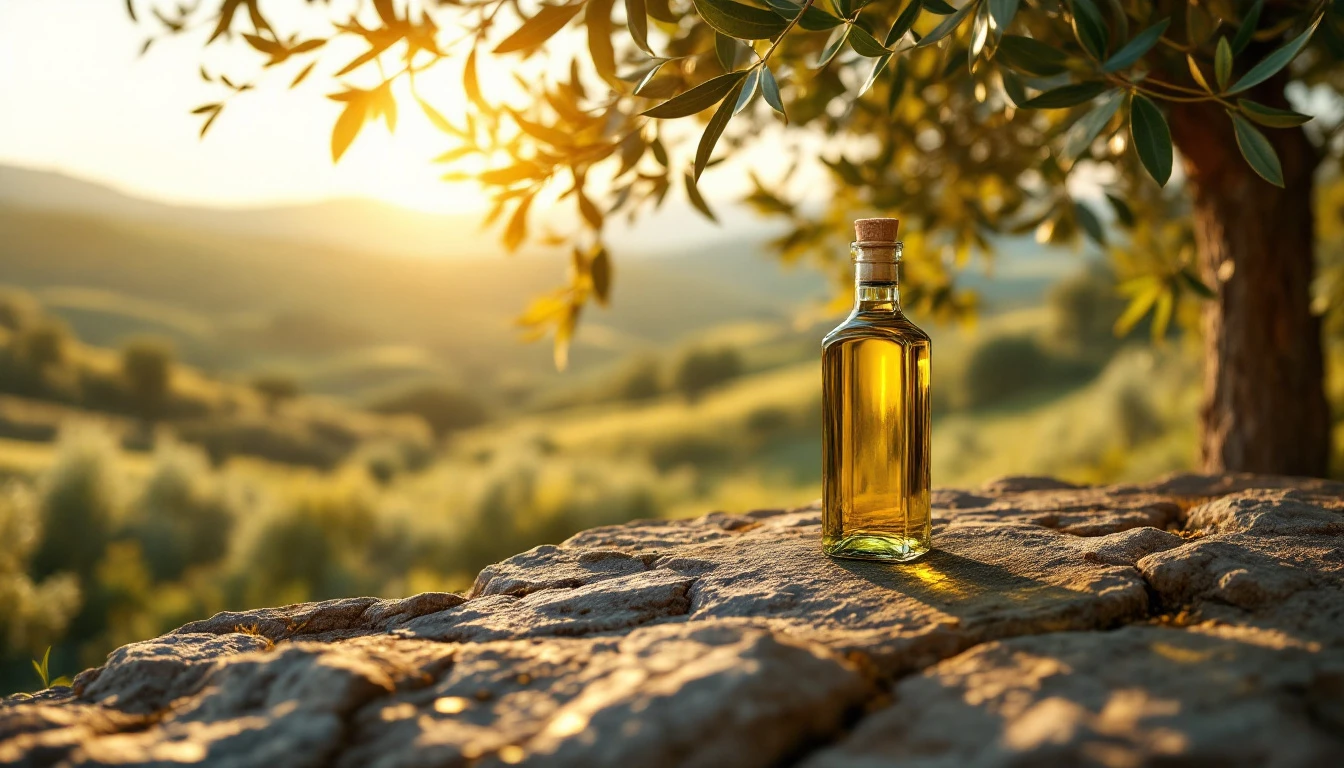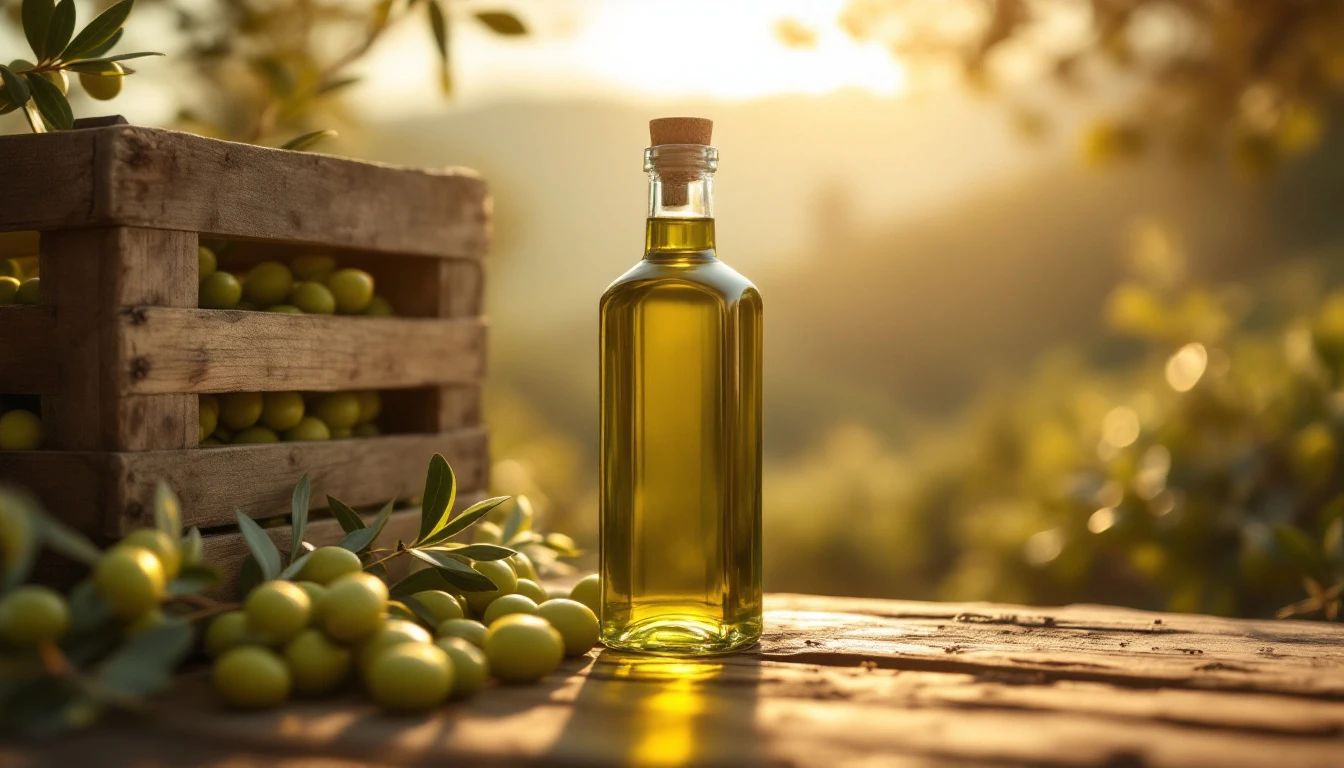
The best high polyphenol olive oil is an extra virgin oil made from early-harvested olives, cold-extracted within hours of picking, labelled with a harvest year, shielded from light and traceable to a named estate. Polyphenols are one signal of quality, not the whole verdict. They count only when freshness, origin and storage keep them intact.
In practice, six checks separate an exceptional oil from a generic label: a printed harvest date, early harvest, cold extraction, a verifiable origin, opaque packaging and sensory proof on the palate. This short answer walks through each one. For the full picture, the complete guide to the best high polyphenol olive oil goes deeper into the chemistry and the Tuscan context.
How Many Polyphenols Make an Olive Oil “High Polyphenol”?
Polyphenols are natural phenolic compounds produced by the olive tree to protect its fruit. In oil they show up as three familiar names: hydroxytyrosol, oleuropein and oleocanthal. They shape bitterness and pungency, and they help the oil resist oxidation. That is why they matter to a taster: they are part of how a fresh oil tastes and how well it holds its character.
A high polyphenol olive oil is generally one whose total phenolic content sits above roughly 250 to 300 mg/kg. Robust early-harvest oils can exceed 400 to 500 mg/kg, while many ordinary extra virgin oils fall below 200 mg/kg.
| Category | Typical total phenols (mg/kg) | What you usually taste |
|---|---|---|
| Many ordinary extra virgin oils | Below 200 | Soft, mild, little bitterness |
| High polyphenol oils | About 250–300 and above | Green fruit, clear bitterness, pepper |
| Robust early-harvest oils | 400–500 and above | Intense, grassy, pronounced pungency |
Treat these figures as orientation, not law. They shift with cultivar, season and laboratory method, and a number on a back label means little without a harvest year beside it. Our position is simple: a polyphenol figure that cannot be tied to a vintage, an estate and a protective container is marketing, not proof. We make no health claims here. What polyphenols give you, verifiably, is flavour and stability.
Early Harvest and Cold Extraction: Why Timing Decides Polyphenol Content
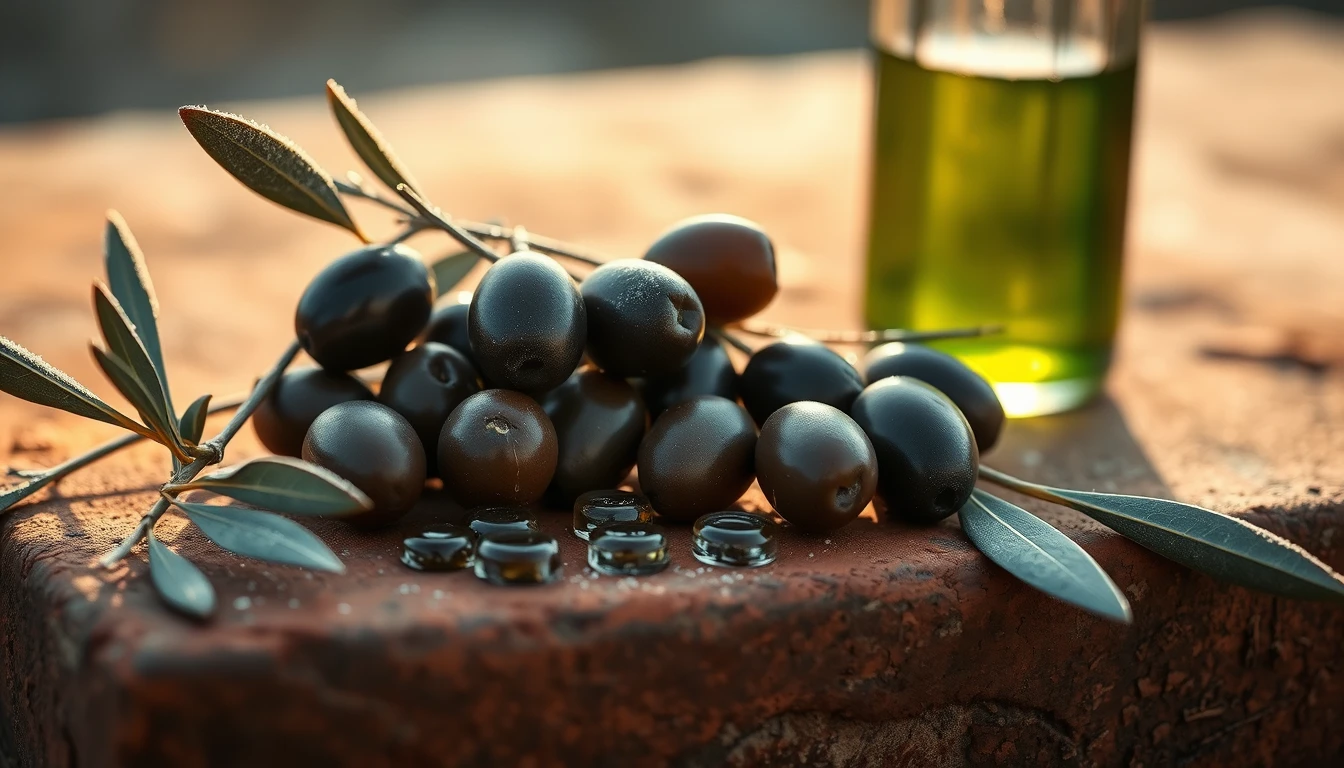
Polyphenol content is highest when the olive is young. In Tuscany, early harvest typically means October to early November, when the fruit is still green and just turning violet. As the olive ripens, it yields more oil but fewer phenolic compounds. A grower who picks early accepts a smaller yield in exchange for intensity. That trade is the first mark of a serious producer.
The second mark is speed. Olives begin to ferment and oxidise soon after picking, so the best mills crush within hours. Cold extraction means the olive paste is kept below 27 °C during malaxation, the slow kneading that releases the oil. Heat coaxes out more volume, but it strips aroma and burns off the delicate phenolic compounds.
What to look for on the label
- “Cold extracted” or “cold pressed” with a clear reference to the 27 °C limit.
- A harvest period, such as “early harvest, October”, rather than only a vague season.
- The word “novello” or a stated vintage, which signals a fresh, recent pressing.
If you want to understand how pungency connects to these choices, the guide to recognising a high oleocanthal olive oil explains the throat-catching sensation in detail.
Harvest Date and Verifiable Origin: How to Read a Tuscan Label
A “best before” date tells you almost nothing. It is usually set around 18 to 24 months after bottling and says nothing about when the olives were picked. What you want is a harvest year printed on the container. An oil from the 2026 harvest is a different object from an anonymous blend of uncertain age.
Origin deserves the same scrutiny. “Tuscan” on its own is too vague to be useful. A trustworthy label names the estate, the village and the valley. Val d’Orcia, with the hill town of Pienza at its heart, is a landscape with a precise identity: clay soils, wind, light and a centuries-old olive tradition. A named place is a promise you can check. A region alone is a hope.
A quick label test
- Is there a harvest year, not only an expiry date?
- Is the producer named, with a physical location?
- Does the label say where the olives were grown and where they were milled?
- Is there a lot or bottle number you could quote back to the producer?
If two or more answers are no, keep walking. For a broader look at what makes an oil genuinely Tuscan, see our guide to Tuscan extra virgin olive oil, origin, freshness and craft.
Opaque Packaging: Why Light and Air Undo Polyphenols
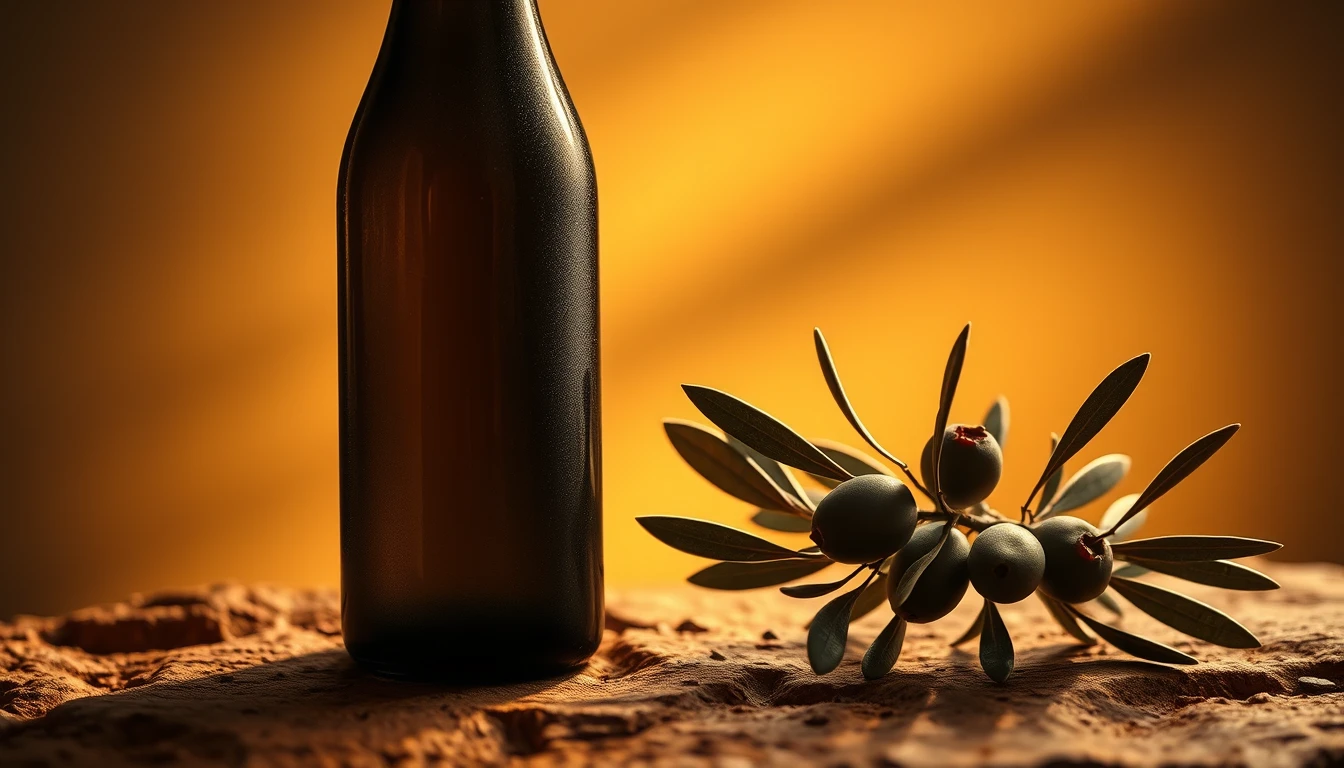
Here is where most oils fail, however good they were at the mill. Light and oxygen are the two enemies of polyphenols. Clear glass lets light pass straight through, and on a bright supermarket shelf an oil can lose its aromatic edge long before it reaches your table. Dark glass helps. A fully opaque container does more, because it blocks light entirely.
This is the principle behind the Eleivas 2026 Limited Vintage: 100 ml of Tuscan oil in a hand-numbered terracotta amphora, sealed with wax. The vessel is not decoration. Terracotta is opaque, it is a material the Etruscans and later Mediterranean cultures trusted for storing oil, and a wax seal keeps air out until the moment you choose to open it. Each of the 100 amphorae is hand-engraved with a Roman numeral from I to C, so the object is also verifiable: no two are the same, and none exist beyond number C.
Terracotta versus glass
| Container | Light protection | Best use |
|---|---|---|
| Clear glass | None | Avoid for any oil you value |
| Dark glass | Partial | Acceptable, kept in a cupboard |
| Sealed terracotta | Complete | Preservation, gifting, keeping |
Once the seal is broken, the clock matters. Enjoy the oil within 3 to 4 months for maximum aromatic intensity, kept away from heat and light. For the wider science of shelf life, read how long olive oil can last.
How to Taste a High Polyphenol Olive Oil: Bitterness, Pungency and Green Fruit
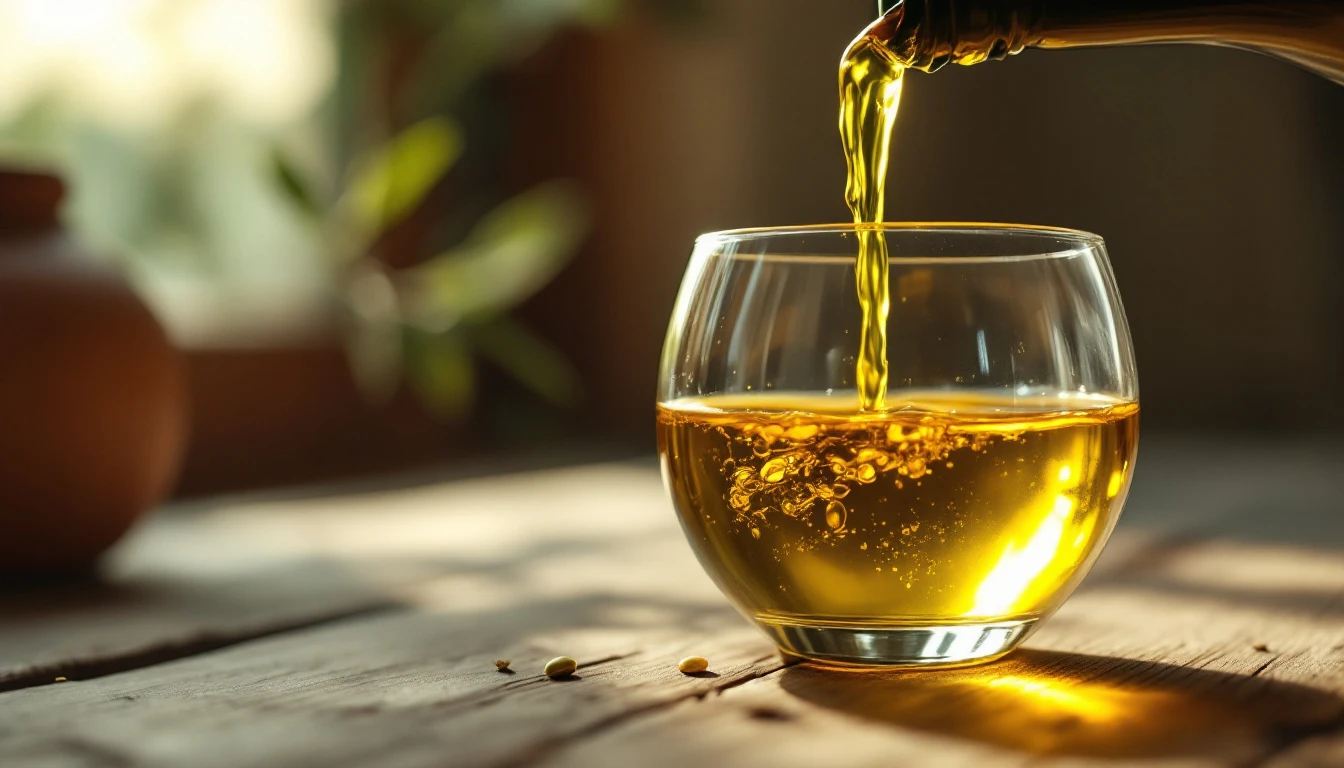
You do not need a laboratory to confirm what polyphenols are doing. Your palate is a reliable first instrument. Pour a teaspoon into a small glass, cup it in your hand for a minute to warm it, then breathe in before you sip.
- Aroma. Look for cut grass, green tomato leaf, artichoke or fresh almond. Flat, waxy or stale scents suggest age or poor storage.
- Bitterness. A clean bitter note on the tongue, often linked to oleuropein, is a good sign in a young oil, not a defect.
- Pungency. A peppery tickle at the back of the throat, often prompting a short cough, is the signature of oleocanthal.
- Balance. The finest oils carry all three in harmony, with a long, clean finish.
Taste does not lie about freshness. An oil that is smooth, greasy and anonymous has either come from late-picked fruit or has aged poorly. Our view is that a little challenge on the palate is the point. It is a sign of life.
Use it, or keep it?
Both are legitimate, but an oil this precise is meant to be tasted. Drizzle it over warm bread, a ripe tomato, a simple bean soup or a piece of fresh cheese, where its character can be heard clearly. Keep the amphora as an object if you wish, with the seal intact, and open it for an occasion. If you are choosing something for another person, the guide to an olive oil gift set from Italy explains what makes a gift worth keeping.
Frequently Asked Questions
What is the best high polyphenol olive oil?
It is an early-harvest Tuscan extra virgin oil, cold-extracted within hours, labelled with a harvest year, packed in opaque material and traceable to a named estate. Polyphenols alone do not decide quality. Freshness, origin and storage decide whether they survive.
How many polyphenols should a good olive oil have?
A total phenolic content above roughly 250 to 300 mg/kg is generally considered high. Robust early-harvest oils can exceed 400 to 500 mg/kg. Results vary by cultivar, season and laboratory method.
Does a high polyphenol olive oil taste different?
Yes. Expect green, grassy aromas, a clear bitterness and a peppery finish in the throat. These sensations come from compounds such as oleuropein and oleocanthal, and they signal a fresh oil.
How long does the oil stay fresh once opened?
For maximum aromatic intensity, enjoy it within 3 to 4 months of breaking the seal, stored away from light and heat. The Eleivas 2026 Limited Vintage follows this guidance.
Why is terracotta better than clear glass?
Terracotta is fully opaque, so it blocks the light that degrades aroma and polyphenols. Clear glass offers no protection against light, which is why we reject it for oils meant to be kept.
From Criteria to Cupboard: Choosing an Oil Worth Keeping
Judge an oil by light, freshness and provenance, never by the label alone. The Eleivas 2026 Limited Vintage applies all three: an opaque terracotta amphora, a wax seal and a run of only 100, numbered I to C. If you want one for your table or as a gift for someone who will understand it, secure your allocation of the Eleivas 2026 Limited Vintage before the run is complete.