The short answer: a phenolic compound that stings the throat
Oleocanthal is a phenolic compound found in fresh, early-harvest extra virgin olive oil. It activates pain-and-irritation receptors at the back of the throat, producing a sharp peppery sting that often triggers one or two coughs. In a Tuscan oil, that cough is not a defect. It is a sign of freshness and of olives pressed green, and of an oil that has been kept away from light and air.
The name tells the story: oleo (olive), canth (sting) and al (aldehyde). Researchers at the Monell Chemical Senses Center in Philadelphia identified the compound in 2005, after noticing that the throat sensation of certain oils closely resembled that of ibuprofen. We make no health claims here. What matters at the table is simpler: oleocanthal is the reason a great oil does not taste like a mild, buttery condiment.
Why the cough happens, and why Tuscany is known for it
Oleocanthal is a secoiridoid, a molecule that forms when olives are crushed and enzymes act on compounds in the fruit. It dissolves in the oil and, as you swallow, it stimulates the TRPA1 receptor, the same sensor that reacts to mustard oil and raw ginger. The reaction is felt not on the tongue but in the throat, usually a second or two after the oil has gone down. Many people cough reflexively.
Three factors explain why Tuscan oils have this reputation:
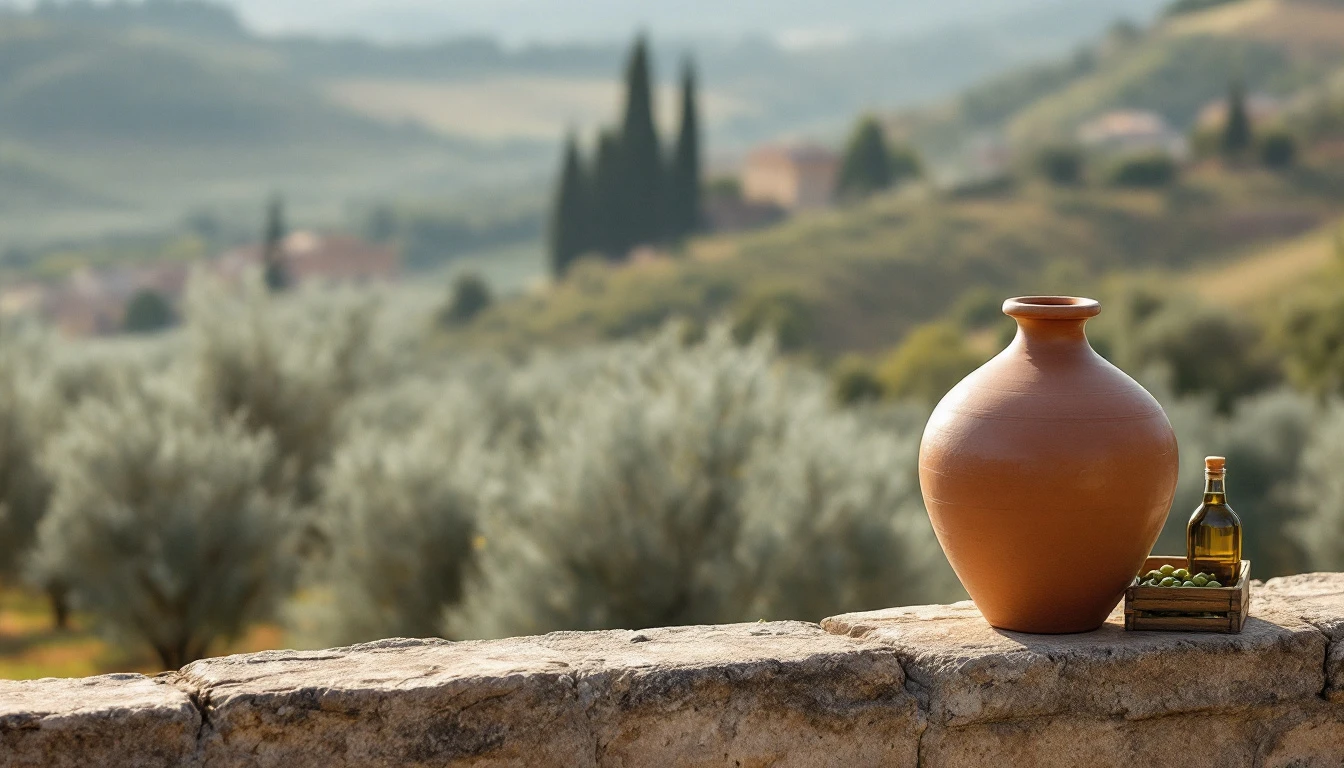
- Cultivars. Frantoio, Moraiolo, Leccino and Correggiolo, the backbone of Tuscan groves, tend to produce oils with marked bitterness and pungency when harvested early.
- Harvest timing. Olives picked in October and early November, still green and violet, carry more phenolic compounds than fully ripe fruit. Late harvests give softer, rounder oils.
- Cool, quick extraction. Pressing soon after picking, at low temperature, preserves what the fruit has built through the season.
The year matters too. A dry summer or a heavy olive-fly season changes the fruit, and published analyses of oleocanthal range from under 50 mg/kg to several hundred mg/kg. That spread is why a single number on a label says little, and why the throat is a surprisingly good first instrument. For a deeper look at how to read it, see our guide to recognising high oleocanthal olive oil.
How to taste it properly: a three-step method
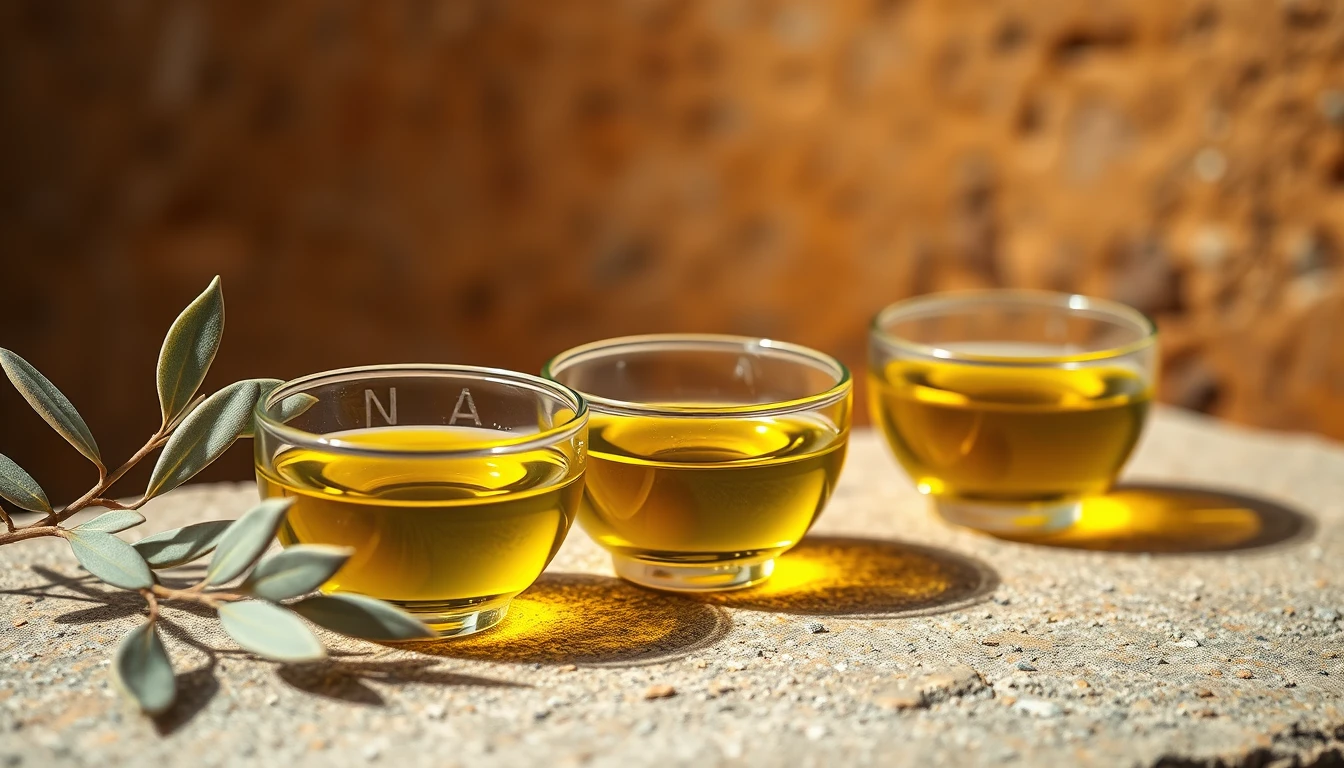
You do not need a laboratory. You need a small glass, a few minutes and some attention.
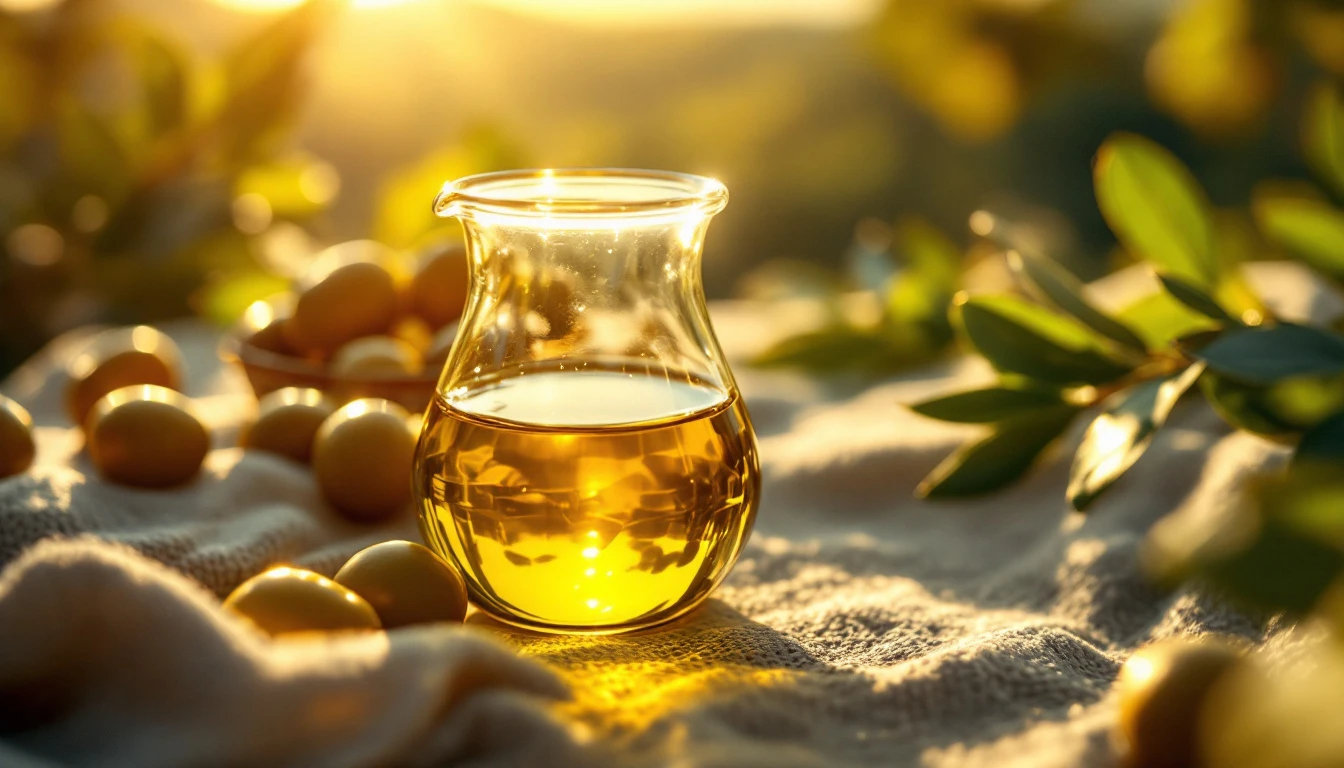
- Warm and smell. Pour about a teaspoon into a small glass, cover it with your palm and hold it for 30 seconds. Uncover and breathe in. Look for cut grass, green tomato leaf, artichoke or almond. These are the aromas of fresh fruit.
- Sip and draw in air. Take a small sip, press the oil against the palate and draw air through your teeth. This spreads the oil and releases the aromas through the back of the nose.
- Wait for the finish. Bitterness registers first, on the tongue. Pungency arrives later, in the throat. A well-balanced oil shows both, in proportion, and the sensation fades cleanly rather than lingering unpleasantly.
Take a worked example: a 15 ml spoonful of a robust early-harvest oil will, for most people, produce a clear tingle and perhaps a short cough. The same quantity of a mild supermarket blend will taste of almost nothing. Neither response is a guarantee of quality on its own, but the contrast is instructive.
Common mistakes when judging a peppery oil
- Confusing pungency with rancidity. Rancid oil smells of crayons, putty or stale nuts and has a greasy, flat finish. It does not sting. A peppery cough comes with a green, lively aroma.
- Assuming any cough proves excellence. Pungency indicates phenolics, but a defect-free aroma, balance and a verifiable origin must accompany it. A named grove matters more than the word “Tuscan” on the label.
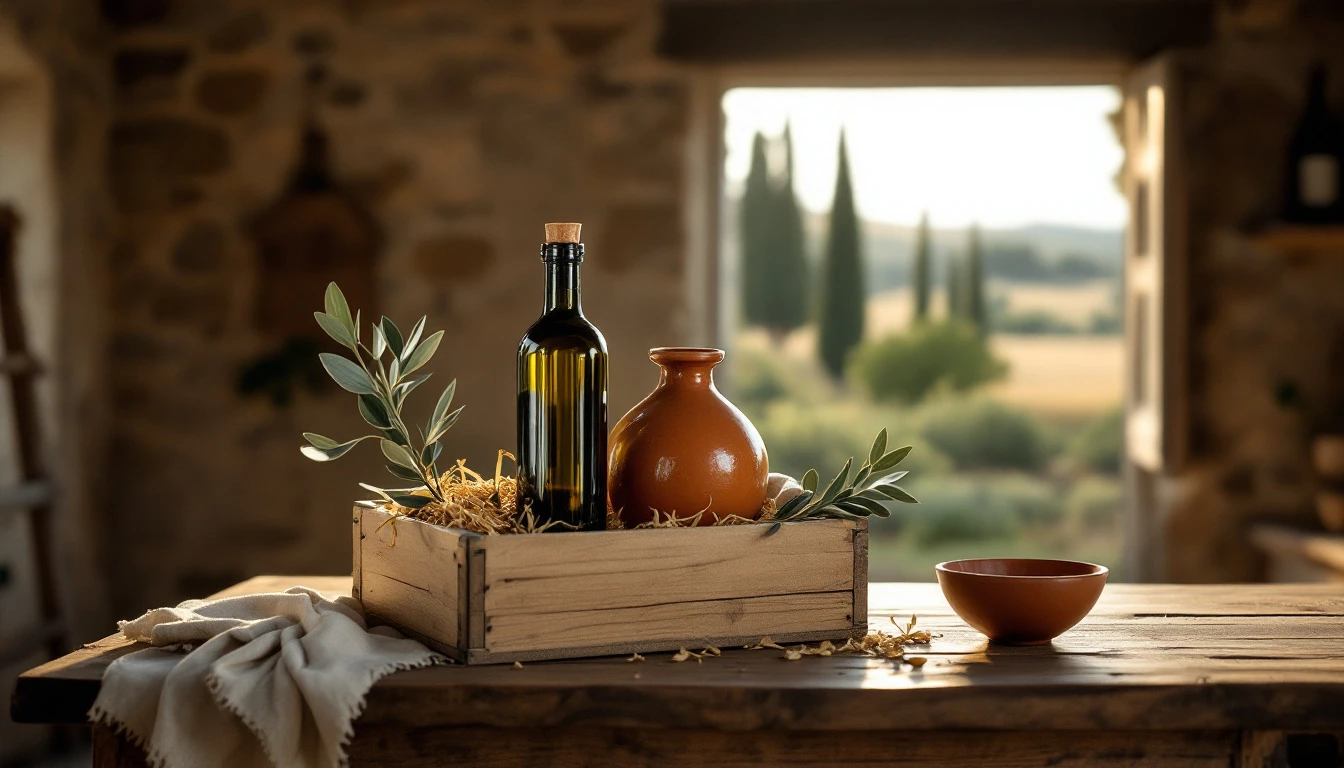
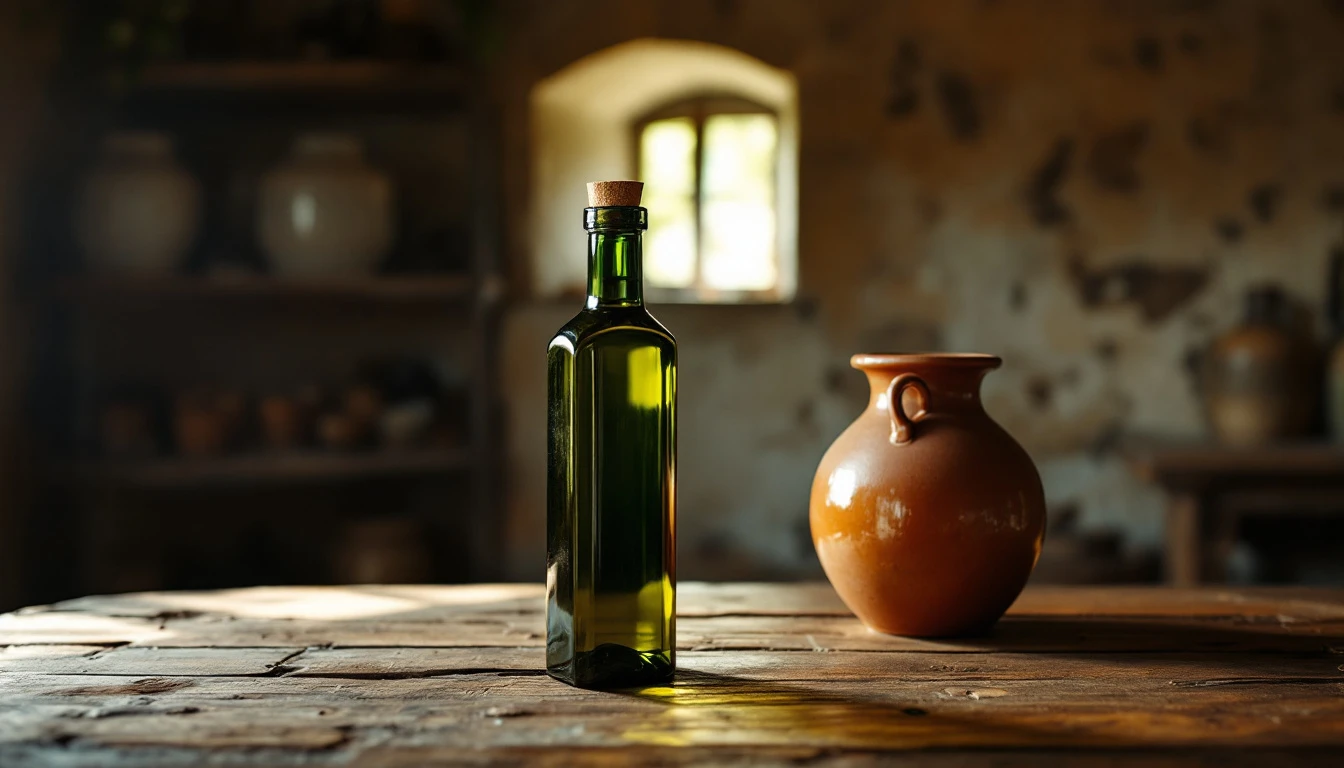
- Ignoring storage. Oleocanthal degrades with light, heat and oxygen. An oil that stung in November can taste muted by the following summer if it sat in clear glass on a bright shelf. This is why we choose an opaque terracotta vessel, and why the shelf life of Tuscan extra virgin depends as much on the container as on the grove.
- Judging by price or by a polyphenol number alone. Without harvest date, origin and packaging, a figure in mg/kg is just a figure.
Once a seal is broken, oxygen begins to work. For maximum aromatic intensity, we suggest finishing a 100 ml amphora within three to four months. Use it as you would a fine finishing oil: over warm white beans, grilled bread, a ripe tomato, or a simple soup. Heat dulls the pungency, so add it at the last moment.
Where to go from here
If the idea of an oil with real character appeals to you, the full picture, from cultivars to documents to storage, is in our complete guide to high oleocanthal Tuscan extra virgin. And if you would like to taste the 2026 vintage for yourself, 100 hand-numbered terracotta amphorae are available: secure your allocation.