Sealed and kept in the dark, Tuscan extra virgin olive oil lasts 18 to 24 months from bottling. Its aromatic peak is shorter: the first 12 months after harvest. Once opened, it is best within 3 to 4 months, and acceptable for up to about 6. Olive oil does not spoil like milk. It fades, and light, heat and oxygen decide how fast.
Shelf life at a glance: what the numbers mean
The figures below assume a well-made oil, pressed within hours of picking. In Tuscany that means harvest between mid-October and late November. Storage conditions matter as much as the calendar.
- Unopened, dark, 14–18°C (57–64°F): 18–24 months from bottling. The best aromatics fall in the first 12–18 months after harvest.
- Unopened, warm or bright place: noticeably flatter within 6–9 months.
- Opened, tightly closed, cool dark cupboard: 3–4 months at full aromatic intensity; up to roughly 6 months before it is merely acceptable.
- Opened, beside the stove or in a sunny window: weeks, not months.
Why does the oil fade rather than spoil? Fresh oil owes its green, grassy, peppery character to volatile aroma compounds and phenolic compounds, including polyphenols. Oxygen slowly breaks them down. Light accelerates the process, and so does warmth. Eventually the fats oxidise and the oil turns rancid. That is the point when it smells of crayons, stale walnuts or putty.
The useful question is not “when does it expire?” but “when does it stop being remarkable?” For a vivid Tuscan oil, that moment arrives long before any date printed on a label. The harvest date is the true starting line, and the best-by date is a legal convenience. For the full breakdown, including how to read harvest and bottling dates, see our guide to how long olive oil can last.
A worked example: one 100 ml amphora, opened
Take a small vessel of 100 ml. That is about 20 teaspoons, or roughly six and a half tablespoons. If the seal is broken on the day it arrives, the window for full aromatic intensity runs about 16 weeks. The arithmetic is gentle: one teaspoon every five or six days.
That pace suits how a high-character oil is meant to be used. It is a finishing oil, not a frying medium. A teaspoon over warm white beans, a ripe tomato, grilled bread or a bowl of ribollita is enough to release the scent of cut grass and artichoke, and the pepper at the back of the throat.
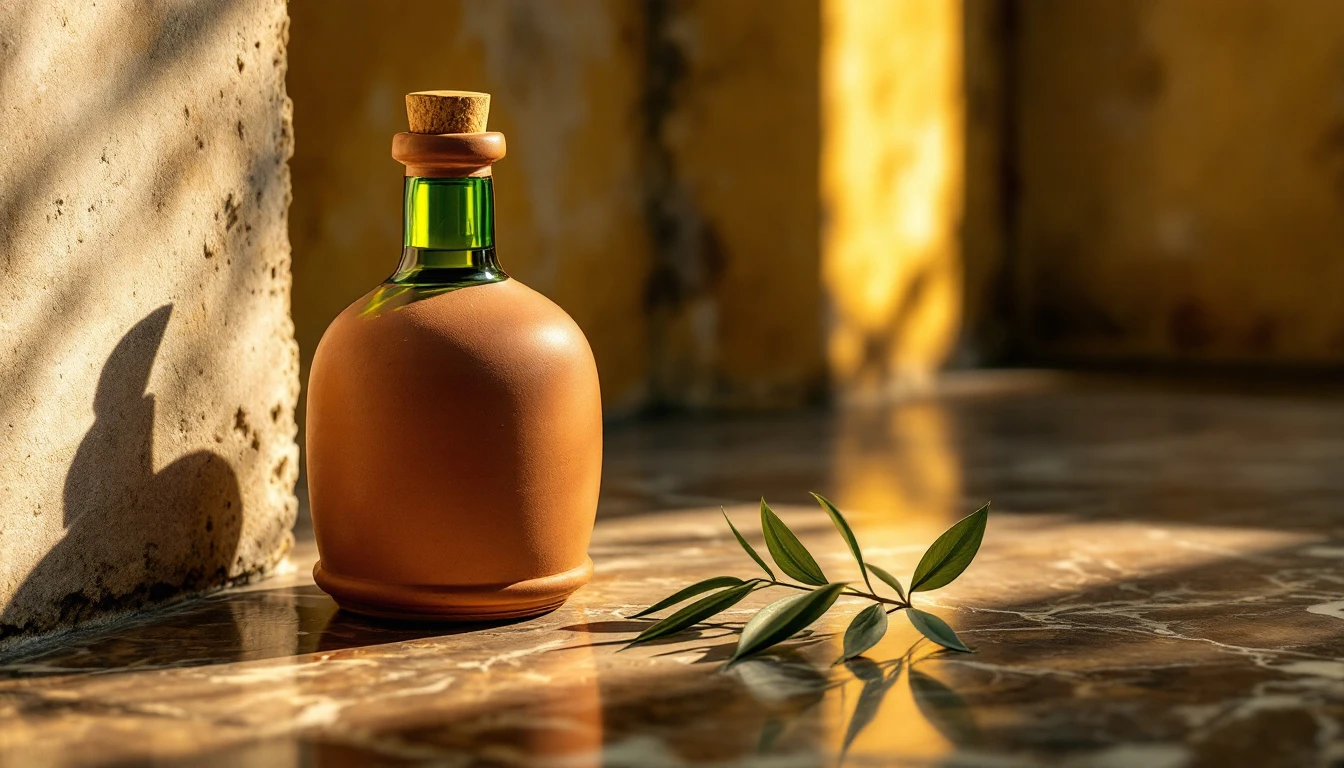
This is also why a small format is a deliberate choice rather than a limitation. A 3-litre tin of ordinary oil, opened and used over a year, spends most of its life oxidising. A 100 ml vessel is finished while the oil is still vivid. Eleivas follows this logic with its 2026 Limited Vintage: 100 hand-numbered terracotta amphorae, each sealed with wax. Once the seal is broken, we suggest enjoying the oil within 3–4 months. That is the same window as the general rule above. The vessel simply makes it easy to follow.
Four habits that protect the oil
- Keep it dark. Opaque terracotta, dark glass or tin all work. Clear glass does not. Light can degrade oil within weeks.
- Keep it cool and steady. A cupboard away from the oven and kettle, ideally near 14–18°C. Avoid the shelf above the hob.
- Close it after every use. Oxygen is the slow, constant enemy. Less air in contact with the oil means a longer life.
- Pour, don’t linger. Take what you need and put the vessel back. Do not decant into an open cruet that sits on the table.
Refrigeration is not necessary. If you do chill the oil, it will turn cloudy and may solidify. That is harmless and reverses at room temperature, but repeated temperature swings are no kindness to the aroma.
Common mistakes that shorten an oil’s life
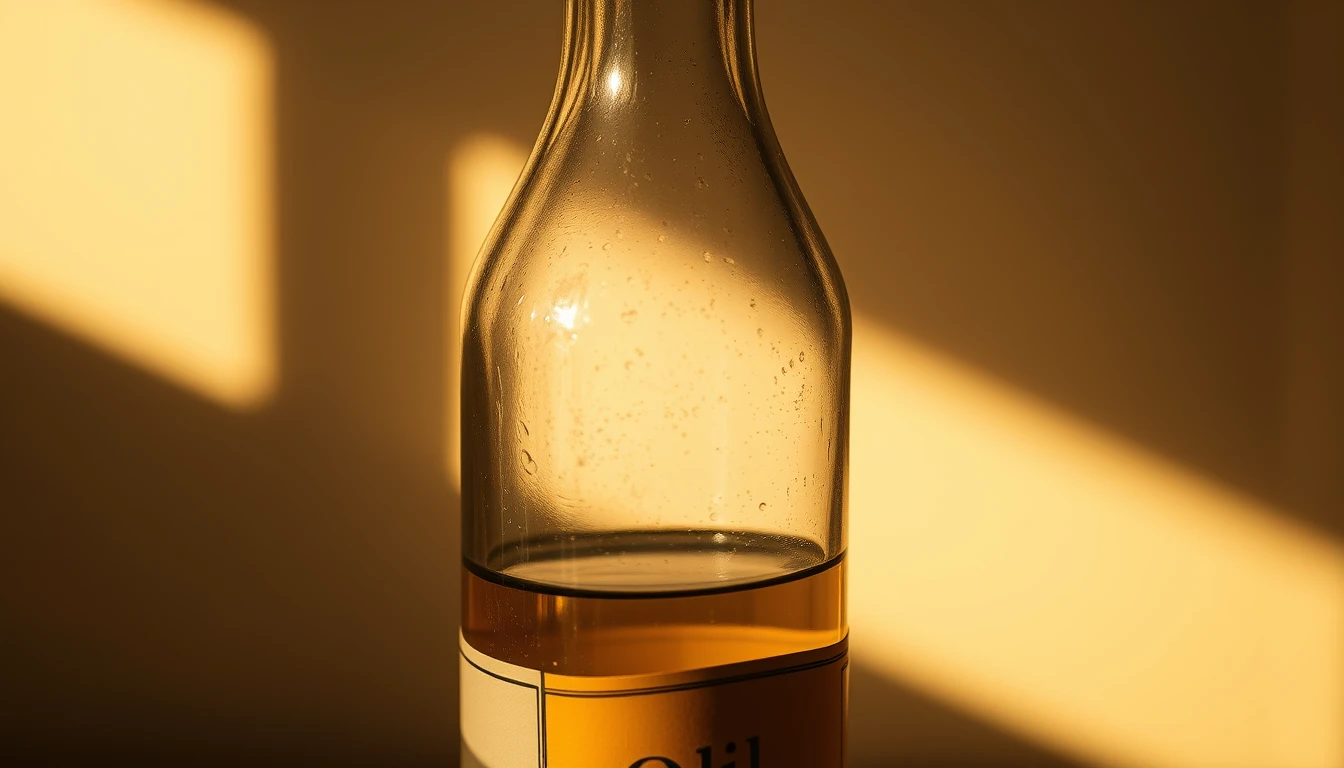
- Trusting the best-by date alone. An oil bottled 18 months after a mediocre harvest may already be tired. Look for a harvest year, and ideally a named estate. Our piece on the short answer on Tuscan extra virgin shelf life explains how to read these clues.
- Buying clear glass on a bright shelf. By the time it reaches your kitchen, the oil may have spent months under shop lighting. We would not buy it, however attractive the label.
- Storing it by the stove. It is convenient, and it is the fastest way to flatten a good oil.
- Saving it for an occasion that never comes. An unopened oil is not frozen in time. Sealed in the dark it lasts, but its peak is still moving past. A fine oil is meant to be used while the aroma is bright.
- Judging freshness by colour. Green or gold says little. Smell and taste are the reliable tests: fresh oil smells of grass, leaf, almond or artichoke. Rancid oil smells flat, waxy or like old nuts.
A simple test at home: warm a spoonful in cupped hands, cover it, then smell. If you find freshness, pour a little and taste. Bitterness and a peppery cough in the throat are signs of a lively oil. Neither is a fault. If the scent is absent or stale, the oil has passed its best.
Provenance also shapes how well an oil ages. Oil from a single estate, pressed promptly and stored properly, holds its character longer than a blend of unknown age. If you want to know what to look for, read what makes an extra virgin olive oil truly Tuscan.
If you are considering a numbered amphora from the 2026 vintage, whether to keep, give or pour, you can secure your allocation while the run of 100 lasts.
Frequently asked questions
How long does Tuscan extra virgin olive oil last unopened?
Between 18 and 24 months from bottling, if it is stored in the dark at 14–18°C (57–64°F). Its aromatic peak is shorter: the first 12 to 18 months after harvest. In a warm or bright place, it can go flat in 6 to 9 months.
How long is olive oil good after opening?
For full aromatic intensity, use it within 3 to 4 months. It stays acceptable for up to about 6 months if tightly closed in a cool, dark cupboard. It will not harm you after that, but it will taste dull, and eventually rancid.
Can olive oil go bad, and how can I tell?
Yes. It does not grow mould in the usual way, but it oxidises and turns rancid. Rancid oil smells like crayons, putty or stale nuts, and tastes greasy and flat with no pepper or bitterness. If it smells that way, use it for nothing, including cooking.
Should I keep olive oil in the refrigerator?
It is not necessary. A cool, dark cupboard is better. Cold makes the oil cloudy and semi-solid, which is harmless. But taking it in and out of the fridge exposes it to condensation and temperature swings, and gains you very little.
Does a small 100 ml format really make sense?
For a finishing oil, yes. At about a teaspoon every five or six days, 100 ml is used within the 3–4 month window of full aroma. A large bottle opened and used slowly spends most of its life oxidising.