Single estate on an olive oil label: the direct answer
“Single estate” on an olive oil label means the oil comes from olives grown on one farm, or one contiguous group of groves, and was milled and bottled under that producer’s control. It is a promise of traceability, not a legally protected term: no EU regulation defines it. The phrase is only as good as the details around it: a named estate, a harvest year, a mill, and a lot or bottle number.
What the term promises, and what it does not
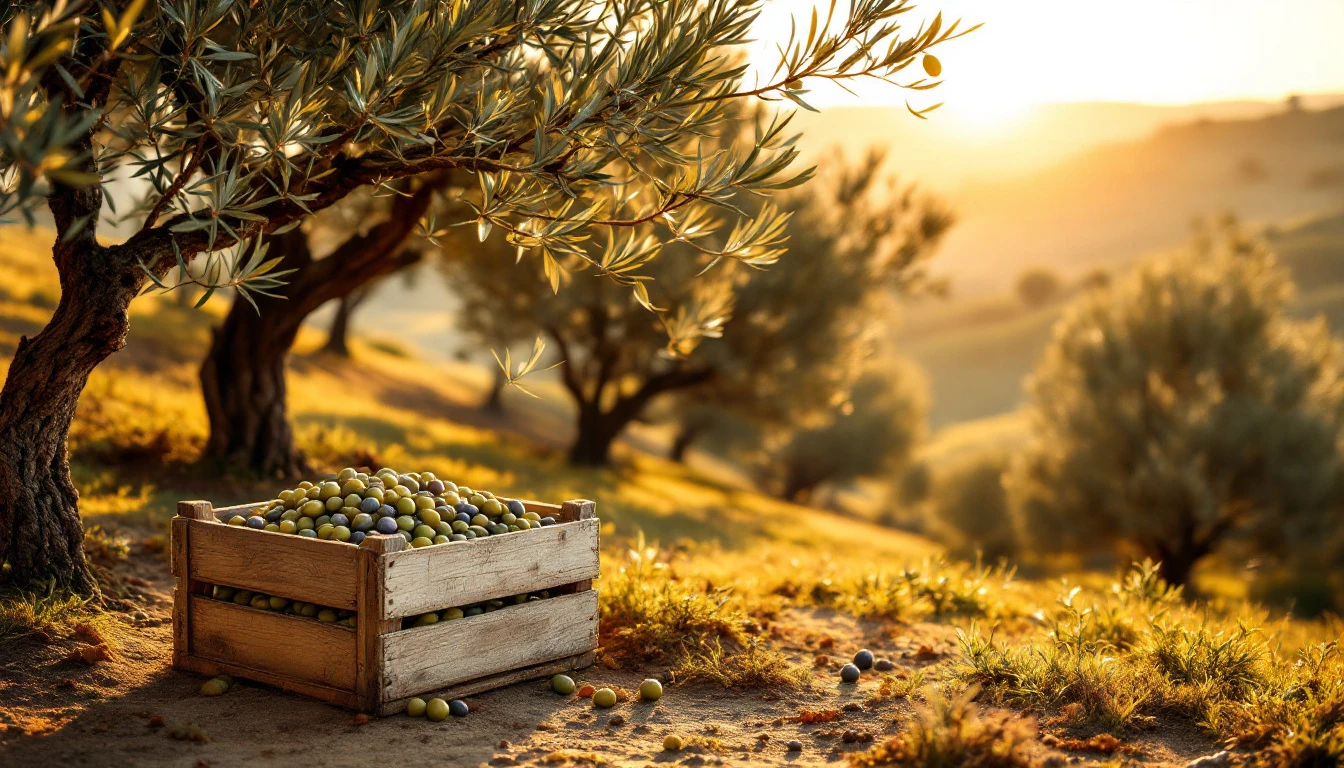
Think of single estate as a chain of custody that is short enough to inspect. The same hands tend the trees, decide the day of harvest, press the olives within hours and seal the bottle. When that chain is real, the producer can tell you which grove, which year and how many bottles exist. Our explanation of what single estate olive oil means covers the principle in full; the practical point is that a short chain is a verifiable one.
Now the limits. Single estate describes where the olives grew, not how good the oil is. A single estate oil can be fresh, green and peppery, or it can be tired and flat if it was harvested late or stored in clear glass on a bright shelf. Equally, it says nothing about cultivar. Those are separate questions:
- Single estate: one property, one harvest, full traceability.
- Monocultivar: one olive variety (for example Frantoio or Moraiolo), which may come from many farms.
- Blend: oils from several sources, often several countries and several harvests.
- Extra virgin: the top legal grade, mechanically extracted, with free acidity of 0.8% or lower and no sensory defects.
An oil can be single estate and monocultivar, single estate and blended from the estate’s own cultivars, or neither. Our view is plain: single estate is the most useful of these terms for a buyer, because it is the only one that lets you trace the bottle back to a place. The wider picture is in our complete guide to single estate olive oil.
How to check a single estate claim in four steps
Because the phrase is unregulated, treat it as a claim to test. Four details separate a genuine estate oil from a marketing adjective.
- A named place. Look for a specific estate, grove or locality, not just “Tuscan” or “Product of Italy.” A label can say “Tuscan style” and hold olives from several countries. A named grove can be asked about, visited and checked. This is the logic behind why a named grove matters more than the word Tuscan.
- A harvest year. A vintage such as “2026 harvest” tells you the oil comes from one season. “Best before” dates alone do not; they are usually set about 18 to 24 months from bottling.
- A mill and bottler you can identify. “Estate bottled” or “bottled at origin” (imbottigliato all’origine) means the producer filled the bottle. “Bottled in Italy” does not; it only says where the oil was packed.
- A lot or bottle number. This is the strongest signal. If a producer states a run size and numbers each bottle, the claim is checkable. A run of 100 vessels, each engraved with a Roman numeral from I to C, can be counted. “Limited edition” without a number cannot.
Protected designations add another layer. An official mark such as Toscano IGP or Orcia DOP is independently certified for the region. It confirms the area of origin, but a regional designation is not the same as one estate. The two can work together, and the second tells you more about the person behind the oil.
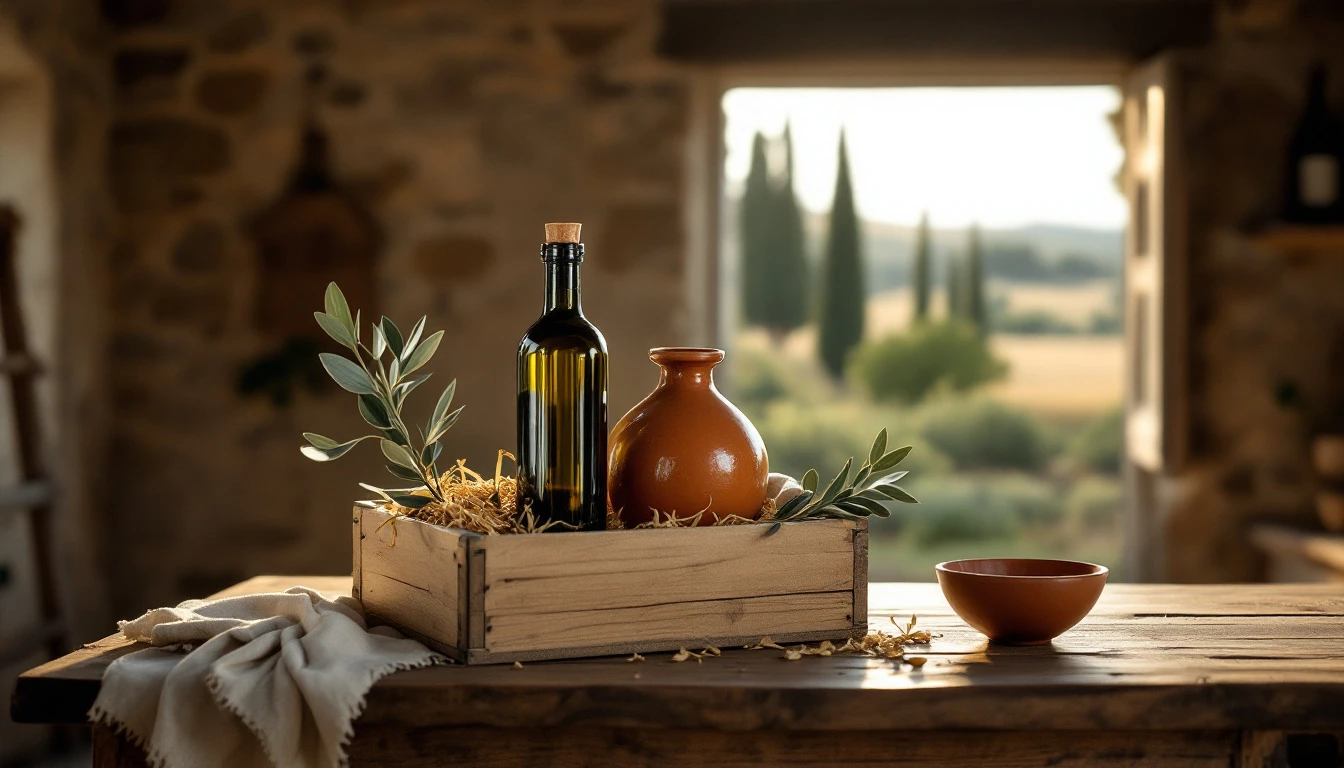
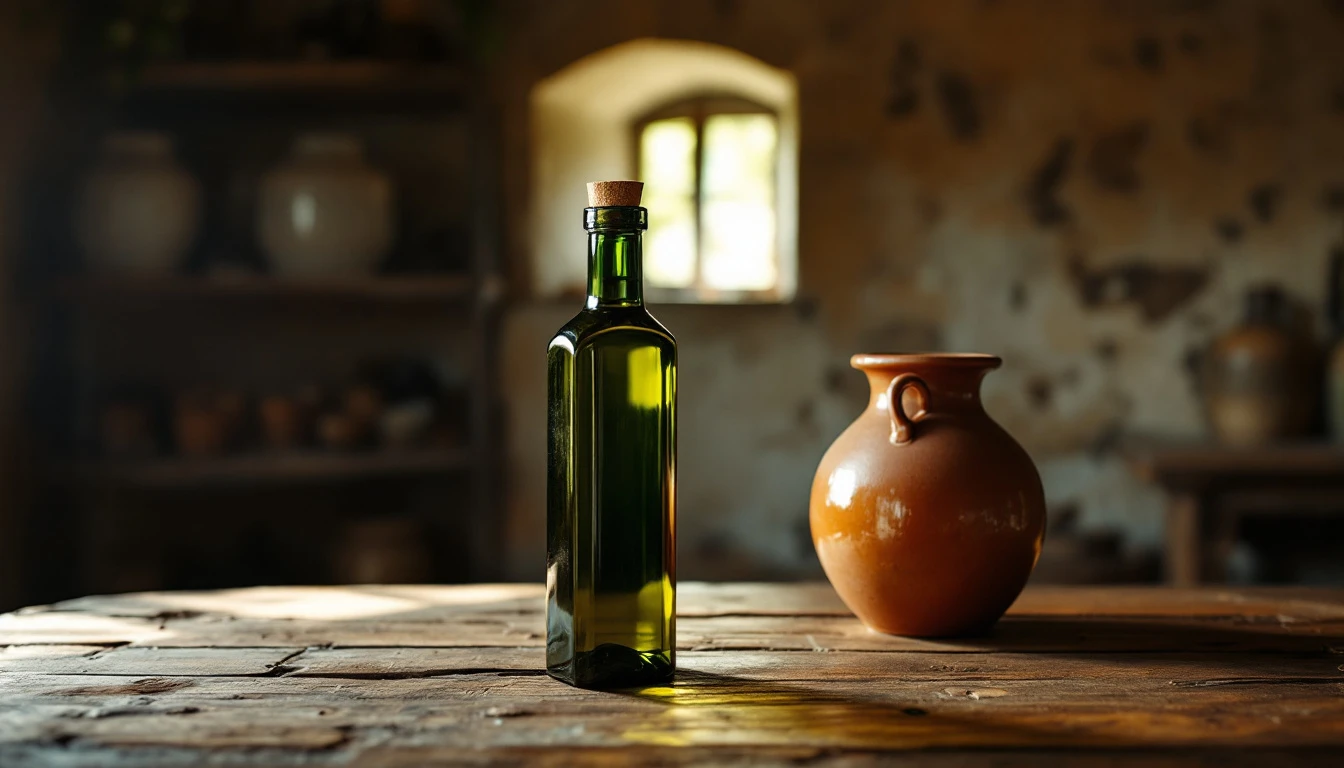
Packaging is the last clue, and the one supermarkets get most wrong. Light degrades oil, so a producer who truly cares about the oil protects it: dark glass, a tin, or an opaque terracotta vessel. Clear glass on a lit shelf means the oil has already lost much of its character before you pour it.
Common mistakes when reading the label
- Treating “single estate” as a quality grade. It is a statement about provenance. Judge freshness, harvest date and storage separately.
- Accepting “Italian” or “Tuscan” as origin. Both can describe a blend or a bottling location. Look for the grove and the year.
- Confusing single estate with monocultivar. One speaks to place, the other to variety. Neither implies the other.
- Trusting an adjective without a number. “Exclusive,” “premium” and “limited” mean little unless a run size, harvest year or bottle number backs them. We list the proofs in the four verifiable signals of a genuinely limited edition olive oil.
- Buying on polyphenol claims alone. High polyphenol content is worth understanding, but health claims without lab data are marketing, not provenance.
Once the seal is broken, even a perfect single estate oil is best enjoyed within about three to four months for maximum aromatic intensity. Provenance tells you what the oil was; careful keeping decides what it still is when you taste it.
Frequently asked questions
Is “single estate” a legally protected term for olive oil?
No. EU rules regulate the extra virgin grade and mandatory origin statements, but “single estate” has no official definition. Its credibility comes from the producer’s transparency about grove, harvest and bottling.
Is single estate olive oil always better than a blend?
Not automatically. A skilled blender can make an excellent oil. But a single estate oil is easier to verify, and that matters most when you pay a premium or give the bottle as a gift.
What is the difference between single estate and monocultivar olive oil?
Single estate refers to one property and one harvest. Monocultivar refers to one olive variety, which can be sourced from many farms. An oil can be both, one, or neither.
Does “single estate” mean the olives were also milled on the estate?
Not necessarily. A true estate oil is milled under the producer’s control, often at a trusted local mill within hours of harvest. Ask where and when the olives were pressed.
How can I verify a small producer’s single estate claim?
Look for a named grove, a harvest year, an identifiable mill and a lot or bottle number. A producer who can state how many bottles exist is making a claim you can actually check.
If you want to see these four details on a single bottle, our 2026 Limited Vintage puts them on the vessel itself: a hand-numbered terracotta amphora of 100 ml, one of only 100, sealed in wax. You can secure your allocation when you are ready, or keep reading through our olive oil journal.