The Short Answer: 250 mg/kg Is the Threshold, 400+ Is Exceptional
An olive oil is generally called “high polyphenol” when its total phenolic content is at least 250 to 300 mg/kg. Robust early-harvest oils can reach 400 to 500 mg/kg or more, while many ordinary extra virgin oils fall below 200 mg/kg. The 250 mg/kg line is not arbitrary: it matches the 5 mg of hydroxytyrosol and its derivatives per 20 g of oil set by EU Regulation 432/2012.
There is no single legal definition of “high polyphenol”. The term is an industry convention, which is why the figure only means something when you know how, when and on what oil it was measured. Our short answer on what makes the best high polyphenol olive oil sets the number in its wider context.
| Category | Total phenols (mg/kg) | What it usually means |
|---|---|---|
| Low | Below 150 | Late harvest, warm extraction, or long storage |
| Typical extra virgin | 150 to 250 | Mild, rounded, little bitterness |
| High polyphenol | 250 to 400 | Green fruit, clear bitterness, peppery finish |
| Very high polyphenol | 400 to 500+ | Early-harvest, intense, often from Tuscan cultivars such as Moraiolo or Frantoio |
These bands are working ranges, not regulations. Cultivar, season, altitude and rainfall all move the result from one year to the next.
Why the Number on a Label Can Mislead
A polyphenol figure is a photograph of one moment. The oil keeps changing after that photograph is taken. Three variables decide whether the number you read is the number you taste.
1. The measuring method
Laboratories use different techniques. The Folin-Ciocalteu colorimetric method reads all phenolic compounds and tends to return higher totals. HPLC, the method behind the EU health claim, isolates hydroxytyrosol, tyrosol and their secoiridoid derivatives, so the figure is narrower and more precise. A result of 350 mg/kg from one method is not directly comparable with 350 mg/kg from the other. Always ask which was used.
2. The date of the analysis
Polyphenols degrade through oxidation. Light, heat and oxygen accelerate the loss, and a figure measured at the mill in December can drop noticeably by the following autumn, especially in clear glass or a half-empty bottle. A certificate without a date is of limited value.
3. The harvest and extraction
Phenols are highest in olives picked green and violet, which in Tuscany means roughly October to early November. They are best preserved when the paste stays below 27 °C and the oil is extracted within hours. A high number from a late, warm-pressed oil is rare. A low number from an “early harvest” label is more common than it should be.
The full reasoning, including how origin, packaging and tasting fit together, is in our guide to the best high polyphenol olive oil from Tuscany.
How to Check a High Polyphenol Claim in Four Steps
- Look for a number, not an adjective. “Rich in polyphenols” is marketing. “412 mg/kg total phenols, HPLC, analysed January 2026” is evidence.
- Find the harvest year. A bare “best before” date tells you nothing about when the olives were picked. A stated vintage does.
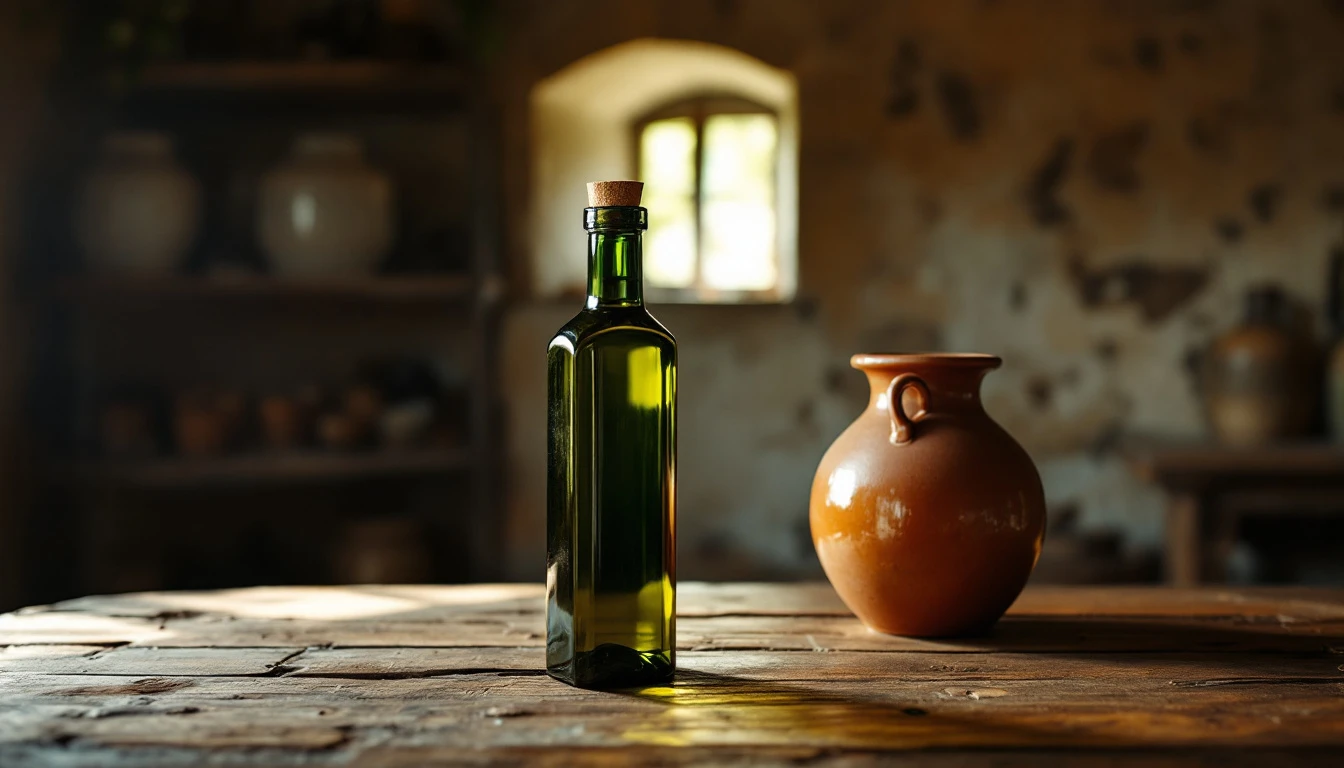
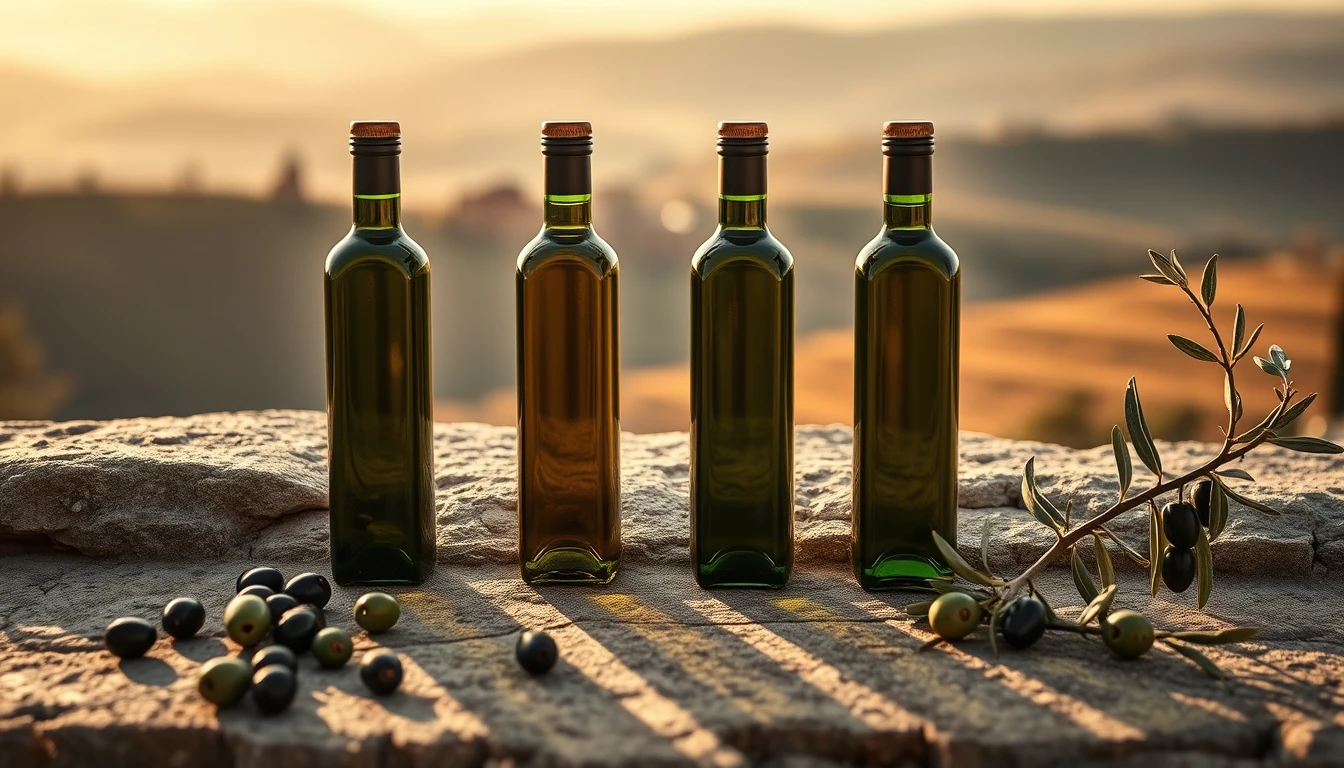
- Check the vessel. Opaque material, such as dark glass, tin or terracotta, protects what the laboratory measured. Clear glass undoes it on the shelf.
- Taste it. Take a small sip, warm the glass in your hand first, and notice three things: green, grassy fruitiness; a bitterness on the tongue; and a peppery sting at the back of the throat. That sting is linked to oleocanthal, a compound we explain in how to recognise a high oleocanthal olive oil.
A worked example: an oil analysed at 450 mg/kg at harvest, stored in light and warmth for a year, may deliver a fraction of that. A 300 mg/kg oil kept in an opaque container and opened recently can taste and measure better. Freshness and protection frequently outrank the headline figure.
Common mistakes to avoid
- Treating bitterness as a guarantee. It correlates with phenols but does not measure them. Defective oils can also taste harsh.
- Chasing the highest number. Above roughly 500 mg/kg an oil can be too aggressive for most dishes. A balanced oil at 300 to 400 mg/kg is often the better table companion.
- Relying on health claims. The EU claim concerns the protection of blood lipids from oxidative stress at a defined daily intake. It is not a promise of results, and we do not present polyphenols as a cure for anything. We value them as a marker of fruit, freshness and craft.
- Ignoring origin. A figure without a named estate cannot be verified against a harvest. See why a named grove matters more than the word Tuscan.
Keeping Polyphenols Intact After Opening
Once the seal is broken, oxygen begins its work. Keep the oil away from light and heat, close it after each use, and enjoy it within about three to four months for the fullest aromatic intensity. This is the logic behind the Eleivas 2026 Limited Vintage: 100 ml in an opaque, hand-numbered terracotta amphora with a wax seal, a size chosen to be used while the oil is still vivid rather than left to fade in a cupboard.
If you wish to taste what a protected, early-harvest Val d’Orcia oil is like, you can secure your allocation of the 2026 Limited Vintage, one of only 100 numbered amphorae.
Frequently Asked Questions
Is 250 mg/kg really high polyphenol?
Yes, it is the entry point. It is the level at which 20 g of oil supplies 5 mg of hydroxytyrosol and derivatives, the EU benchmark. For a distinctly robust oil, look for 300 mg/kg or more.
Does a higher polyphenol count mean a better olive oil?
Not automatically. Quality also depends on freshness, absence of defects, balance and storage. A well-kept oil at 300 mg/kg can outperform a poorly kept oil at 500.
Can I taste whether an oil is high in polyphenols?
Partly. Green fruitiness, noticeable bitterness and a peppery finish suggest a high phenolic content. Only laboratory analysis gives the actual figure.
How fast do polyphenols decline in olive oil?
It depends on storage. In light, warmth and air, losses can be significant within months. In opaque containers kept cool and sealed, the decline is far slower. After opening, aim to finish within three to four months.
Do all extra virgin olive oils have polyphenols?
All contain some, typically 100 to 250 mg/kg in mainstream oils. Concentration varies with cultivar, harvest time and extraction, so extra virgin status alone does not indicate a high level.