The Four Signals, in Order of Importance
A genuinely limited edition olive oil shows four verifiable signals: a declared run size with individually numbered units, a named place of origin such as Val d’Orcia, a light-proof container, and a stated harvest year. If any one is missing, “limited” is only a marketing word. Each signal can be checked on the label, or confirmed with the producer in a single email.
This is the short, practical version of a wider framework explained in What Makes a Limited Edition Olive Oil Genuinely Limited. Here we focus on one thing: what you can actually verify before you buy.
1. A declared run size, with numbered units
“Small batch” and “limited release” mean nothing without a figure. A real limited edition states the total: 100 units, 250 units, 500 units. The strongest version goes further and numbers each unit individually, so the figure can be audited and no one can quietly produce more.
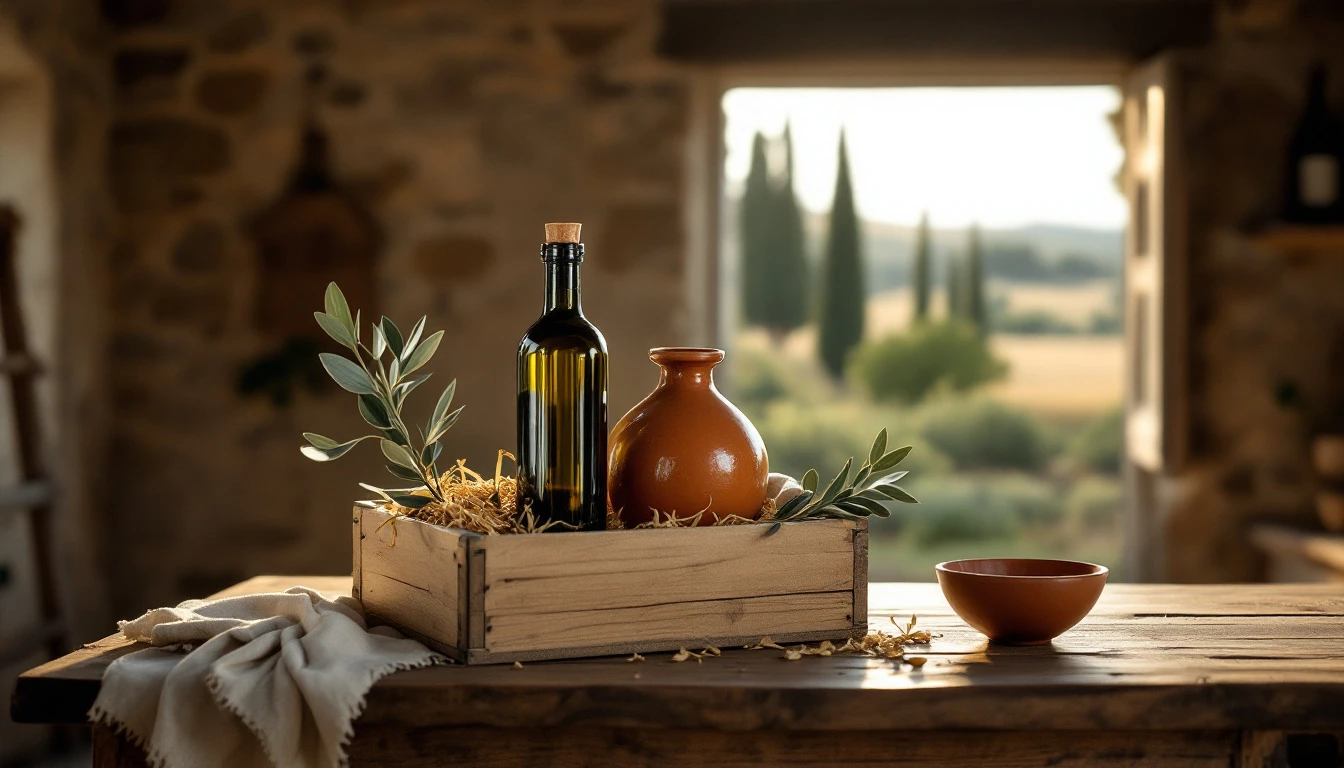
The Eleivas 2026 vintage is built on this principle: 100 terracotta amphorae of 100 ml each, hand-engraved with Roman numerals from I to C. You can hold number XLVII and know that exactly 99 others exist, and no more.
2. Verifiable provenance, not a regional adjective
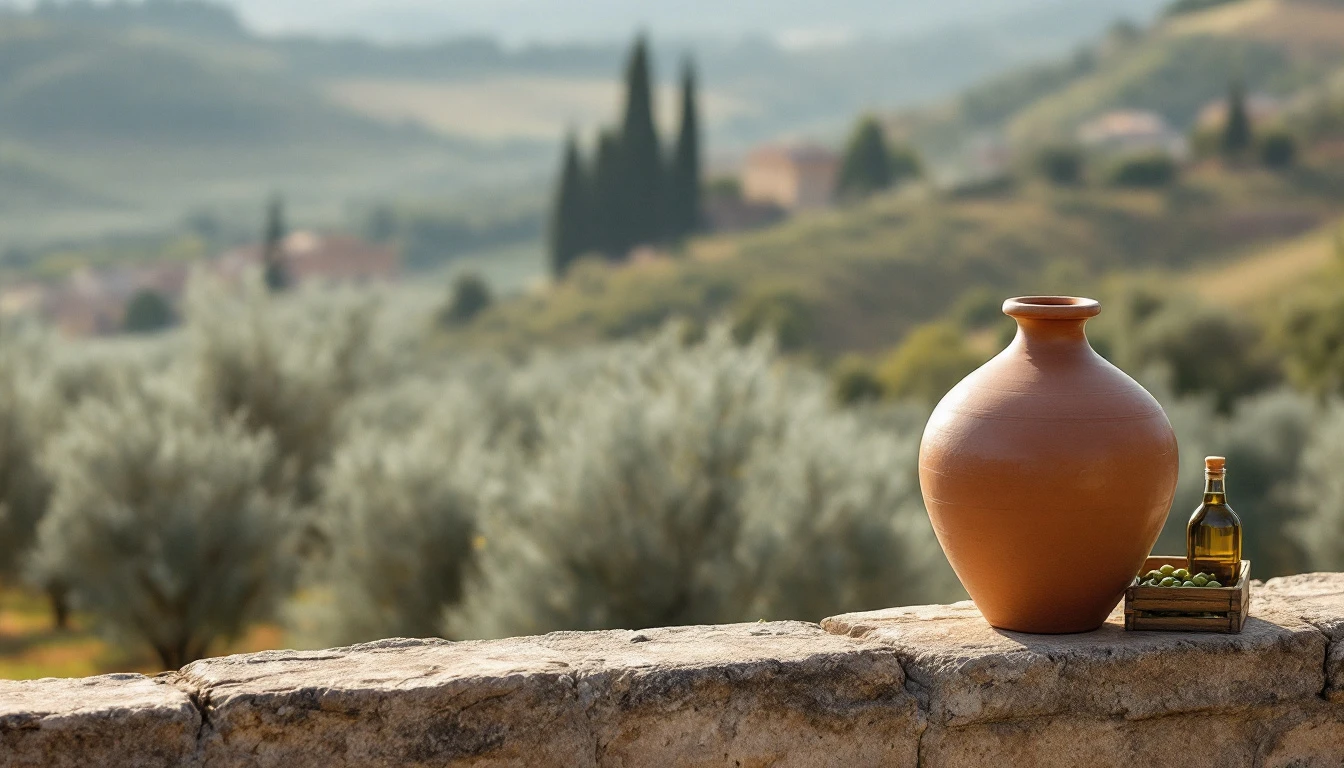
“Tuscan” on its own is a mood, not an address. A verifiable origin names a specific place: a grove, an estate, a municipality or a valley. Val d’Orcia is a place you can find on a map, visit and ask questions about. “Product of Italy” or “Bottled in Tuscany” tells you only where the bottling line stands, which can be very far from where the olives grew. For a deeper look, read why a named grove matters more than the word Tuscan.
3. A light-proof container
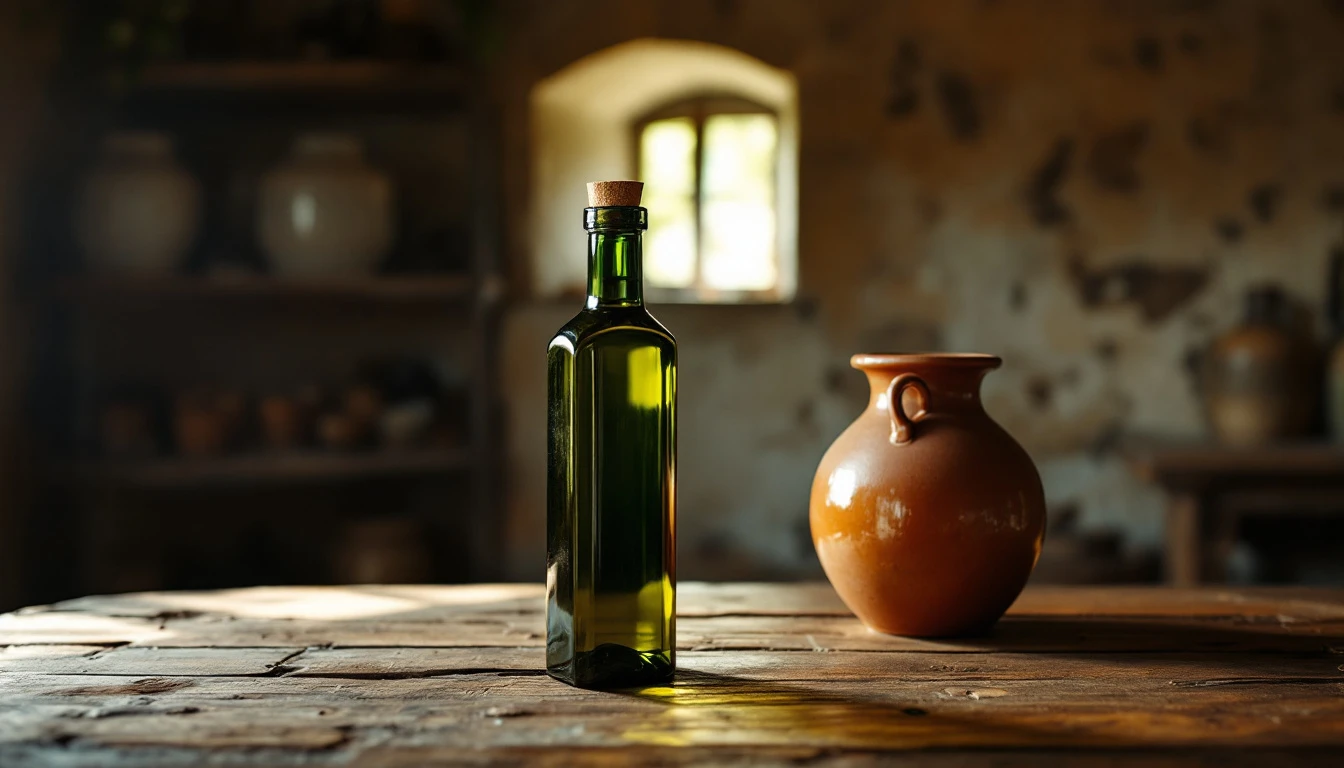
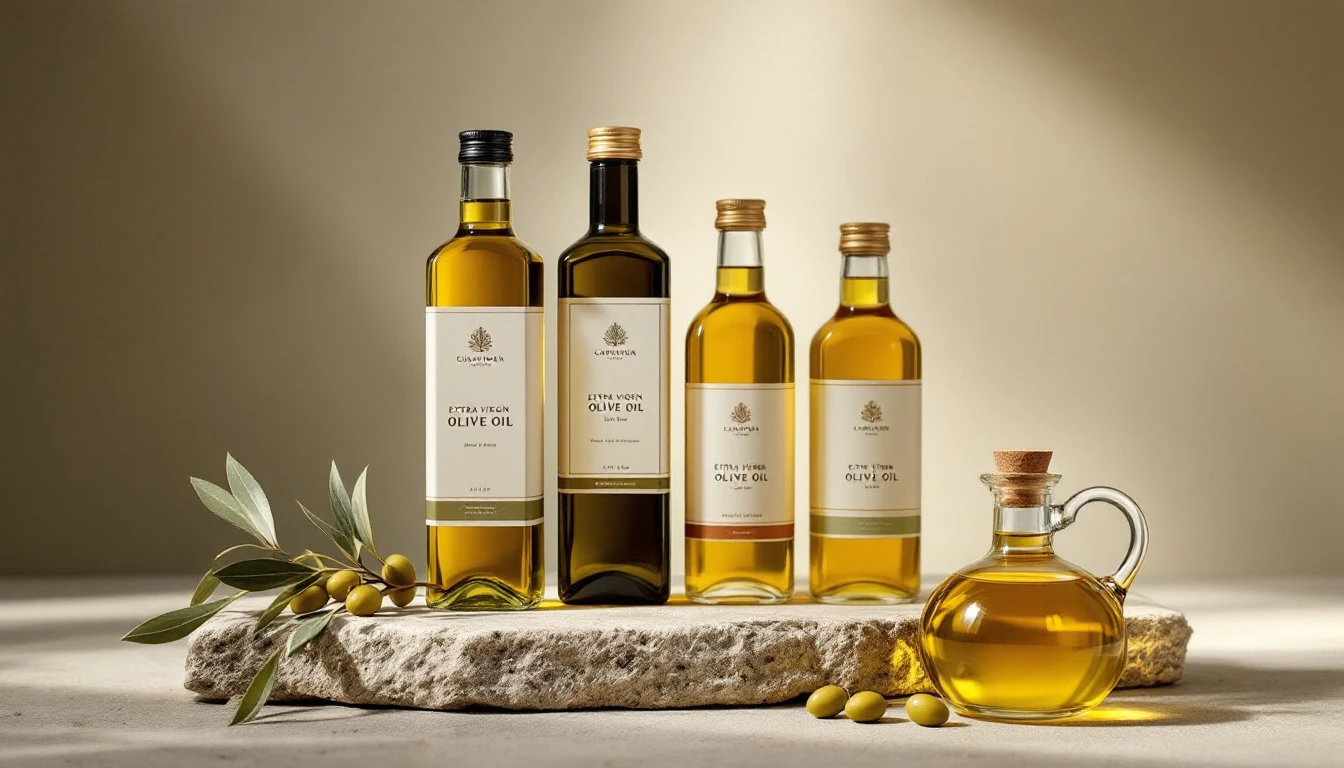
Light is one of the main enemies of olive oil, alongside heat and oxygen. Clear glass lets it through, and the oil begins to lose aromatic character on a shelf long before it reaches your table. A genuinely collectible oil is protected: dark glass at minimum, tin, or an opaque vessel such as glazed terracotta. If an oil is described as precious but sits in a clear bottle, the packaging contradicts the claim.
4. A stated harvest year
Freshness in olive oil is measured in months, not years. A harvest year (for example, 2026) tells you which season the olives came from. A “best before” date alone does not: it is usually set up to two years after bottling and says nothing about when the olives were pressed. A limited edition is, by nature, a single harvest, so the year should be printed plainly.
How to Check All Four in Five Minutes
You do not need a laboratory. You need four questions, asked in this order:
- “How many units exist in total, and is mine numbered?” A confident producer answers with a number. Hesitation or “a limited quantity” is a warning.
- “Which grove or estate, in which municipality?” Look for a place name you can locate. Bonus points for the producer naming cultivars and the pressing date.
- “What is the container made of, and does it block light?” Opaque is the answer you want. Anything transparent fails.
- “Which harvest is this?” One year, stated clearly. “Blend of harvests” is the opposite of limited.
A worked example: if a label says “Limited Edition Tuscan Extra Virgin, best before 2028, 250 ml, clear glass,” it passes none of the four tests. There is no run size, no place, no light protection and no harvest. Compare that with a vessel marked “No. XLVII of C, Val d’Orcia, 2026 harvest, opaque terracotta, wax-sealed”: every signal is present and can be confirmed.
Price is not a signal. A high price with no verifiable facts is simply a high price. This is also why a small format like 100 ml can be considered rather than stingy: it is a tasting measure for the moment, and the production behind it is genuinely scarce. A single litre of extra virgin oil commonly requires somewhere between 5 and 10 kg of olives, depending on cultivar, ripeness and season.
Common Mistakes When Judging “Limited” Oils
- Trusting the word “limited.” It is not regulated. Only a stated, checkable number carries weight.
- Confusing “numbered” with “limited.” Numbers on a label are meaningless if the total run is not declared. Batch 12 of an unlimited line is still an unlimited line.
- Accepting a region instead of a place. “Tuscan” covers an enormous territory and a wide range of quality.
- Ignoring light. A beautiful clear bottle is a display choice, not a quality choice.
- Relying on health claims. Polyphenol content can be discussed, but be wary of any seller who promises specific medical benefits. Verifiable facts such as origin, harvest and storage matter more.
- Treating it as a trophy only. Even the finest oil is meant to be tasted. Once opened, it is at its best for roughly 3-4 months; see how long Tuscan extra virgin olive oil really lasts.
For the full framework, including format, storage and gifting, the pillar guide Limited Edition Olive Oil: The Complete Guide to Tuscan Extra Virgin Worth Keeping covers it in depth.
Frequently Asked Questions
What is the most important sign of a genuinely limited olive oil?
A declared run size. Without a stated total, no one can verify scarcity. Individually numbered units make that figure auditable.
Is “small batch” the same as “limited edition”?
No. “Small batch” describes a production method and may be repeated indefinitely. A limited edition has a fixed, declared quantity from a single harvest.
Does a “best before” date prove freshness?
No. It reflects a shelf-life estimate, not the pressing date. The harvest year is the more useful indicator of freshness.
Why does an opaque container matter for a limited oil?
Light degrades the aromatic and sensory qualities of olive oil. Opaque vessels such as terracotta, tin or dark glass protect the oil from the moment it is bottled.
Should a limited edition olive oil be used or kept sealed?
Both are valid. Sealed, it remains a collectible object. Once opened, it is best enjoyed within about 3-4 months for maximum aromatic intensity.
See the Four Signals in Practice
If you would like to see all four signals applied to a single object, the Eleivas 2026 Limited Vintage is our answer: 100 hand-numbered terracotta amphorae, one harvest, one Val d’Orcia origin, one wax seal. Allocations are small by design, and you can reserve yours through the contact section.