The Four Verifiable Signals of a Genuinely Limited Edition Olive Oil
A genuinely limited edition olive oil is a single harvest, bottled in a fixed and declared number of units, with a traceable place of origin and packaging that shields the oil from light. If any one of those four elements is missing, “limited” is only a marketing word. The test is not how rare the label sounds. The test is whether you can check it.
In practice, there are four signals worth looking for, in this order of importance:
- A declared run size: a stated quantity, ideally with each unit individually numbered.
- Verifiable provenance: a named place such as Val d’Orcia, not a vague “Tuscan” or “Italian” claim.
- A light-proof vessel: opaque material protects oil far better than clear glass.
- A stated harvest year: freshness is measured in months, not years.
This is the framework we expand on in our complete guide, Limited Edition Olive Oil: The Complete Guide to Tuscan Extra Virgin Worth Keeping. Here, we take each signal in turn and explain why we hold the line on all four.
| Signal | Genuinely limited | Only a marketing word |
|---|---|---|
| Run size | “100 units, numbered I to C” | “Small batch” or “limited release” with no figure |
| Origin | A named valley, estate and harvest | “Product of Tuscany” or “Italian blend” |
| Container | Opaque terracotta, ceramic or dark metal | Clear glass in a decorative box |
| Harvest | Year stated on the vessel or certificate | No date, or only a long best-before |
Why a Declared Run Size and Hand Numbering Matter More Than the Word “Limited”
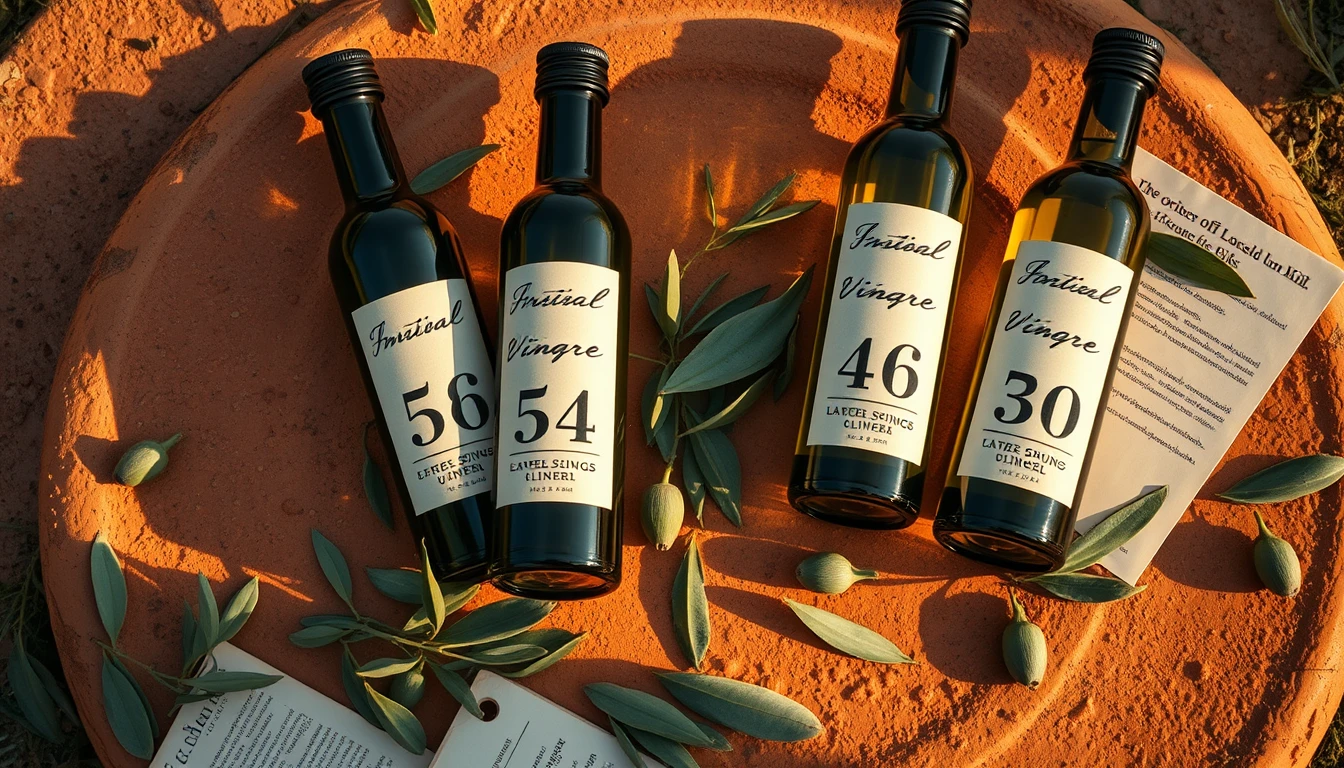
Scarcity only means something when it has a number attached. “Limited” without a figure can describe 500 bottles or 500,000. A declared run size turns a claim into a commitment: the producer states the ceiling in public and can be held to it.
Individual numbering goes one step further. When each unit carries its own mark, the run becomes auditable. You can see that number 47 exists, and that nothing beyond the declared total does. For a collector or a gift buyer, that is the difference between a story and a record.
Our own edition follows this logic. The Eleivas 2026 vintage consists of exactly 100 terracotta amphorae of 100 ml each, hand-engraved with Roman numerals from I to C. There is no second batch under a different name. When the hundredth amphora is allocated, the vintage is closed.
Our editorial position is simple: if a producer will not tell you how many units exist, treat the edition as unlimited until proven otherwise.
Verifiable Tuscan Provenance: Why “Tuscan” Alone Is Not Enough
Tuscany is a large region with very different microclimates, altitudes and soils. A bare “Tuscan” label tells you almost nothing about where the olives grew or who pressed them. It can also hide blends assembled far from the hills the name evokes. For a more rigorous look at what the word should imply, see what makes an extra virgin olive oil truly Tuscan.
What a verifiable origin looks like
A specific place name is the first marker. Val d’Orcia, the landscape around Pienza, has its own light, its own wind and its own olive-growing tradition. A named estate, a named harvest and a producer you can contact are the second and third markers. Together they form what is called a single-estate oil: olives from one property, pressed in one season. It is the most traceable category there is, and we explain it fully in what single estate olive oil means.
Provenance and the claims we refuse to make
Honest provenance also means restraint. We do not borrow certifications, cultivar claims or polyphenol figures that cannot be shown on paper. Talk of polyphenols, the bitter and pungent compounds such as hydroxytyrosol and oleocanthal that shape flavour and freshness, should be tied to a lab analysis, not to adjectives. And we make no medical claims about olive oil, ever. A limited edition that leans on health promises to justify its rarity is, in our view, a weaker product, not a stronger one.
Why an Opaque Terracotta Amphora Beats Clear Glass for a Limited Edition Oil
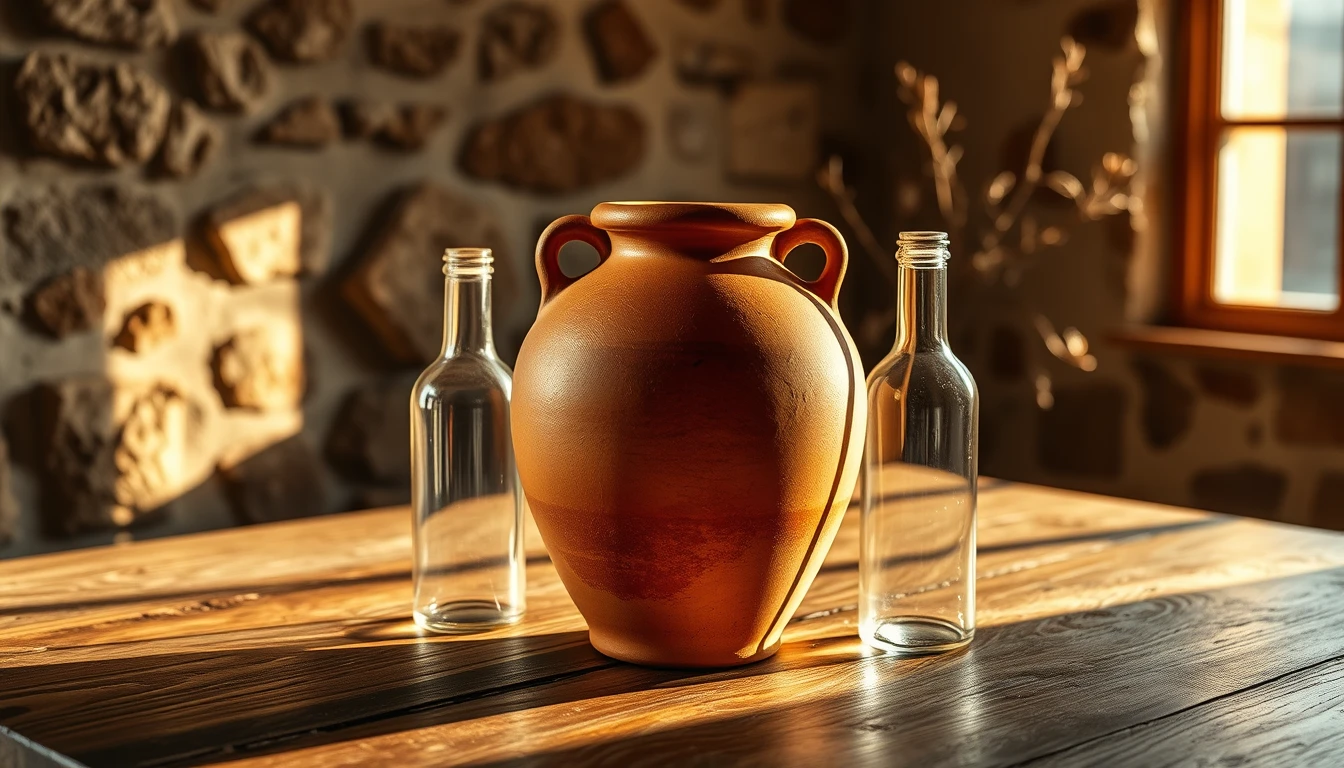
Light is one of the main enemies of extra virgin olive oil, alongside heat and oxygen. Exposure to light accelerates oxidation, which dulls the green, grassy aromas and the peppery finish that make a fine oil worth tasting. Much olive oil sits in clear glass under shop lighting for months before anyone opens it. By then, its character has already faded.
A limited edition that is photographed beautifully in clear glass has missed the point of being limited. If the edition exists to preserve something rare, the vessel must do the preserving.
Terracotta solves this directly. It is opaque, so no light reaches the oil. It also carries centuries of Mediterranean and Etruscan history: amphorae were how oil travelled and was stored long before glass was common. Each Eleivas amphora is closed with a wax seal, which adds a second, visible guarantee: the vessel has not been opened since it left the estate.
The wax seal also answers a practical question buyers often ask: is this meant to be used or only displayed? Both are possible. Unbroken, the amphora is a numbered object that can sit on a shelf. Once broken, it becomes what it was always meant to be: a tasting. Our preference is clear. Open it, and enjoy it for what it is.
Harvest Year and Freshness: How Long a Limited Edition Oil Stays at Its Best
Olive oil is not wine. It does not improve with age. Its aromatic peak is in the months after pressing, and a genuinely limited edition should state its harvest year plainly so you can judge freshness yourself. A vintage on the vessel is worth more than any adjective on the label.
Once opened, the clock moves faster. For the Eleivas 2026 vintage, we recommend enjoying the oil within 3 to 4 months of breaking the wax seal for maximum aromatic intensity. Store it away from the stove and direct sunlight, with the stopper closed, at a stable cool room temperature. For a deeper look at storage and timelines, read how long olive oil lasts.
Why 100 ml is a considered format
The format follows from freshness. A small vessel is meant to be finished while the oil is still vivid, rather than left half-full in a pantry for a year. A producer needs commonly between 5 and 10 kilograms of olives to make a single litre of extra virgin oil, depending on cultivar, ripeness and season, so even 100 ml represents a meaningful share of the harvest. It is a tasting format, designed for the moment rather than the pantry.
A short checklist before you buy any limited edition
- Is the total run declared as a number?
- Is each unit individually numbered or traceable?
- Does the label name a place, not just a region?
- Is the container opaque?
- Is the harvest year stated, with guidance on how long to enjoy it once opened?
If you can answer yes to all five, the edition is limited in substance. If you can answer yes to fewer than three, it is limited in wording only.
Frequently Asked Questions
What makes an olive oil truly limited edition?
A declared and fixed number of units from a single harvest, a verifiable place of origin, a light-proof container and a stated harvest year. Without all four, the term is a marketing phrase rather than a fact.
Is a limited edition olive oil meant to be used or collected?
Both are valid, but we favour using it. The sealed amphora works as a numbered object. Once opened, the oil is best enjoyed within 3 to 4 months for its fullest aroma.
How can I trust the origin of a small Tuscan producer?
Look for a named place such as Val d’Orcia, a stated harvest year, a producer who answers questions and a declared run size. Specific, checkable details are more reliable than broad claims.
Why is terracotta better than clear glass?
Terracotta is opaque and blocks light, which speeds up oxidation in olive oil. Clear glass offers no such protection, so the oil can lose aromatic character before it is ever opened.
How many Eleivas 2026 amphorae exist?
There are exactly 100, each holding 100 ml and hand-engraved with a Roman numeral from I to C. The run is closed once all 100 are allocated.
If you would like to hold one of the hundred, you can learn more about the Eleivas 2026 Limited Vintage and secure your allocation before the numbering is complete.