The Short Answer: A Grove You Can Name Is a Grove You Can Verify
A named grove matters more than the word “Tuscan” because it is checkable. “Tuscan” is an adjective anyone can print; a named grove ties the oil to a place, a harvest year and a mill, so you can ask questions and get answers. If a label cannot tell you where the olives grew and when they were pressed, the word “Tuscan” is decoration, not provenance.
Why “Tuscan” Alone Proves Very Little
On a supermarket shelf, “Tuscan” can describe a style, a bottling location, a blend, or a hope. It does not, by itself, tell you where a single olive was picked. The distinctions below are the ones that actually carry information, ranked from weakest to strongest.
- “Bottled in Italy” or “Product of the EU”: tells you where the oil was packed or which bloc it came from. It says nothing about the grove.
- “Tuscan” as a marketing adjective: a descriptor without a named estate, village or harvest year behind it. Treat it as a style, not a source.
- Toscano PGI (IGP): a protected geographical indication with a defined production area and a controlling body. A real guarantee of region, though it covers a broad territory and many producers.
- A named grove, village and harvest year: the most specific claim a producer can make, because it identifies one piece of land and one season. This is what single estate olive oil means in practice, and why it is the most verifiable kind.
Our position is simple: region is a starting point, not a verdict. Two oils can both say “Tuscan” and differ by two harvests, two altitudes and two very different standards of care. For the legal baseline behind the word, see what makes an extra virgin olive oil truly Tuscan.
What a Named Grove Actually Tells You
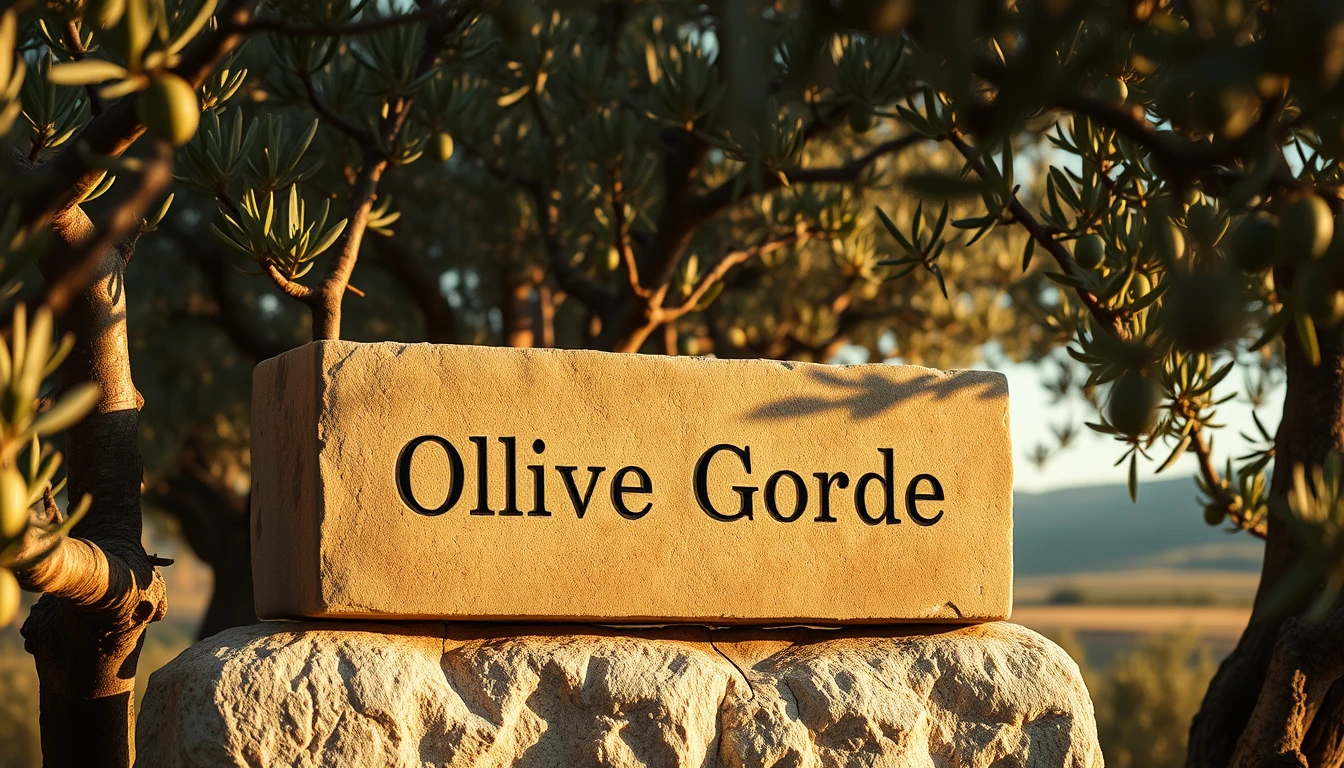
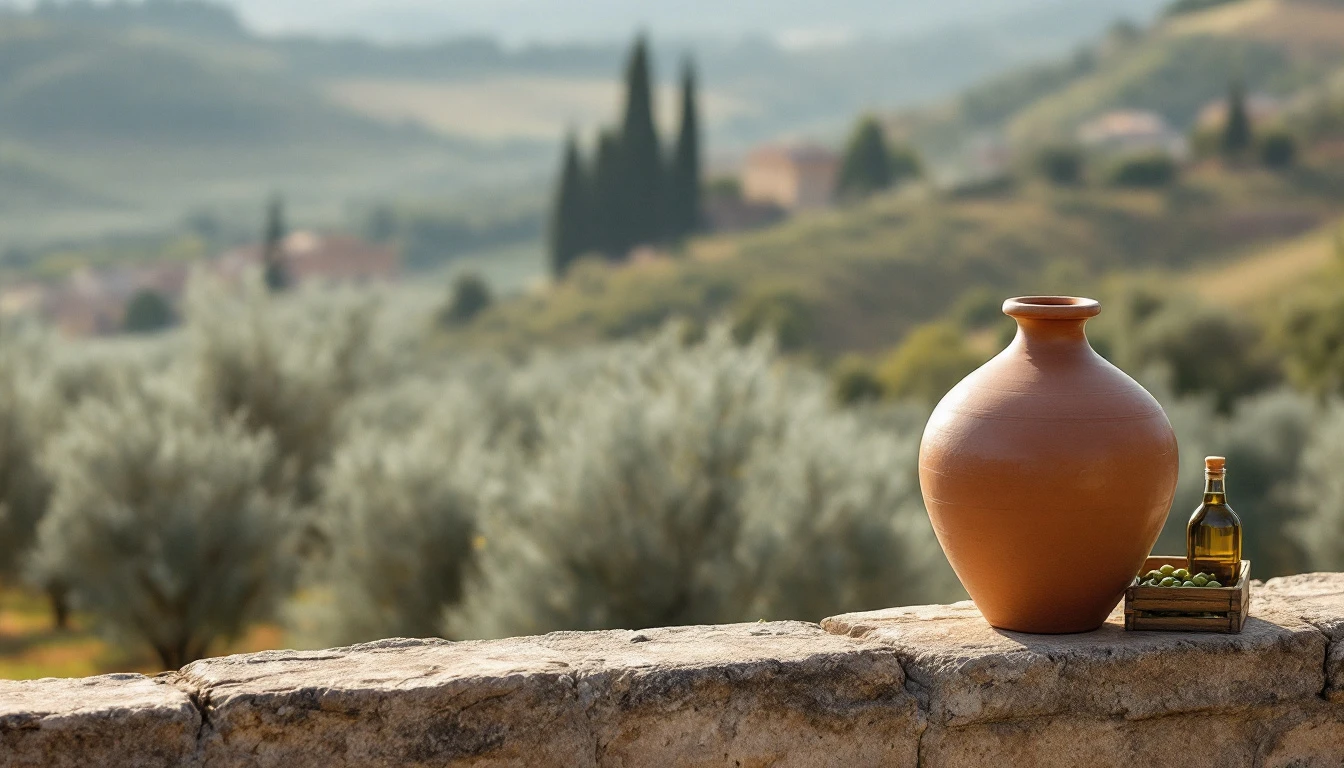
Place shapes olive oil in ways you can taste. Soil, altitude, exposure and the cultivars planted on a slope all leave a signature: green fruit, cut grass, artichoke, a clear bitter note and a pepper catch in the throat. In the Val d’Orcia, a UNESCO-inscribed valley south of Siena, groves climb clay-rich hills around Pienza. That landscape is a specific, describable origin, which is exactly the kind of detail “Tuscan” erases.
A named grove also forces accountability. When a producer puts a village and a year on the label, they accept that a buyer, a retailer or a competitor can question it. Anonymous oil carries no such risk, which is why it is so often sold on price alone.
The same logic runs through our complete guide to Tuscan extra virgin olive oil: trace the grove, the harvest year and the mill, and the rest of the quality questions become far easier to answer.
Four Checks to Verify Origin in Under Five Minutes
- Find a named place. Look for an estate, grove or village, not just a region. “Val d’Orcia, Pienza” is a place. “Tuscany” is a territory.
- Find a harvest year. Not just a best-before date, which reflects bottling and shelf-life rules. A stated harvest year, ideally within the last 12 to 18 months, shows the producer is willing to be dated.
- Find the mill and the lot. A traceable oil can say who pressed it and offers a lot or bottle number. A hand-numbered edition goes one step further: each vessel is individually accounted for.
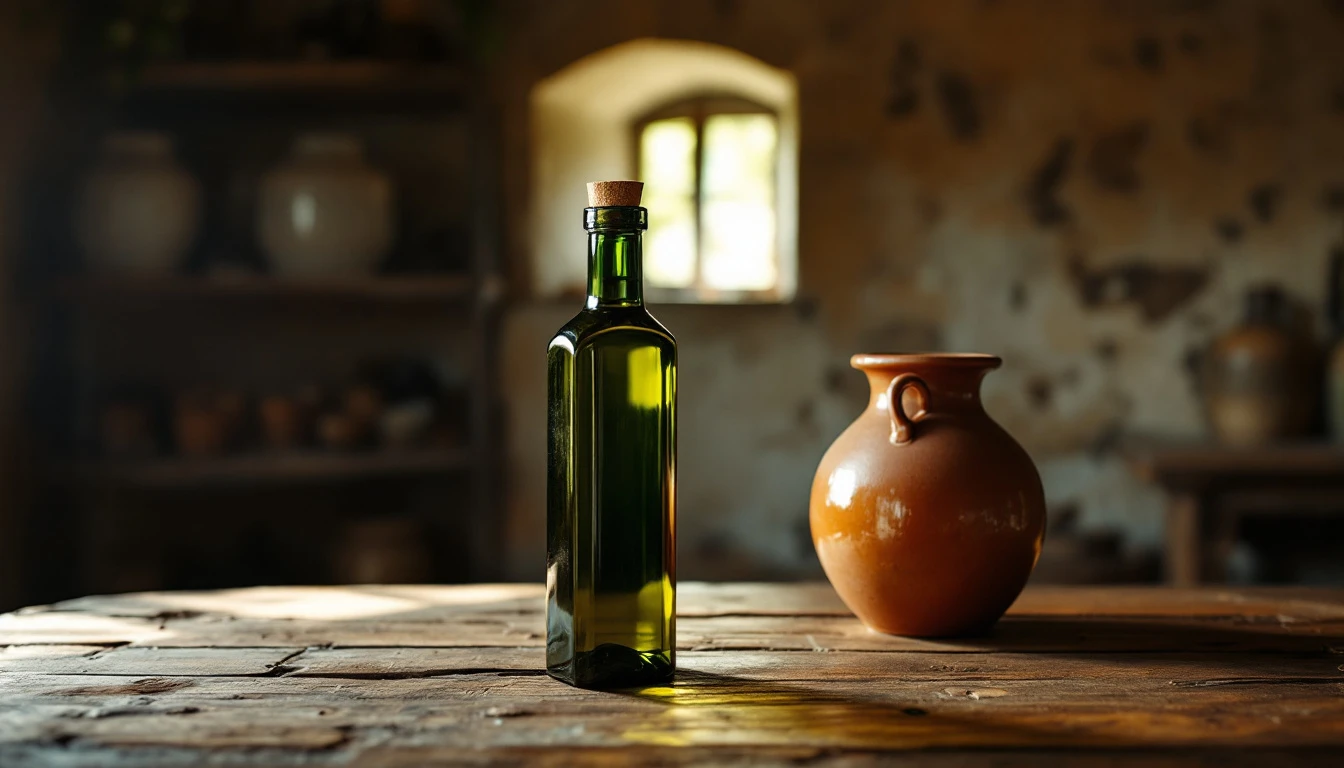
- Look at the packaging. Light degrades oil quickly. Clear glass on a bright shelf is a warning sign, however good the story on the label. Opaque or dark packaging shows the producer is protecting what you paid for.
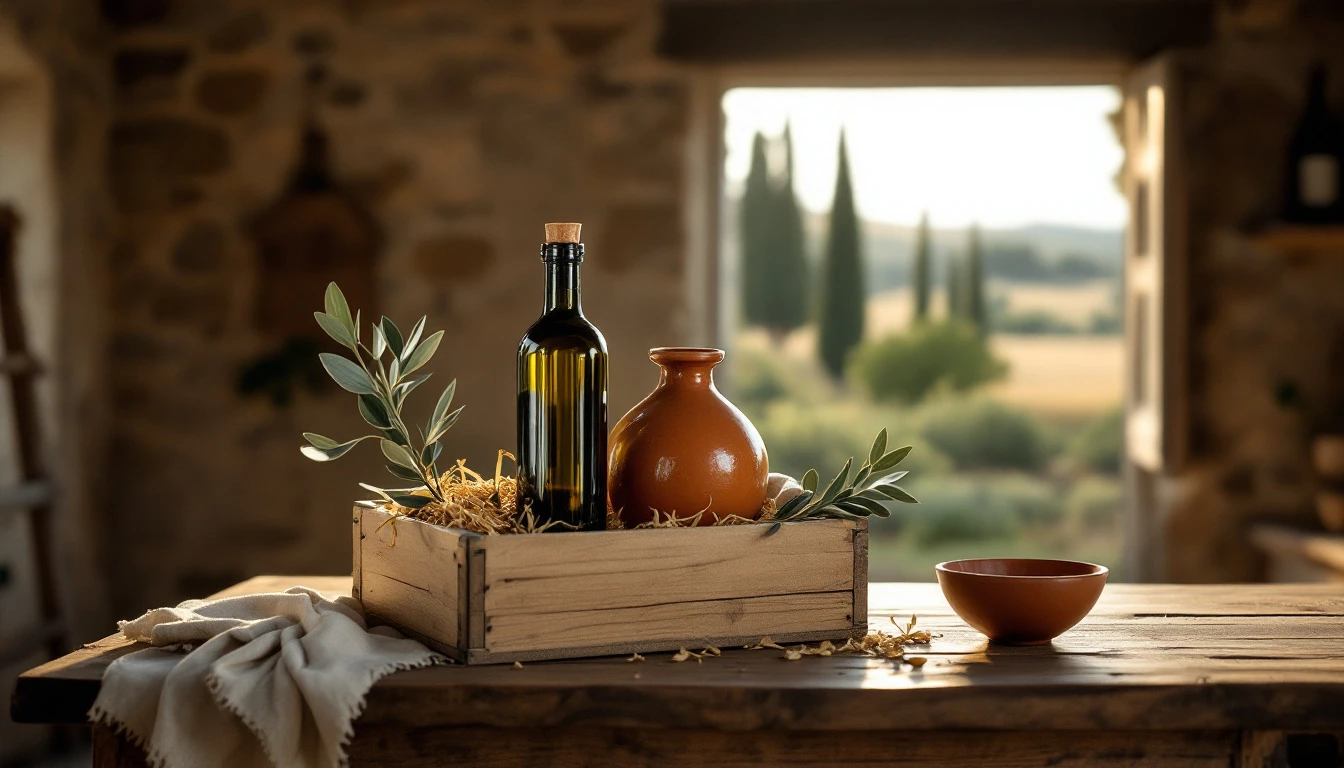
A concrete example. The Eleivas 2026 Limited Vintage is a run of exactly 100 terracotta amphorae of 100 ml, each hand-engraved with a Roman numeral from I to C and closed with a wax seal. Origin is the Val d’Orcia near Pienza, the vessel is opaque, and the numbering means no two buyers can hold the same bottle. Once the seal is broken, the oil is at its best within 3 to 4 months, when its aroma is most intense. That is traceability you can hold, not just read.
Common Mistakes When Judging Origin
- Trusting the flag or the landscape photo. Cypress-lined hills on a label are imagery, not evidence.
- Confusing bottling with growing. Oil can be bottled in Tuscany from olives grown and milled elsewhere. Only the grove and mill answer where the oil really comes from.
- Using price as a proxy. A high price does not prove origin, and a low price rarely coexists with careful, small-batch Tuscan production. Ask for the facts, not the figure.
- Believing health claims on faith. High polyphenol content is an interesting quality marker, but we reject unproven health promises. Judge the oil by traceability, freshness and flavor first.
- Ignoring freshness once you have verified origin. A perfect grove cannot rescue oil that has sat in light for two years. Origin and freshness must both be present.
If you are choosing for a recipient who will care about the story, a traceable, numbered oil makes a more convincing gift than a generic set. If you would like to explore that angle, our guide to what makes a limited edition olive oil genuinely limited is a natural next step. And if a numbered vessel from a named Val d’Orcia grove is what you are looking for, you can secure your allocation of the 2026 Limited Vintage while numbers remain.